


No products in the cart.
- Latest
- Trending

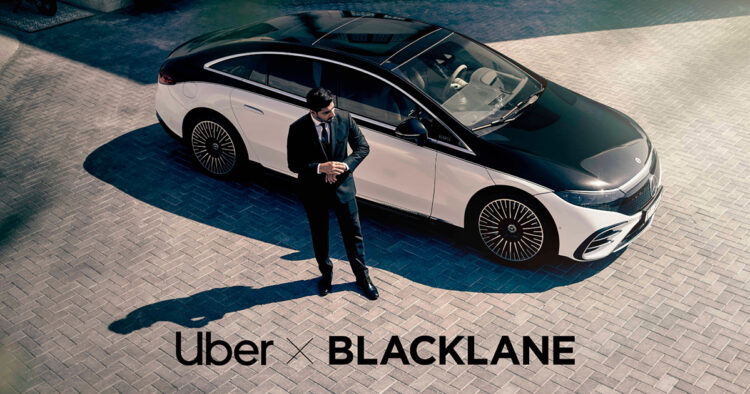
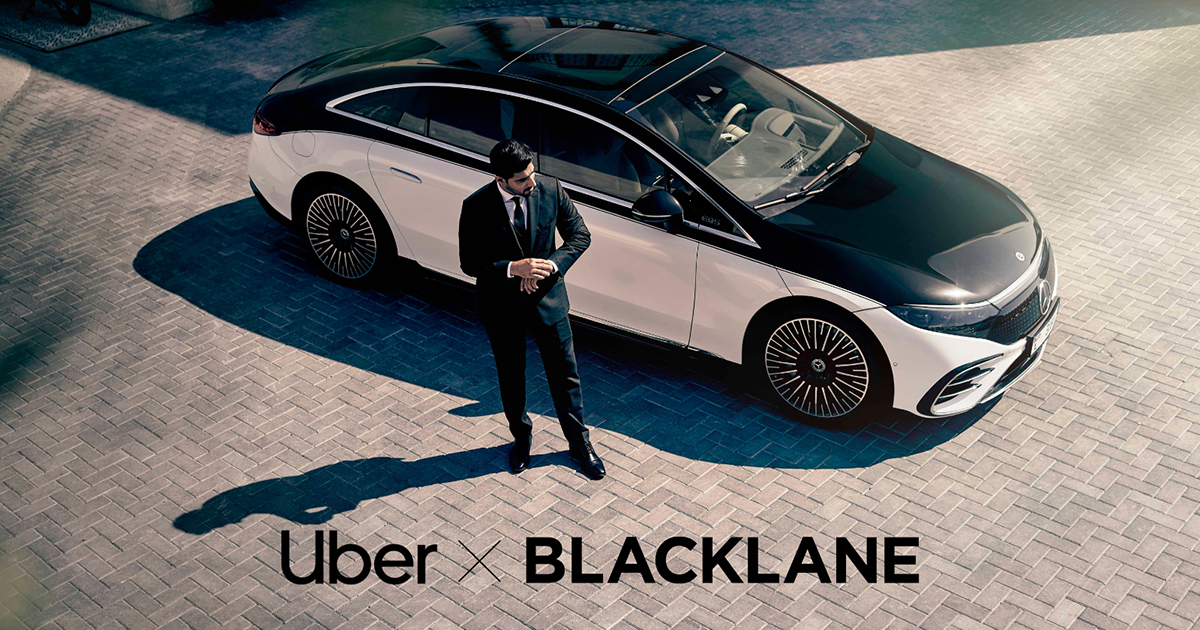
Uber Buys Chauffeur Booking App Blacklane
Comprehensive Summarization:
Uber Technologies Inc. has entered into an agreement to acquire Blacklane, a chauffeur booking app, marking its latest strategic move to attract high-end clientele. This acquisition is part of Uber’s broader strategy to expand its offerings to business executives and wealthy consumers, a segment that is rapidly growing within the ride-hailing market. The deal is anticipated to be finalized by the end of 2026, with financial terms remaining undisclosed. The acquisition comes amid increasing competition in the luxury segment of the ride-hailing industry, where companies are continually innovating to cater to high-net-worth individuals and business elites. Recent developments include Uber’s introduction of Uber Elite, a new chauffeur ride option, and Wheely’s expansion into the U.S. market, specifically targeting business elites in New York City. These moves underscore the evolving landscape of travel tech, where luxury and personalized services are becoming increasingly important.
Key Points:
Actionable Takeaways:
Strategic Expansion for Luxury Market: Companies in the ride-hailing sector should consider expanding their services to cater to high-end clientele, as evidenced by Uber’s acquisition of Blacklane. This move not only diversifies revenue streams but also positions the company as a leader in luxury travel solutions.
Innovation in Luxury Services: The introduction of Uber Elite by Uber highlights the importance of innovation in luxury services. Travel tech companies should invest in developing exclusive services, such as premium chauffeur options, to meet the growing demand from business elites and wealthy consumers.
Market Competition and Differentiation: The increasing competition in the luxury segment of the ride-hailing market necessitates differentiation strategies. Companies should focus on unique value propositions, such as personalized services, exclusive partnerships, and high-quality customer experiences, to stand out in a crowded market.
Contextual Insights:
The acquisition of Blacklane by Uber reflects a broader trend in the travel industry towards luxuryization and personalization. As consumer preferences shift towards premium experiences, companies are leveraging technology to offer tailored services that cater to the specific needs of high-net-worth individuals and business executives. This shift is supported by the growing demand for chauffeur services, as highlighted by Uber’s introduction of Uber Elite. Moreover, Wheely’s expansion into the U.S. market underscores the global reach and potential of luxury travel startups. These developments suggest that the future of the travel industry lies in offering sophisticated, high-quality services that prioritize customer experience and exclusivity. For startups and established players alike, investing in luxury-focused innovations could be a key differentiator in a market increasingly driven by consumer expectations for personalized and premium travel solutions.
Read the Complete Article.
Get curated travel AI insights — choose the newsletters that matter to you.
ALTOUR Expands into Thailand, Strengthening Corporate Travel Network Across Southeast Asia BANGKOK, THAILAND (25 March, 2026) – ALTOUR, a leading...
Read moreDetails


Comprehensive Summarization: Uber Technologies Inc. has entered into an agreement to acquire Blacklane, a chauffeur booking app, marking its latest...
Read moreDetails