













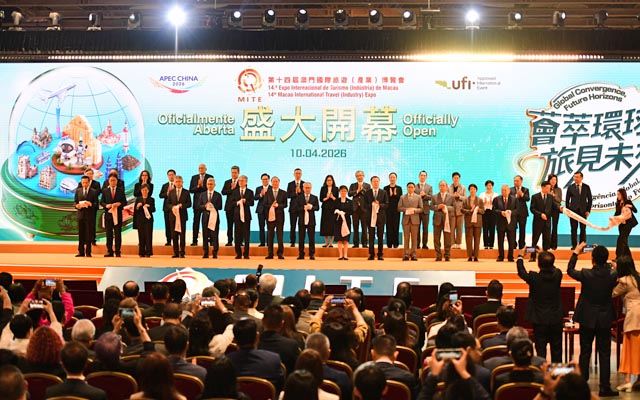








Travel Capitalist Ventures Expands Check Size to $10 Million to Deepen Emerging Market Conviction
Boutique Travel VC raises investment cap from $1.5M to $10M to lead rounds and support portfolio companies through growth Travel...
Read moreDetails

Phocuswright analysts share their predictions for 2026
Article Summary:
The article discusses the predictions of Phocuswright analysts for the travel industry in 2026. The focus is on the integration of AI into every stage of travel, which paradoxically sharpens the focus on the human element. Other key developments include the continued emphasis on experiences and personalization, changes in pricing and ground transportation, and the role of biometrics. The article also highlights the thoughts of Fabián González, a market analyst from Spain, on these trends.
Key Points:
Actionable Takeaways:
Contextual Insights:
The predictions made by Phocuswright analysts align with the ongoing trend of technological advancement in the travel industry. The integration of AI is not just a technological evolution but a shift towards enhancing the human-centric aspects of travel. This shift is crucial as it ensures that technological advancements do not overshadow the personal and emotional aspects of travel that customers value. Furthermore, the focus on personalization and experiences reflects a broader industry trend towards creating memorable and unique travel experiences. As biometrics become more prevalent, they offer opportunities for enhanced security and convenience, which could be particularly appealing in the post-pandemic travel landscape. Overall, these insights underscore the importance of balancing technological innovation with the human element to create a successful and sustainable travel industry in 2026.
Read the Complete Article.
Boutique Travel VC raises investment cap from $1.5M to $10M to lead rounds and support portfolio companies through growth Travel...
Read moreDetails



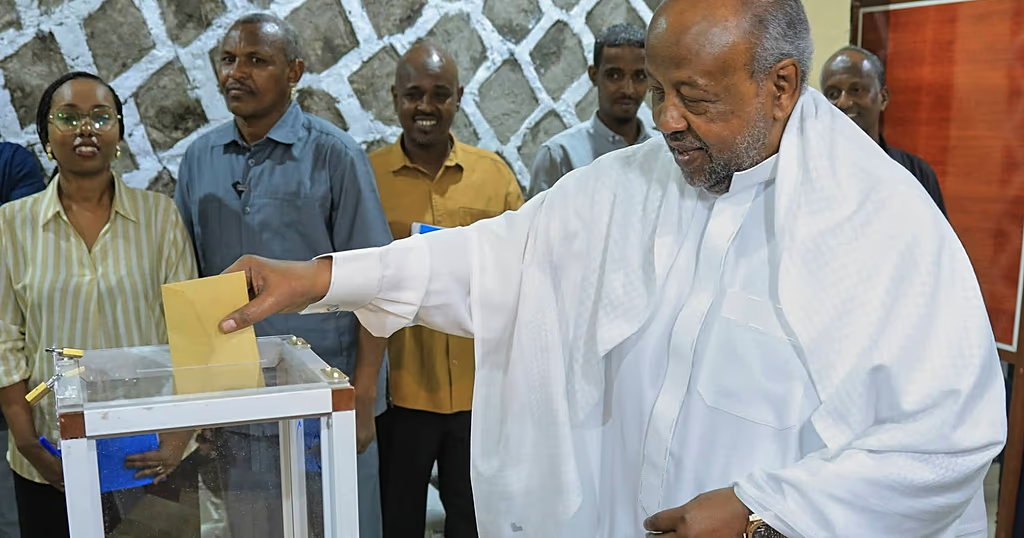
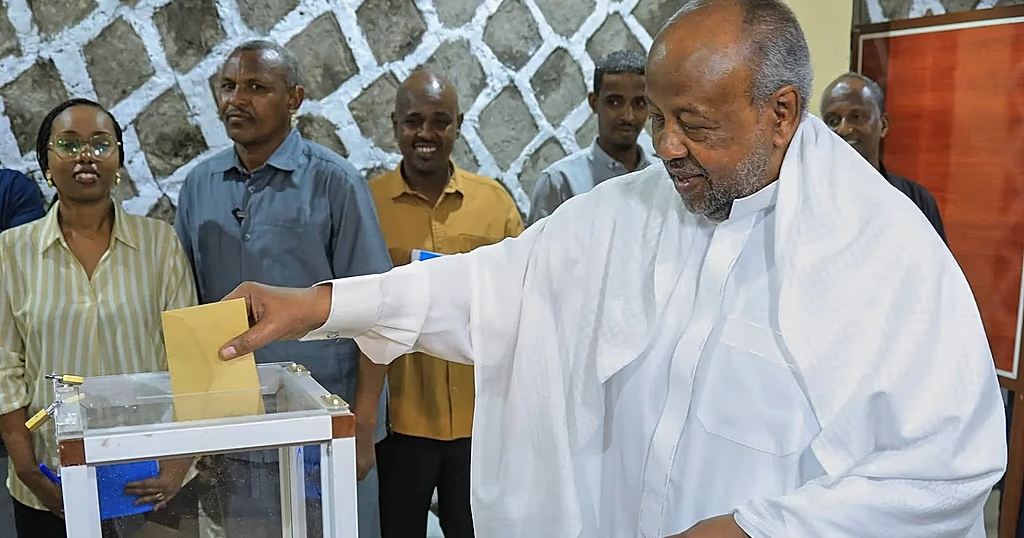
Comprehensive Summarization: The article reports on Djibouti's presidential election, where incumbent President Ismail Omar Guelleh is expected to secure a...
Read moreDetails
