






No products in the cart.
- Latest
- Trending


Travel Hospitality Technology 2026: AI Reshapes Global Tourism
Comprehensive Summarization:
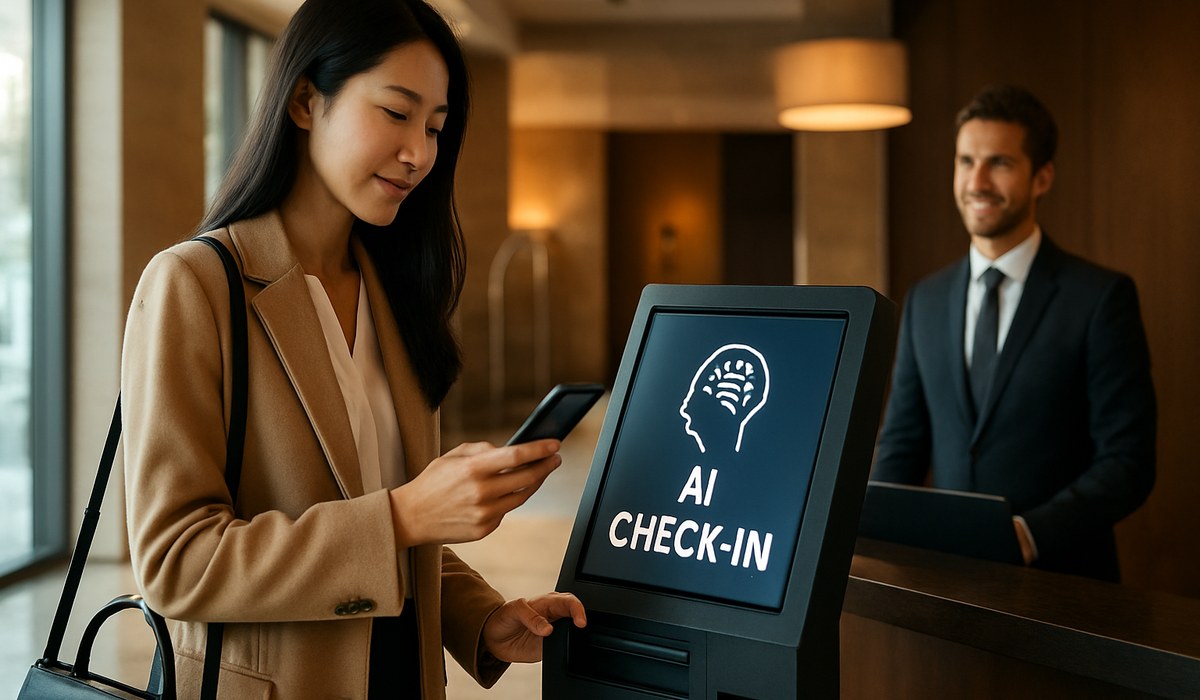
The article discusses the transformative impact of AI-powered platforms on the global travel industry by 2026. Major travel hospitality technology platforms have integrated advanced artificial intelligence systems that redefine how travelers plan, book, and experience journeys. Machine learning algorithms now predict traveler preferences with high accuracy, enabling hotels, airlines, and tour operators to deliver hyper-personalized recommendations even before guests complete their searches. This technological leap extends beyond simple booking interfaces, incorporating real-time language processing, dynamic pricing optimization, and other innovations. The article highlights the shift toward intelligent automation as a defining feature of the tourism industry in 2026, emphasizing the move towards more personalized, efficient, and seamless travel experiences.
Key Points:
Actionable Takeaways:
Adopt AI-driven Personalization: Travel companies should invest in AI-driven personalization tools to enhance customer experiences by predicting and meeting individual traveler preferences. This aligns with the article’s emphasis on hyper-personalized recommendations, potentially increasing customer satisfaction and loyalty.
Implement Dynamic Pricing Strategies: Utilize dynamic pricing optimization powered by AI to adjust prices in real-time based on demand, competition, and other factors. This strategy can maximize revenue and improve operational efficiency, as highlighted in the article’s discussion of technological advancements in the travel industry.
Invest in Real-time Language Processing: Incorporate real-time language processing capabilities to improve communication and customer service across different languages. This aligns with the article’s mention of integrating real-time language processing, which can enhance the travel experience for international travelers and broaden market reach.
Contextual Insights:
The article reflects the ongoing trend of technological innovation in the travel industry, with AI playing a pivotal role in reshaping customer interactions and operational efficiencies. The shift towards intelligent automation signifies a broader industry movement towards more personalized, efficient, and seamless travel experiences. This context is crucial for understanding the strategic importance of AI in travel hospitality technology. As the industry continues to evolve, companies that leverage AI for personalized recommendations, dynamic pricing, and real-time language processing are likely to gain a competitive edge. The article also underscores the importance of staying abreast of technological advancements to remain relevant in a rapidly changing market landscape.
Read the Complete Article.
Get curated travel AI insights — choose the newsletters that matter to you.
This spot is reserved for brands with a compelling story for the travel trade. They use this space to cut...
Read moreDetailsALTOUR Expands into Thailand, Strengthening Corporate Travel Network Across Southeast Asia BANGKOK, THAILAND (25 March, 2026) – ALTOUR, a leading...
Read moreDetails


AI-Powered Travel: 2026's Tech Revolution for Personalized Journeys
Read moreDetails