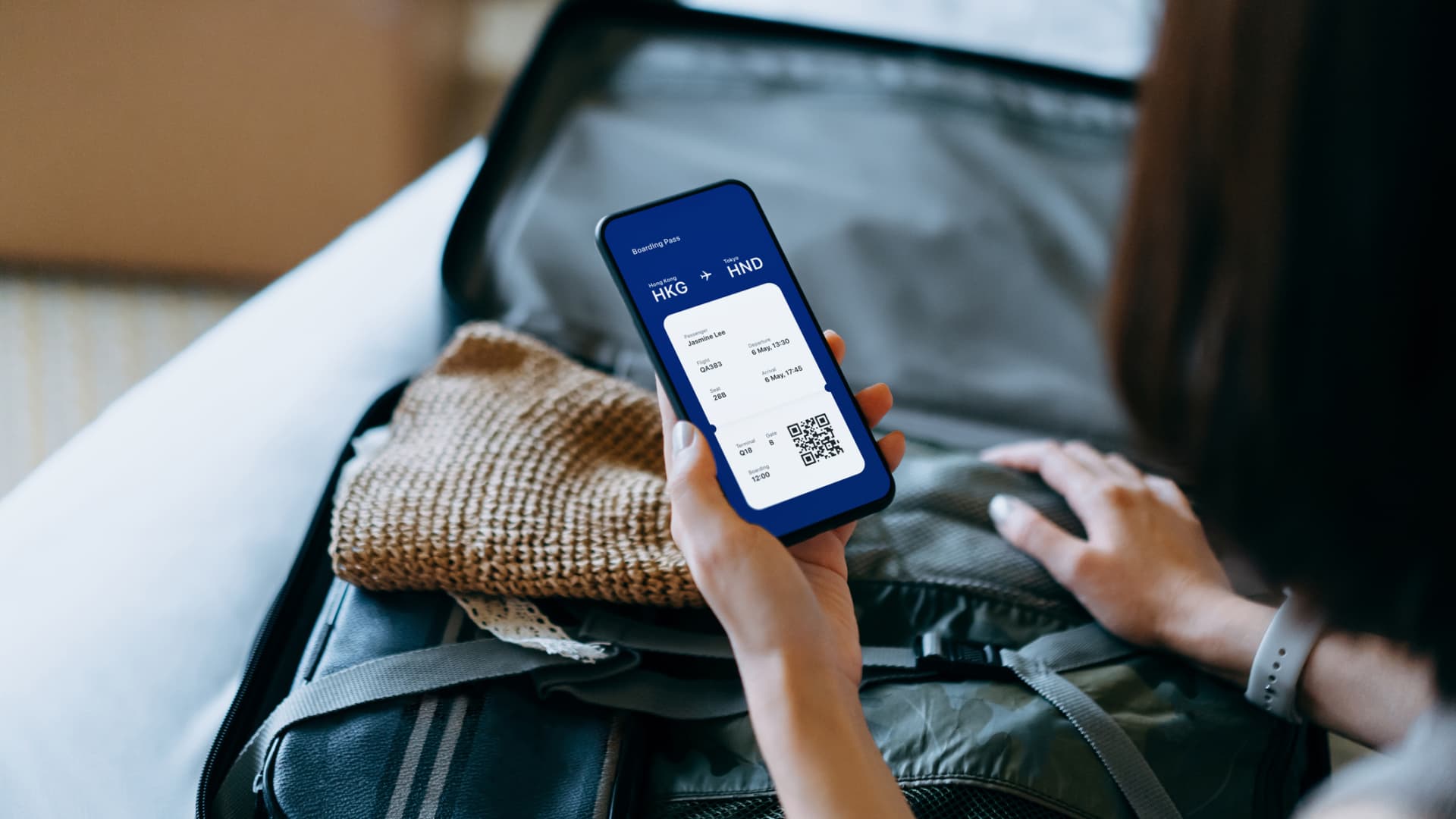
The article discusses the growing reliance of global travelers on artificial intelligence (AI) for trip planning, with 91% of surveyed users utilizing AI travel planners. According to a survey by travel platform Klook, this trend is driven by the desire for personalized trip planning and the search for the best deals. The appeal of AI is partly attributed to the “do it yourself” culture, where users enjoy the sense of ownership and pride in creating their travel plans. However, trust remains a concern, indicating that while AI is widely adopted, there are still reservations about its reliability and accuracy in travel planning.
Key Points:
High Adoption Rate of AI Travel Planners: Approximately 91% of global travelers use AI for trip planning, as revealed by a Klook survey of 11,000 users.
Reasons for AI Adoption: Travelers use AI for both determining their trip goals and finding suitable deals, highlighting the versatility of AI in enhancing the travel planning experience.
Cultural Influence: The trend reflects a broader “do it yourself” culture, where users take pride in building their travel plans independently.
Trust Concerns: Despite the widespread use of AI, trust in these technologies remains a significant issue, suggesting a need for increased reliability and transparency in AI-driven travel planning.
Actionable Takeaways:
Embrace AI for Personalized Travel Planning: Travel agencies and service providers should integrate AI tools to offer personalized trip planning experiences. This aligns with the growing preference of travelers for AI assistance in crafting their itineraries, potentially increasing customer satisfaction and loyalty.
Address Trust Issues in AI Travel Planning: To boost adoption rates, it is crucial for AI travel planners to enhance transparency and reliability. Implementing robust verification mechanisms and providing clear explanations of how AI recommendations are generated can help build trust among users, encouraging wider acceptance of AI in travel planning.
Leverage AI for Cost Optimization:AI’s ability to find the best deals for travelers presents an opportunity for travel agencies to optimize revenue through data-driven pricing strategies. By leveraging AI algorithms to analyze market trends and user preferences, agencies can offer competitive pricing and personalized discounts, enhancing their value proposition in a competitive market.
Contextual Insights:
The article underscores the increasing integration of AI in the travel industry, reflecting broader trends in automation and personalization across various sectors. As AI continues to evolve, its role in travel planning is likely to expand, offering more sophisticated and user-centric solutions. This shift aligns with the “do it yourself” culture, where travelers seek control and personalization in their travel experiences. Moreover, the trust concerns highlighted in the article suggest that the industry must prioritize transparency and reliability to fully capitalize on AI’s potential. As travel startups and fintech companies innovate in this space, they must address these trust issues to ensure sustainable growth and adoption. The insights from thought leaders emphasize the need for a balanced approach, combining technological advancements with user-centric design to meet the evolving expectations of global travelers.