



















Travel Capitalist Ventures Expands Check Size to $10 Million to Deepen Emerging Market Conviction
Boutique Travel VC raises investment cap from $1.5M to $10M to lead rounds and support portfolio companies through growth Travel...
Read moreDetails

Indonesia is stepping onto the global stage as a prime destination for digital nomads with the introduction of a new, long-term visa. This initiative, spearheaded by the Ministry of Tourism and Creative Economy, aims to attract remote workers and foster economic growth by positioning Indonesia as a hub for the digital economy. The "second home" visa, as it’s sometimes referred to, is designed to offer a more substantial period of stay compared to traditional tourist visas, allowing individuals to truly immerse themselves in the Indonesian lifestyle while contributing to the local economy.
The allure of Indonesia for digital nomads is multifaceted. Beyond the idyllic beaches and vibrant culture, the country offers a growing digital infrastructure and a cost of living that is attractive to those working remotely. This new visa signals a strategic move by the Indonesian government to tap into the burgeoning global remote workforce, recognizing the potential for these individuals to inject foreign currency and stimulate various sectors, including hospitality, co-working spaces, and local businesses.
The program aims to simplify the process for eligible individuals, making it easier for them to establish themselves in Indonesia for extended periods. This includes professionals in fields like technology, marketing, creative arts, and education, who can now legally work remotely from the archipelago. The visa is expected to attract a diverse range of talent, further enriching Indonesia’s cultural tapestry and fostering knowledge exchange.
For digital nomads, this visa represents an opportunity to experience the rich heritage and natural beauty of Indonesia without the constant pressure of visa renewals. It encourages a deeper engagement with local communities, promoting a more sustainable and authentic travel experience. The government’s proactive approach in creating such a visa highlights a forward-thinking strategy to adapt to the evolving nature of work and travel in the post-pandemic era. As more countries explore similar initiatives, Indonesia’s early adoption positions it as a leader in welcoming the global remote workforce.
Read the Complete Article.
Boutique Travel VC raises investment cap from $1.5M to $10M to lead rounds and support portfolio companies through growth Travel...
Read moreDetails



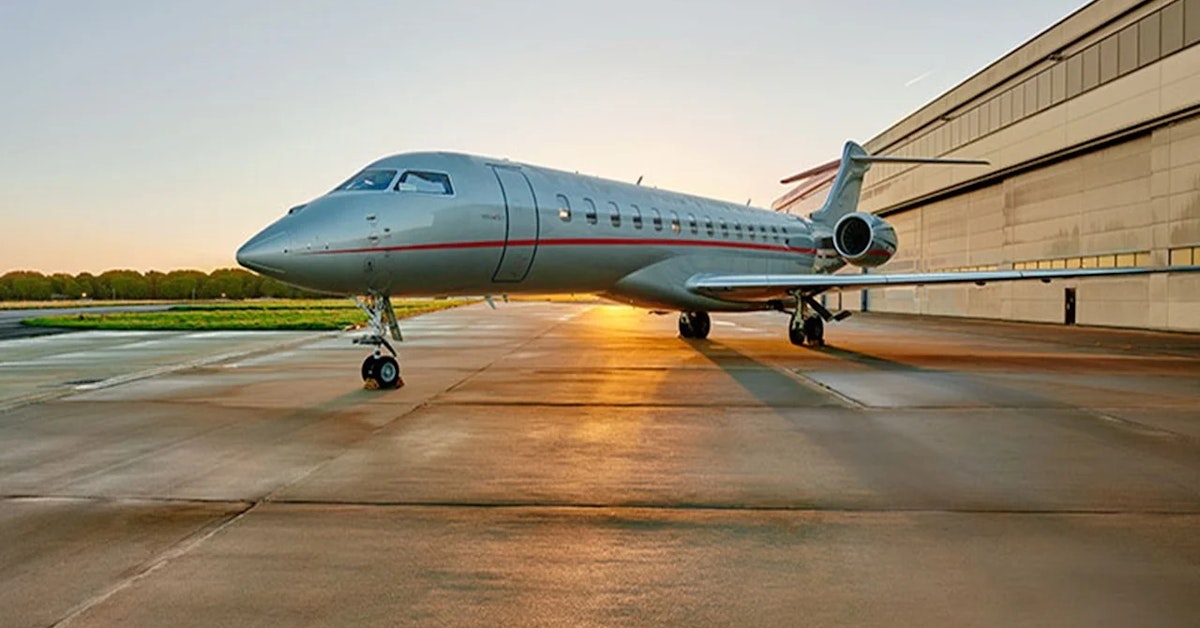
Comprehensive Summarization: VistaJet and XO, parent company Vista Global, are reportedly considering an IPO, according to financial website 9fin. The...
Read moreDetails
