Article Summary:
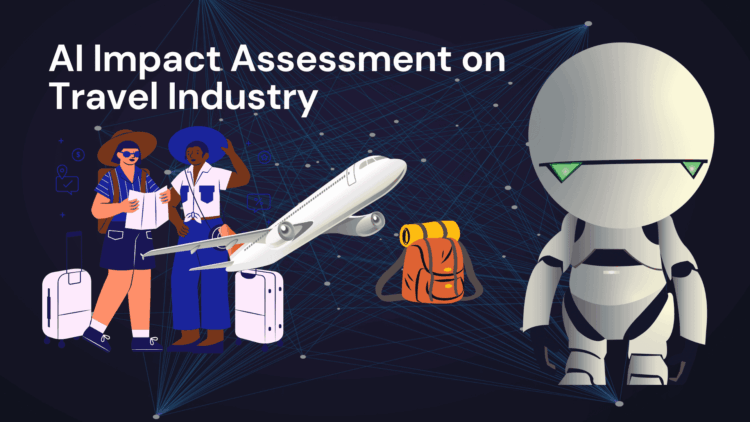
The global AI in travel market is experiencing rapid transformation, with a projected market value of USD 2,903.7 Billion by 2033, up from USD 131.7 Billion in 2023. This growth is driven by the increasing adoption of AI for trip planning, customer service, dynamic pricing, and operational efficiency across airlines, hotels, and mobility platforms. The steady integration of intelligent systems has strengthened traveler engagement through real-time recommendations and seamless booking experiences.
Key Points:
- The AI in travel market is projected to reach USD 2,903.7 Billion by 2033, growing at a CAGR of 36.25% from 2023 to 2033.
- AI adoption is being driven across various sectors of the travel industry, including trip planning, customer service, dynamic pricing, and operational efficiency.
- AI technologies are enhancing traveler engagement through real-time recommendations and seamless booking experiences.
Actionable Takeaways:
-
Investment in AI Technologies: Travel companies should invest in AI technologies to enhance customer engagement and operational efficiency. This includes implementing AI-driven tools for personalized recommendations, dynamic pricing, and improved customer service.
- Relevance and Impact: As the AI in travel market is expected to grow significantly, early adoption of AI technologies can provide a competitive advantage by improving customer satisfaction and operational efficiency.
-
Focus on Real-Time Personalization: Travel companies should prioritize the development of real-time personalization features, such as AI-driven recommendations and seamless booking experiences.
- Relevance and Impact: Real-time personalization can significantly enhance traveler engagement and satisfaction, which is crucial given the projected market growth. This focus aligns with current industry trends towards more automated, personalized, and data-driven services.
Contextual Insights:
The rapid growth of the AI in travel market is indicative of a broader trend towards automation and personalization in the travel industry. Recent advancements in AI technologies, such as machine learning and natural language processing, have enabled more sophisticated applications in trip planning, customer service, and operational efficiency. Thought leaders in the travel sector emphasize the importance of leveraging AI to stay competitive in a rapidly evolving market. The integration of AI is not only enhancing the traveler experience but also driving innovation in travel tech, startups, and fintech solutions. As the market continues to expand, travel companies that effectively harness AI technologies are likely to gain a significant edge in meeting the evolving expectations of modern travelers.
Read the Complete Article.