











No products in the cart.
- Latest
- Trending


Comprehensive Summarization:
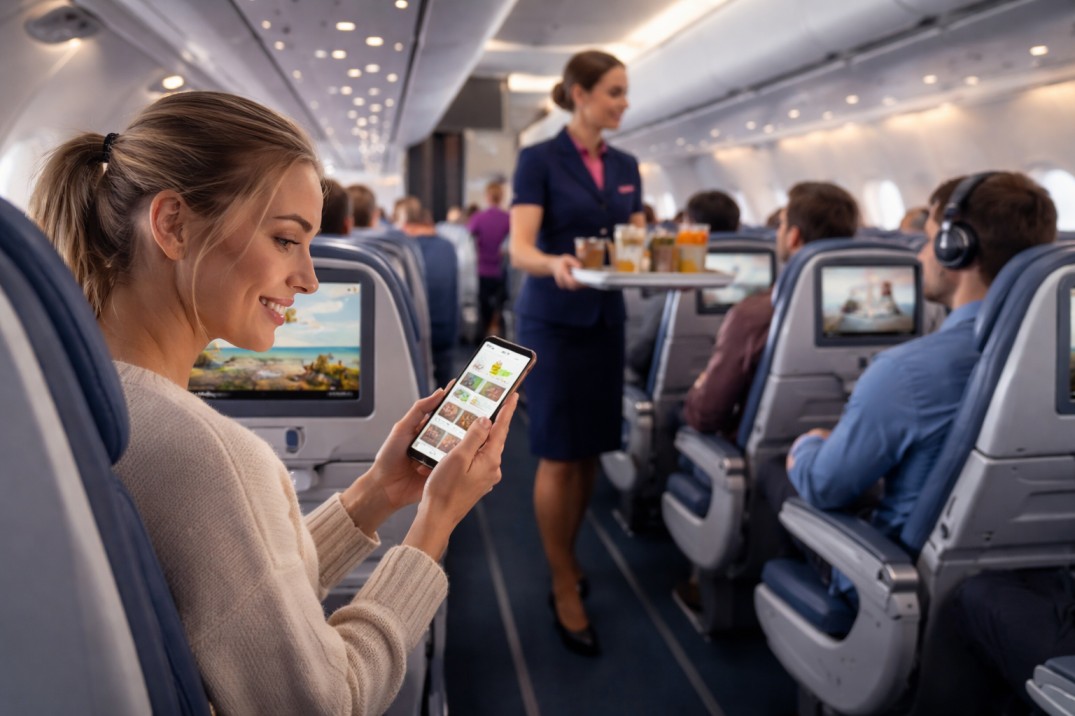
The article from Phocuswright reveals a significant shift in the travel industry, with more than half of American leisure travelers adopting artificial intelligence (AI) for their trips in 2026. This rapid adoption marks the fastest behavioral change in the travel sector in over a decade. The research indicates that travelers are no longer experimenting with AI but have integrated it into their journey planning process, fundamentally reshaping how trips are organized, executed, and optimized. This trend underscores the growing importance of AI in travel technology, signaling a pivotal moment in the industry’s technological evolution.
Key Points:
Actionable Takeaways:
Contextual Insights:
The rapid adoption of AI in leisure travel planning reflects broader trends in technology-driven consumer behavior, where convenience and personalization are paramount. This shift aligns with the increasing reliance on digital solutions across industries, emphasizing the need for travel companies to leverage AI to meet evolving customer expectations. As AI continues to reshape the travel landscape, startups and established players alike must innovate and adapt to harness the full potential of AI technologies. This transformation not only enhances the travel experience but also opens new avenues for innovation in travel tech, fintech, and related sectors, promising a future where AI plays an even more integral role in shaping the travel industry.
Read the Complete Article.
Get curated travel AI insights — choose the newsletters that matter to you.
This spot is reserved for brands with a compelling story for the travel trade. They use this space to cut...
Read moreDetailsALTOUR Expands into Thailand, Strengthening Corporate Travel Network Across Southeast Asia BANGKOK, THAILAND (25 March, 2026) – ALTOUR, a leading...
Read moreDetails


Comprehensive Summarization: The article from Phocuswright reveals a significant shift in the travel industry, with more than half of American...
Read moreDetails