Article Summary:
The article discusses a significant shift in holiday travel planning among U.S. consumers, with a growing reliance on AI-driven tools for itinerary management. According to a recent Adobe study, nearly 30% of travelers are now using generative AI for trip planning, marking a dramatic increase from previous years. This trend is further supported by a Matador Network survey, which found that 30% of travelers plan to use AI to assist with their holiday travel this year. The article highlights the convenience and efficiency AI offers in managing complex travel itineraries, but also warns of potential pitfalls in relying solely on algorithms for holiday planning.
Key Points:
- Nearly 30% of U.S. travelers are using generative AI tools to plan their holiday trips, according to a recent Adobe study.
- There has been a staggering 3,500% spike in AI-driven traffic to travel sites over the past year, indicating a rapid adoption of AI in travel planning.
- A Matador Network survey of over 1,000 travelers revealed that 30% are likely to use AI to plan or assist with their holiday travel this year.
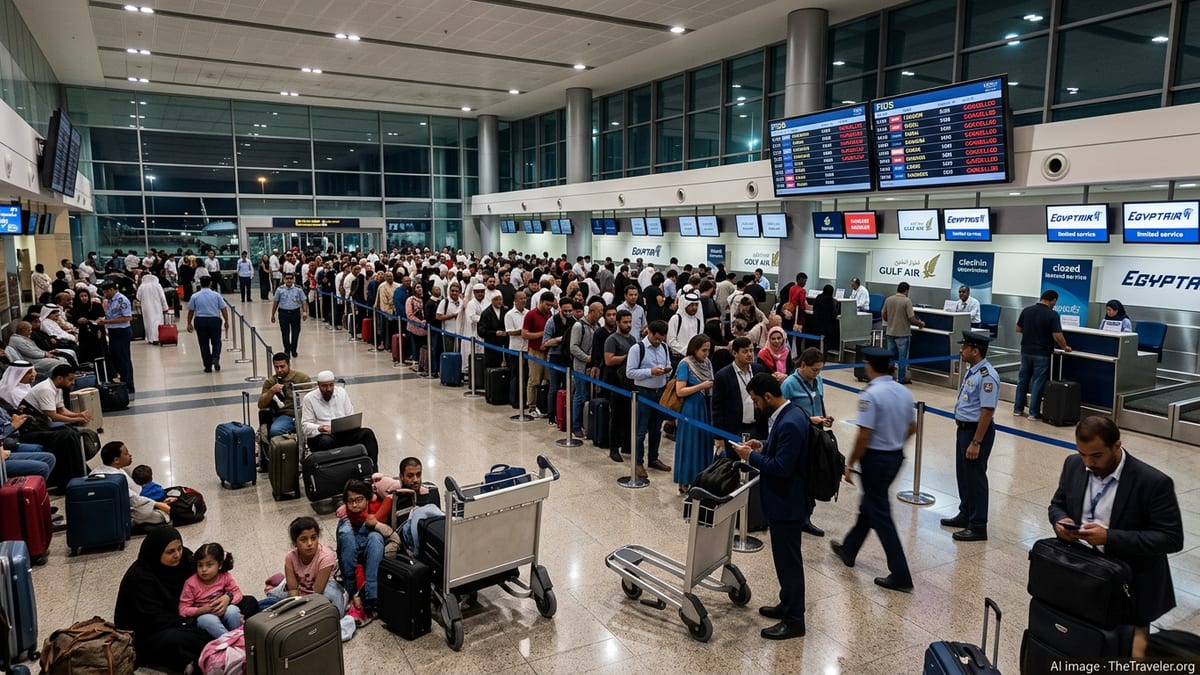
- The article warns that while AI can streamline travel planning, it may also lead to travel disruptions if not managed carefully.
Actionable Takeaways:
- Adopt AI Tools for Efficient Planning: Travel agencies and consumers should consider integrating AI-driven tools into their holiday planning processes to streamline itinerary management and reduce planning time. This aligns with the growing trend of AI adoption in travel tech, as highlighted by the Adobe study and Matador Network survey.
- Monitor AI-Driven Traffic Trends: Travel startups and fintech companies should monitor the surge in AI-driven traffic to travel sites, as it presents an opportunity to enhance digital platforms and services. This trend could drive innovation in AI-powered travel solutions, potentially leading to new business models and revenue streams.
- Implement Robust AI Management Systems: To mitigate potential travel disruptions caused by over-reliance on AI, travel companies should develop robust management systems that allow for human oversight and intervention. This ensures that AI tools complement rather than replace human judgment in complex travel planning scenarios.
Contextual Insights:
The rise of AI in holiday travel planning reflects broader industry trends towards automation and digital transformation. As consumers increasingly seek convenience and efficiency, travel companies must adapt by leveraging AI technologies to enhance user experiences. The Adobe study and Matador Network survey underscore the growing acceptance of AI in travel, suggesting that this trend is here to stay. For travel startups and fintech innovators, this presents a significant opportunity to develop AI-driven solutions that can meet the evolving needs of modern travelers. However, it is crucial to balance the benefits of AI with the potential risks, such as the need for human oversight to prevent travel disruptions. By integrating AI responsibly, the travel industry can continue to thrive in an increasingly digital landscape.
Read the Complete Article.