The article discusses the imminent shift in the hospitality, dining, and travel industries by 2026, where intelligent agents will mediate all aspects of guest interaction, from discovery to booking and service. These agents will not only search for options but also evaluate them based on guest preferences to find the best value and most appropriate offerings. This evolution fundamentally alters how guests discover and interact with hospitality and travel brands, potentially reducing the need for direct brand interaction. The article emphasizes the transition from traditional channels to intelligent agents as the new front door to travel and hospitality, highlighting the transformative impact of this shift on the industry.
Key Points:
By 2026, intelligent agents will mediate all aspects of guest interaction in the hospitality, dining, and travel sectors, from discovery to booking and service.
These agents will evaluate options based on guest preferences to find the best value and most appropriate offerings.
The shift towards intelligent agents fundamentally changes how guests discover and interact with hospitality and travel brands, potentially reducing the need for direct brand interaction.
The transition from channels to agents represents a significant evolution in the travel and hospitality industry, altering guest interaction dynamics.
Actionable Takeaways:
Adoption of Intelligent Agents: Travel and hospitality brands should start integrating intelligent agents into their platforms to enhance guest experience by providing personalized recommendations, evaluations, and real-time bookings. This shift will require investment in AI and machine learning technologies to ensure agents can effectively understand and apply guest preferences.
Focus on Personalization: With agents capable of evaluating options based on guest preferences, brands should prioritize personalization in their offerings. This includes leveraging data analytics to understand guest behavior and preferences, enabling agents to offer tailored experiences that meet individual needs and expectations.
Reduction in Direct Brand Interaction: As intelligent agents handle a broader range of guest interactions, brands may see a decrease in direct brand interactions. Companies should prepare for this transition by focusing on building robust, self-service platforms that can handle a wide range of guest inquiries and transactions autonomously.
Contextual Insights:
The article reflects the ongoing trend of digital transformation in the travel industry, where technology is increasingly being leveraged to enhance guest experiences and streamline operations. The rise of intelligent agents aligns with broader industry trends towards automation and AI-driven solutions, aiming to improve efficiency, personalization, and customer satisfaction. As these agents become more sophisticated, they will likely play a crucial role in shaping the future of travel and hospitality, offering guests seamless, efficient, and highly personalized experiences. This evolution also underscores the importance of staying abreast of technological advancements and integrating them into business strategies to remain competitive in a rapidly changing market.
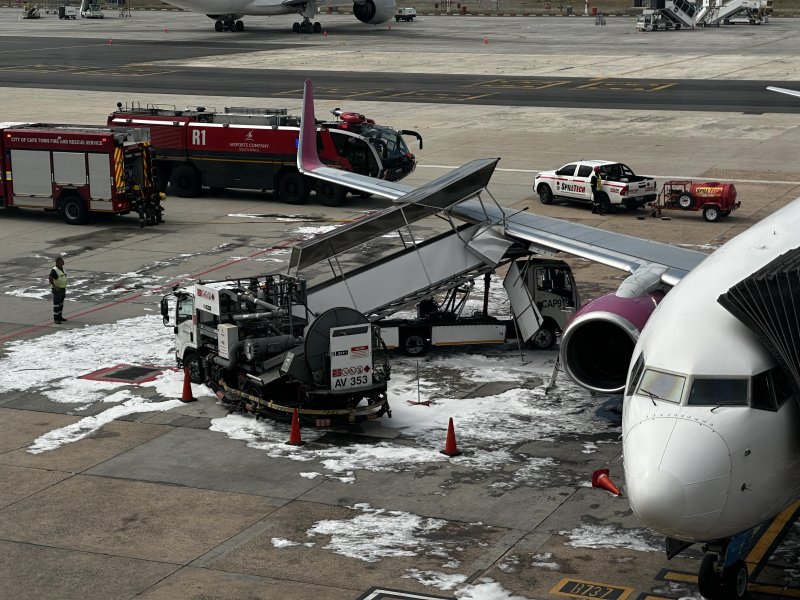
Comprehensive Summarization: The article reports a ground handling incident involving a FlySafair Boeing 737-800 at Cape Town International Airport, which...