Article Summary:
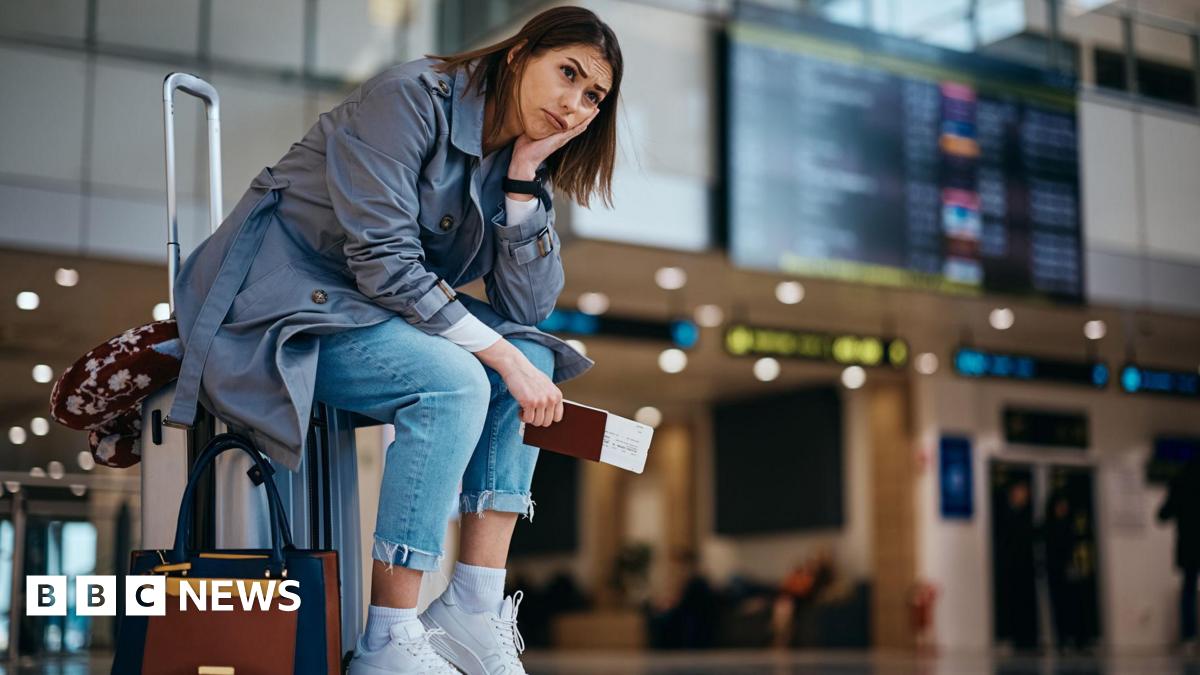
The travel industry is undergoing a significant transformation driven by shifting consumer behavior. Recent research from Marriott indicates that booking windows are becoming shorter, with 43% of American consumers willing to book unplanned trips with less than two months’ notice. This shift reflects a broader evolution in the customer journey, where travelers are prioritizing flexibility and spontaneous decision-making over traditional planning. The article highlights the impact of economic uncertainty on consumer behavior, emphasizing the need for travel companies to adapt to this new reality.
Key Points:
- Consumer behavior in the travel industry is shifting towards spontaneity and flexibility, as evidenced by Marriott’s research showing a 43% increase in consumers willing to book unplanned trips.
- The “wait and see” approach to travel bookings is becoming more prevalent, driven by economic uncertainty and the desire for better deals.
- This shift represents a fundamental change in the customer journey, with travelers prioritizing flexibility over traditional planning phases.
Actionable Takeaways:
-
Adopt Flexible Booking Strategies: Travel companies should develop and promote flexible booking options to cater to the growing demand for spontaneity. This could include offering last-minute deals, flexible cancellation policies, and the ability to adjust bookings closer to the travel date.
- Relevance and Impact: By aligning with consumer preferences for flexibility, travel companies can enhance customer satisfaction and loyalty, potentially attracting more spontaneous travelers who are willing to book with less notice.
-
Leverage Real-Time Data and Insights: Utilize real-time data analytics to monitor booking trends and consumer behavior. This can inform marketing strategies, inventory management, and pricing models to better meet the needs of spontaneous travelers.
- Relevance and Impact: Real-time data can help travel companies anticipate demand fluctuations and adjust their offerings accordingly, ensuring they remain competitive in a rapidly changing market.
-
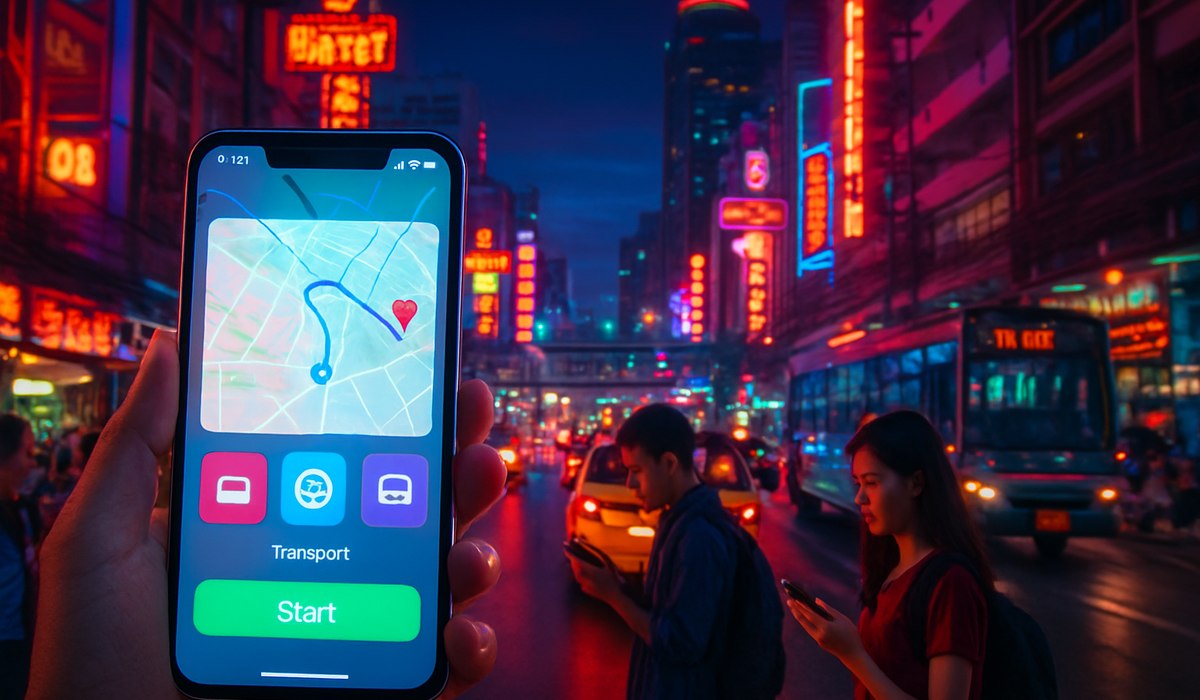
Invest in Technology for Seamless Experiences: Enhance digital platforms to provide seamless and flexible booking experiences. This includes intuitive interfaces, mobile optimization, and tools that allow travelers to easily modify or cancel bookings.
- Relevance and Impact: Improving the digital booking experience can significantly reduce friction for consumers, making it easier for them to take advantage of spontaneous travel opportunities. This can be a key differentiator in a crowded market.
Contextual Insights:
The article’s focus on the evolving consumer behavior in the travel industry is particularly relevant in the current economic climate. With consumers becoming more cautious and adaptable, travel companies must pivot to meet these new expectations. The shift towards spontaneous bookings is not just a trend but a fundamental change in how consumers plan and consume travel services. This evolution is supported by broader market conditions, such as economic uncertainty, which further drive the desire for flexibility and spontaneity. Thought leaders in the travel industry are increasingly emphasizing the importance of adapting to these changes, highlighting the need for innovation in booking technologies and customer engagement strategies. By understanding and responding to these trends, travel companies can position themselves to thrive in an increasingly dynamic market landscape.
Read the Complete Article.