Article Summary:
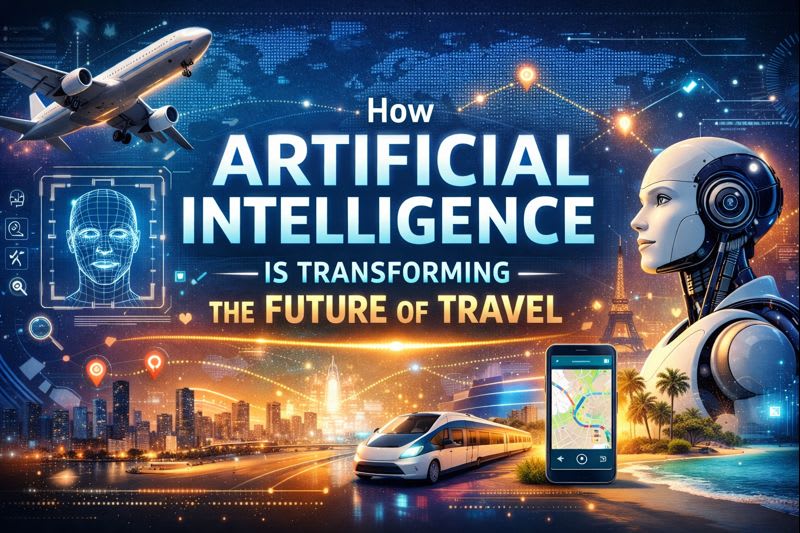
The article discusses the transformative impact of artificial intelligence (AI) on the travel industry, highlighting its role in smarter trip planning, personalized recommendations, and enhanced navigation experiences. AI is revolutionizing how travelers plan their trips, offering personalized itineraries and real-time navigation assistance, thereby reducing uncertainty, long queues, and generic itineraries. The focus is on the integration of AI in trip planning, personalized recommendations, and the overall evolution of the travel experience, emphasizing the shift towards smarter, faster, and more personalized travel solutions.
Key Points:
- AI is revolutionizing trip planning by providing smarter, personalized itineraries, moving away from traditional methods like guidebooks and travel agents.
- Personalized recommendations are becoming a standard in travel, enhancing the travel experience by tailoring suggestions to individual preferences.
- AI-driven innovations are making airports and travel experiences more efficient, with reduced wait times and improved navigation assistance.
Actionable Takeaways:
- Adopt AI-Powered Trip Planning Tools: Travel companies and agencies should integrate AI-driven tools to offer personalized itinerary planning, enhancing customer satisfaction and operational efficiency. This aligns with current industry trends towards digital transformation and personalized services.
- Enhance Customer Experience with AI: Travel providers should leverage AI for real-time navigation assistance and personalized recommendations to improve customer experience, reduce wait times, and increase operational efficiency. This can lead to higher customer retention and positive brand perception.
- Invest in AI Research and Development: Companies should invest in AI research and development to stay ahead of the curve in the rapidly evolving travel tech sector. This includes exploring new applications of AI in travel, such as predictive analytics for demand forecasting and personalized marketing strategies.
Contextual Insights:
The article reflects the ongoing trend of integrating AI into various sectors, including travel. Recent advancements in AI technology have enabled more sophisticated applications in travel, such as personalized recommendations and real-time navigation assistance. This shift is driven by the need for more efficient, personalized, and seamless travel experiences. As AI continues to evolve, it is expected to further disrupt traditional travel models, offering startups and established players alike opportunities to innovate and enhance customer engagement. The focus on AI-driven solutions underscores the industry’s commitment to leveraging technology for smarter, more efficient travel experiences, aligning with broader trends in digital transformation and customer-centricity.
Read the Complete Article.