




















Travel Capitalist Ventures Expands Check Size to $10 Million to Deepen Emerging Market Conviction
Boutique Travel VC raises investment cap from $1.5M to $10M to lead rounds and support portfolio companies through growth Travel...
Read moreDetails

As travel industry professionals, we constantly balance innovation with the timeless desire for authentic, stress-free journeys. The rapid integration of Artificial Intelligence (AI) into travel, while promising efficiency, has unfortunately given rise to "AI anxiety"—a growing concern where technology transforms travel into a frustrating rather than fulfilling experience. This phenomenon, highlighted by consumer advocate Chris Elliott, underscores a critical industry challenge: how to harness AI’s power without sacrificing the human element and traveler well-being.
The source of AI anxiety stems from several key areas. Firstly, algorithmic bias often prioritizes commercial interests over the traveler’s optimal choice, leading to suboptimal recommendations or hidden fees. Secondly, the widespread reliance on chatbots and automated systems has severely diminished access to human customer service. Travelers report endless loops, unhelpful automated responses, and significant difficulty reaching a human representative when complex issues arise. This decline in responsive, empathetic support can quickly turn a minor inconvenience into a major ordeal. Finally, information overload, fueled by countless AI-generated options and marketing messages, can lead to decision paralysis, making planning feel overwhelming rather than empowering.
For both travelers and industry stakeholders, mitigating AI anxiety requires a conscious shift in approach. Travelers should be encouraged to be deliberate in their planning, avoiding hasty decisions driven solely by algorithms. Prioritizing travel providers who offer robust, accessible human support channels is crucial. Critically evaluating online reviews, looking for patterns of positive or negative experiences rather than just star ratings, provides more reliable insights. During a trip, embracing spontaneity and unplugging from constant digital oversight can restore the joy of discovery. Lastly, safeguarding personal data and advocating for transparency from travel companies are essential steps toward a more secure and enjoyable travel future.
From an industry standpoint, the insights into AI anxiety are not a call to abandon technology, but rather to refine its application. We must champion ethical AI development that prioritizes traveler well-being and transparency. Investing in high-quality human customer service, integrated seamlessly with AI tools, will differentiate brands and build lasting loyalty. The goal is to leverage AI for efficiency and personalization where it genuinely enhances the experience, while preserving the irreplaceable value of human empathy, expert guidance, and authentic connection. By doing so, we can ensure AI serves as a powerful assistant, not a source of stress, in crafting unforgettable journeys.
Read the Complete Article.
Boutique Travel VC raises investment cap from $1.5M to $10M to lead rounds and support portfolio companies through growth Travel...
Read moreDetails



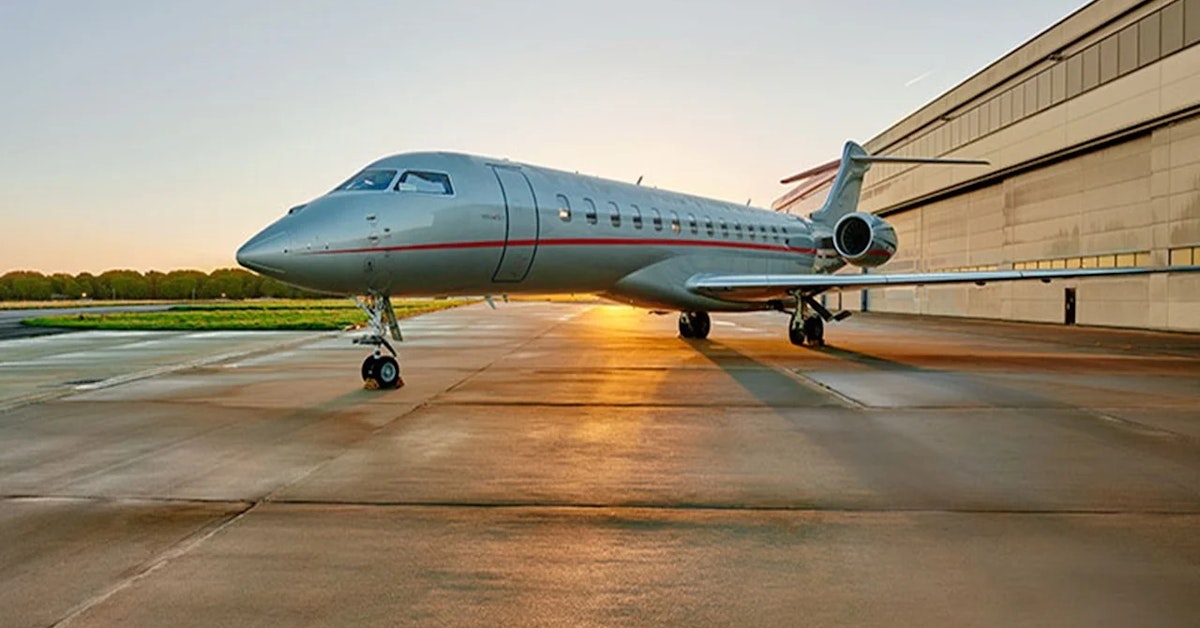
Comprehensive Summarization: VistaJet and XO, parent company Vista Global, are reportedly considering an IPO, according to financial website 9fin. The...
Read moreDetails
