























Travel Capitalist Ventures Expands Check Size to $10 Million to Deepen Emerging Market Conviction
Boutique Travel VC raises investment cap from $1.5M to $10M to lead rounds and support portfolio companies through growth Travel...
Read moreDetails

Flight Centre Travel Group is executing a robust strategic rebalancing, focusing on capital discipline and advanced AI innovation, to restore shareholder value after a challenging period. As a leader in the global travel industry, Flight Centre’s proactive approach signals a clear path forward, emphasizing sustainable growth and enhanced efficiency across its diverse portfolio.
The core of their strategy hinges on three pillars. Firstly, strategic rebalancing involves a pivot towards higher-margin segments and a significant strengthening of their corporate travel division, FCM. This means less reliance on low-margin leisure bookings and a greater focus on premium leisure experiences. Corporate travel, having shown the strongest post-pandemic recovery, is now a primary growth engine, targeting a larger share of the group’s total transaction value (TTV).
Secondly, capital discipline is paramount. Flight Centre is committed to stringent cost control, efficient capital allocation, and a proactive reduction of debt. Having navigated from a strong net cash position pre-COVID to a net debt position, the focus is now on rebuilding financial strength, improving cash flow, and ultimately, recommencing shareholder returns through dividends. This disciplined approach underpins their long-term financial stability and attractiveness to investors.
Thirdly, AI innovation is revolutionizing their operations. In corporate travel, AI is being deployed to streamline processes, reduce agent touchpoints, enhance self-service capabilities, and boost overall efficiency for businesses and their travelers. For leisure, AI is enabling greater personalization, empowering consultants with better tools, and offering more tailored experiences to customers. This technological embrace positions Flight Centre at the forefront of modern travel solutions, improving both customer satisfaction and operational profitability.
The travel market’s ongoing recovery, particularly in corporate and premium leisure segments, provides a strong tailwind. Flight Centre’s strategic shifts are designed to capitalize on these trends, aiming to regain pre-COVID market share in key regions and restore the company to robust profitability. Their ambition is to leverage their global network and brand strength, coupled with these strategic initiatives, to deliver significant value to stakeholders.
Key Points
Flight Centre’s share price has fallen by 60% in the last five years. FY24 underlying EBITDA guidance is $250 million – $280 million. The company moved from a ~$2 billion net cash position pre-COVID to a ~$1 billion net debt position post-COVID. Corporate travel (FCM) represented 25% of group TTV in FY23, up from 17% pre-COVID, with a target of 30-35% of overall sales within 2-3 years. FY23 total transaction value (TTV) was $22 billion. FY23 underlying profit before tax (PBT) was $106 million. The strategy focuses on three pillars: Rebalancing, capital discipline, and AI innovation. AI aims to reduce agent touchpoints and increase self-service in corporate travel. The goal is to restore shareholder value and regain pre-COVID market share in key markets. Dividend recommencement is a key objective after debt reduction. Strongest recovery observed in corporate and premium leisure travel.
Read the Complete Article.
Boutique Travel VC raises investment cap from $1.5M to $10M to lead rounds and support portfolio companies through growth Travel...
Read moreDetails



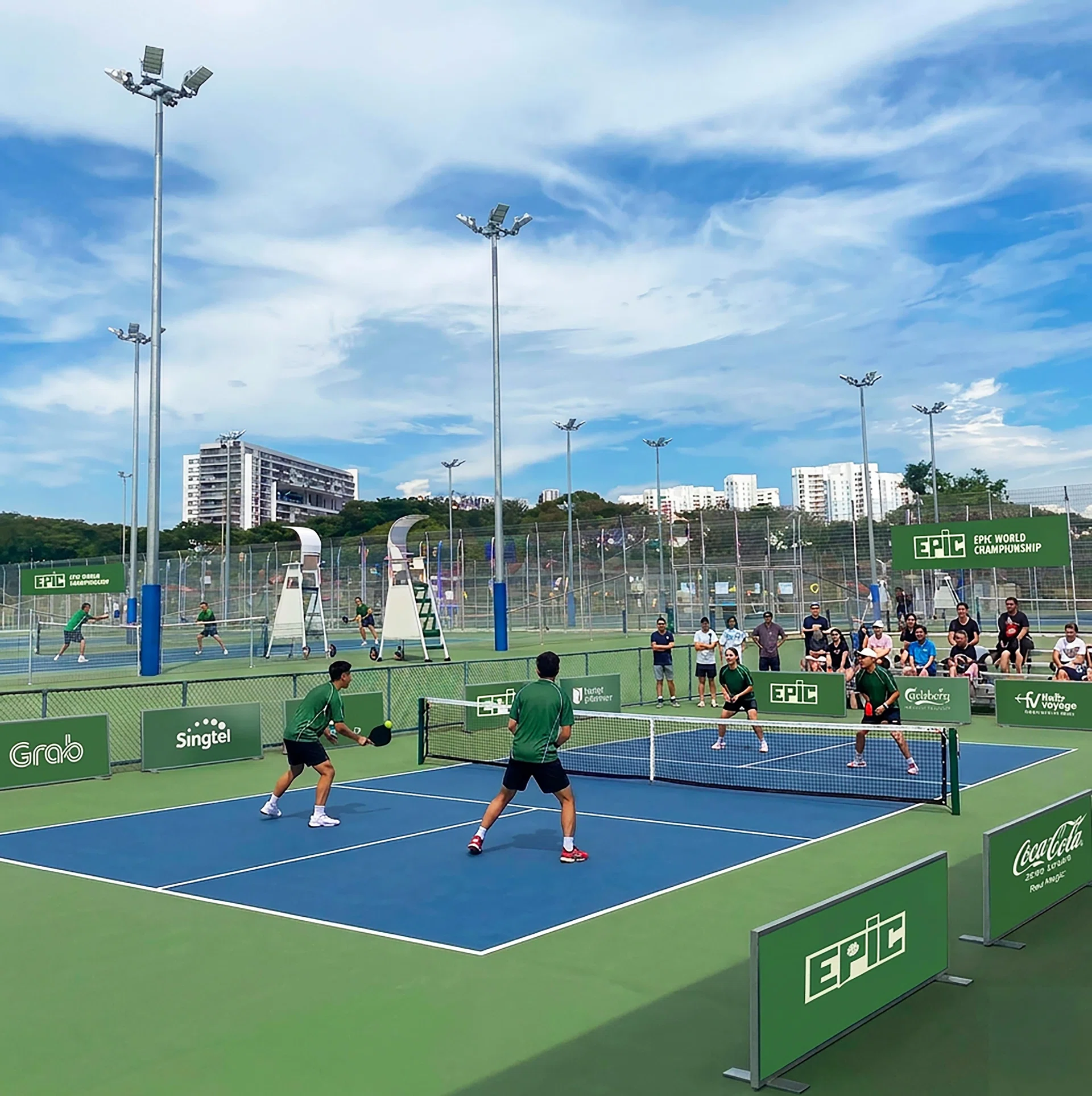
Comprehensive Summarization: The Singapore Tourism Board (STB) is set to host the inaugural Epic World Championship, a four-day amateur pickleball...
Read moreDetails
