Article Summary:
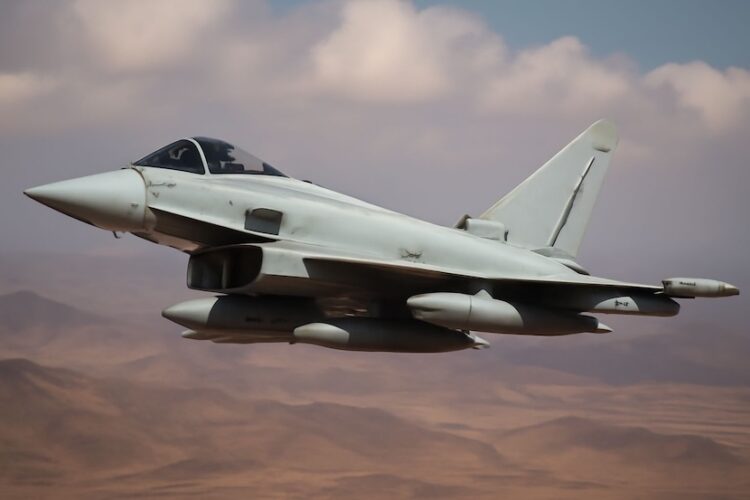
The article discusses the upcoming Defence Aviation Breakthroughs in 2026, highlighting how modern defence aviation technologies are set to make air travel safer, smarter, and more reliable for global tourists. These advancements, which include faster decision-making, improved navigation, and enhanced emergency preparedness, are expected to influence civilian flights and provide a safer travel experience. The article outlines five key trends shaping air travel in the coming year, emphasizing the integration of defense aviation technologies into civilian aviation.
Key Points:
- Autonomous flight systems are becoming more prevalent, enhancing decision-making processes and improving overall flight safety.
- Advanced navigation technologies are being integrated into civilian aircraft, offering more precise and efficient routes.
- Enhanced emergency preparedness measures are being implemented, ensuring quicker and more effective responses to in-flight emergencies.
- Increased use of data analytics and AI for real-time monitoring and predictive maintenance is improving aircraft reliability.
- The convergence of defense and civilian aviation technologies is driving innovation, leading to smarter and more efficient flight operations.
Actionable Takeaways:
- Adopt Autonomous Flight Systems: Airlines should consider integrating autonomous flight systems to enhance decision-making and improve safety. This technology can reduce human error and streamline operations, leading to more reliable flights.
- Invest in Advanced Navigation Technologies: Airlines should invest in advanced navigation systems to offer more precise and efficient flight paths. This can lead to reduced travel times and lower fuel consumption, benefiting both the environment and the airline’s bottom line.
- Implement Enhanced Emergency Preparedness: Airlines should prioritize the implementation of enhanced emergency preparedness measures. This includes training crew members, equipping aircraft with advanced safety equipment, and developing robust emergency response protocols to ensure quick and effective responses to in-flight incidents.
- Leverage Data Analytics and AI for Maintenance: Airlines should adopt data analytics and AI for real-time monitoring and predictive maintenance of aircraft. This approach can significantly improve aircraft reliability, reduce downtime, and lower maintenance costs, ultimately enhancing the overall travel experience.
- Explore Defense-Civilian Technology Convergence: Airlines should explore opportunities for collaboration with defense aviation sectors to leverage cutting-edge technologies. This convergence can drive innovation in flight operations, leading to smarter and more efficient air travel solutions.
Contextual Insights:
The article reflects the ongoing trend of integrating defense aviation technologies into civilian air travel, driven by the need for enhanced safety, efficiency, and reliability. As global travel continues to grow, these advancements are crucial in addressing the increasing demands for safer and more comfortable air travel experiences. The convergence of defense and civilian aviation technologies not only promises to improve flight operations but also opens new avenues for innovation in the travel industry. By staying abreast of these trends, industry stakeholders can position themselves to capitalize on emerging opportunities and deliver superior travel experiences to their customers.
Read the Complete Article.