Article Summary:
The article discusses the imminent transformation in the global tourism industry as it anticipates the year 2026 to be a pivotal point for India’s dominance in the global tourism sector. This shift is driven by several key factors including purpose-driven travel, AI-powered planning, and a significant change in global mobility patterns. The article highlights that travelers are now seeking more than just vacation getaways; they demand authenticity, cultural immersion, and sustainable experiences. Governments and tourism boards are adapting their strategies to cater to this new breed of traveler, leading to significant growth opportunities in the sector. The article also mentions the integration of travel trends and insights from thought leaders, emphasizing the importance of emerging travel patterns that prioritize personal passions over conventional tourism.
Key Points:
-
Purpose-Driven Travel: The article emphasizes a shift towards purpose-driven travel, where travelers seek experiences that align with their personal values and passions, rather than just traditional vacation getaways.
-
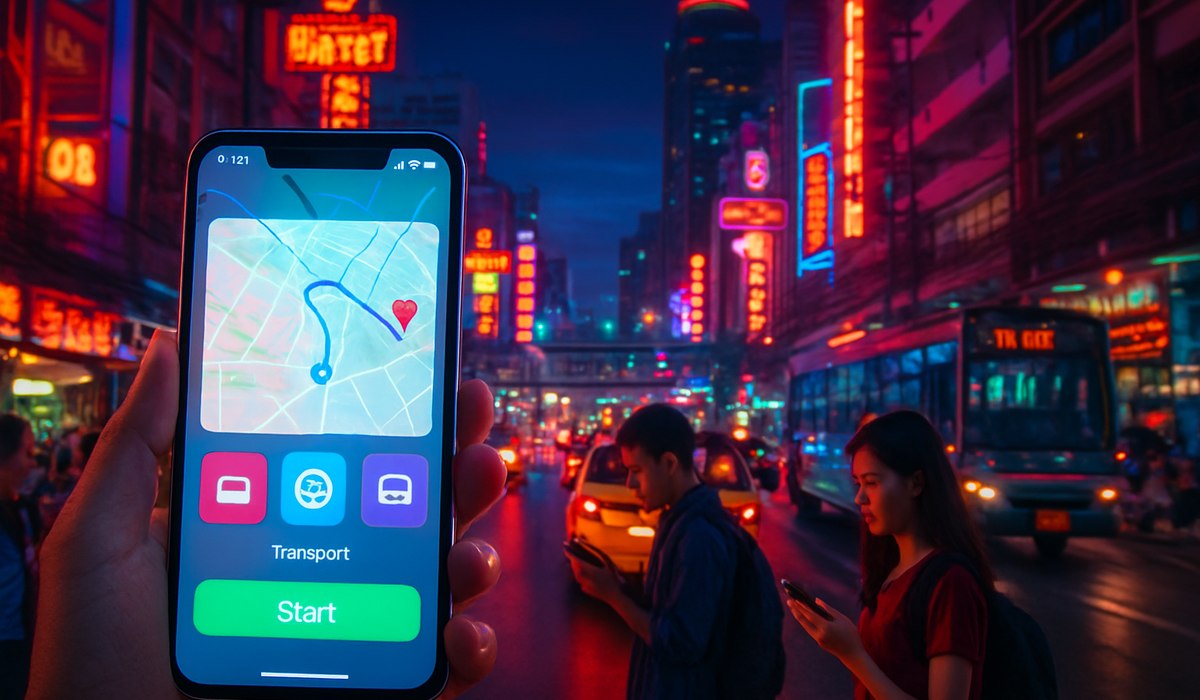
AI-Powered Planning: There is a growing trend of AI-powered planning tools that are revolutionizing how travelers plan their trips, making the process more efficient and tailored to individual preferences.
-
Shift in Global Mobility: The article notes a significant change in global mobility patterns, indicating a move towards more sustainable and culturally immersive travel experiences.
-
Government and Tourism Board Adaptations: Governments and tourism boards are adapting their strategies to meet the demands of this new travel demographic, focusing on authenticity, cultural immersion, and sustainability.
-
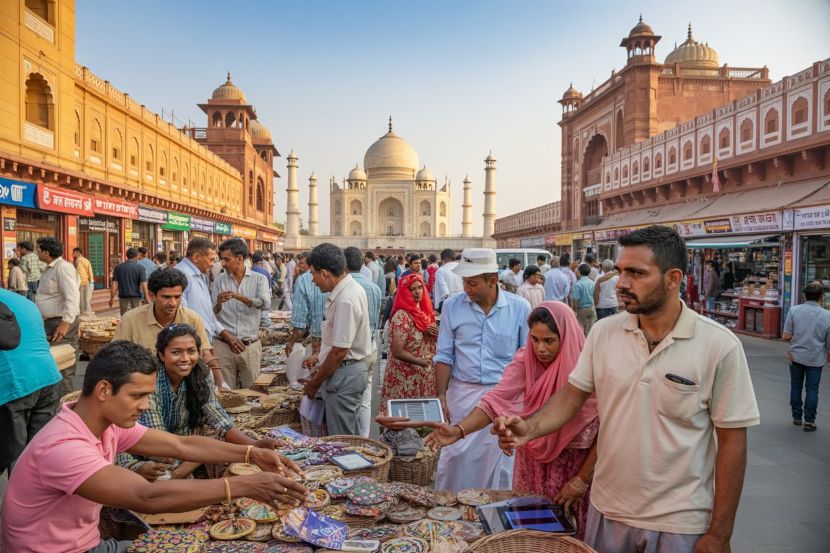
India’s Potential Dominance: The article specifically highlights India’s potential to rule the global tourism market in 2026, driven by the trends of Gen Z, technology, and sustainability.
Actionable Takeaways:
-
Embrace Purpose-Driven Travel: Travel companies and tourism boards should focus on developing travel experiences that cater to purpose-driven travelers. This could involve creating itineraries that emphasize cultural immersion, sustainability, and personal growth, thereby aligning with the evolving preferences of modern travelers.
-
Invest in AI-Powered Travel Solutions: The adoption of AI in travel planning can significantly enhance the customer experience by offering personalized recommendations and streamlining the booking process. Travel companies should invest in AI technologies to stay competitive and meet the demands of tech-savvy travelers.
-
Prioritize Sustainability: With a growing emphasis on sustainability, travel businesses should integrate eco-friendly practices into their operations. This includes promoting sustainable travel options, reducing carbon footprints, and supporting local communities, which are key factors for purpose-driven travelers.
Contextual Insights:
The article reflects the current state of the travel industry, which is undergoing a significant transformation driven by emerging trends and technological advancements. The shift towards purpose-driven travel and AI-powered planning is a direct response to changing traveler expectations and the increasing availability of technology that can facilitate these trends. India’s potential dominance in global tourism by 2026 underscores the importance of aligning with these trends, particularly the focus on sustainability and cultural immersion. As the industry moves forward, thought leaders predict that these trends will continue to shape the future of travel, making it essential for stakeholders to adapt and innovate accordingly.
Read the Complete Article.