




















Travel Capitalist Ventures Expands Check Size to $10 Million to Deepen Emerging Market Conviction
Boutique Travel VC raises investment cap from $1.5M to $10M to lead rounds and support portfolio companies through growth Travel...
Read moreDetails

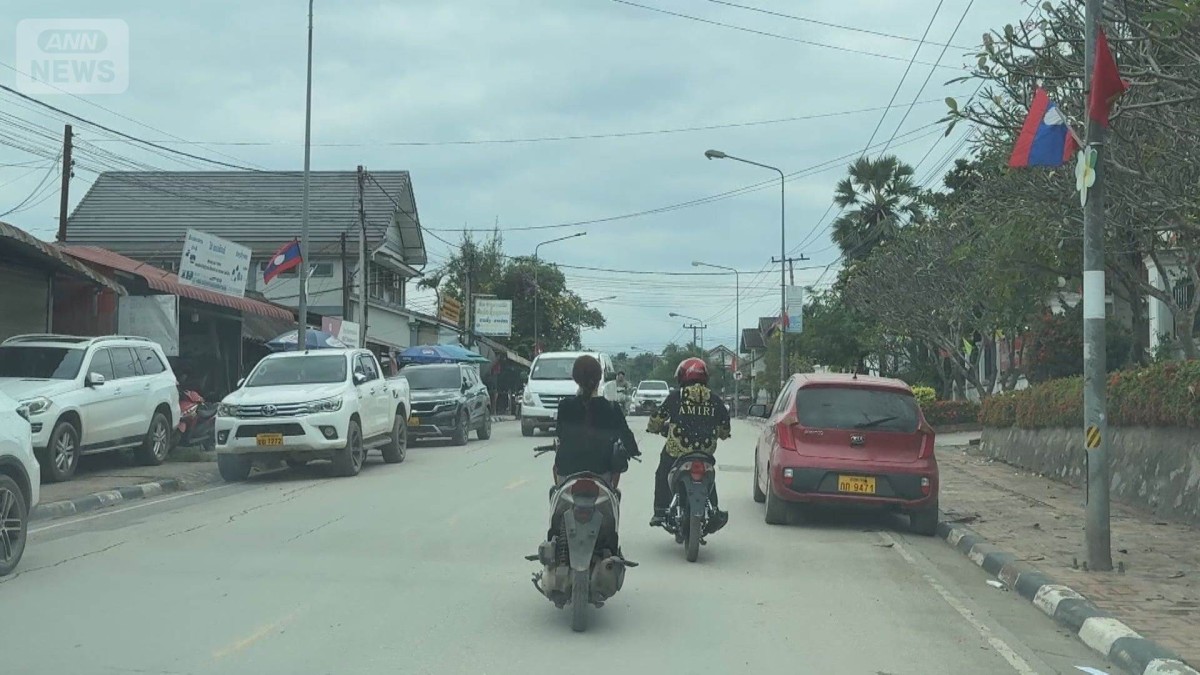
A recent incident has highlighted the growing dangers of sophisticated AI-generated content, as a Malaysian couple found themselves on a wild goose chase for hours, only to discover the advertised tourist attraction was entirely fabricated by artificial intelligence. This alarming case serves as a stark warning to travelers worldwide about the potential for AI to create convincing yet entirely false realities, impacting real-world experiences and potentially leading to significant wasted time and resources.
The couple, excited by what they believed to be a breathtaking new natural wonder, meticulously planned their trip. They likely relied on visual evidence and perhaps even simulated testimonials, all of which were masterfully crafted by AI. The sheer realism of the AI-generated video, showcasing stunning landscapes and a seemingly accessible location, proved irresistible. Unfortunately, upon arrival after a considerable journey, they were met with nothing but ordinary, unimpressive scenery, a stark contrast to the digital illusion they had pursued.
This incident underscores a critical challenge for the travel industry: verifying the authenticity of online content in an era of increasingly advanced AI manipulation. As AI becomes more adept at generating photorealistic images and videos, discerning fact from fiction will become paramount. Travelers are often drawn to visually appealing destinations and unique experiences, making them susceptible to AI-generated marketing that promises the extraordinary.
The consequences of such deception can range from mild disappointment to significant financial and emotional distress. For the Malaysian couple, the hours spent traveling represent a tangible loss of time and potentially money spent on transportation and other expenses. More broadly, such incidents can erode trust in online travel information and damage the reputation of legitimate travel businesses.
As a travel industry professional, it’s imperative that we address this emerging threat proactively. This includes:
The allure of discovering new and exciting travel destinations is a powerful motivator. However, as this case tragically illustrates, the digital world can now be a landscape of cleverly constructed illusions. Staying vigilant and demanding verifiable authenticity in our travel planning is no longer just good practice; it’s a necessity.
Key Points
Read the Complete Article.
Boutique Travel VC raises investment cap from $1.5M to $10M to lead rounds and support portfolio companies through growth Travel...
Read moreDetails




