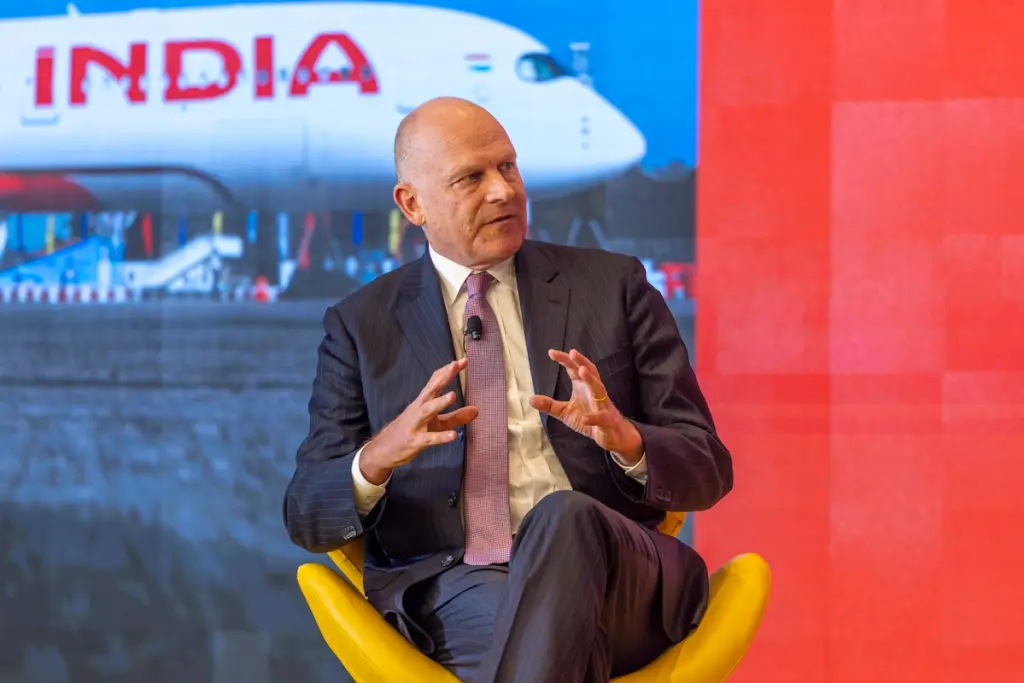
Sabre, a leading player in the travel industry, is undergoing a “fundamental transition” as it shifts from a traditional Global Distribution System (GDS)-focused company to an AI-native technology leader. This strategic pivot was highlighted during a fourth-quarter earnings call by Kurt Ekert, Sabre’s CEO. Ekert believes that corporate travel agencies and brick-and-mortar agencies will be less affected by the rise of agentic AI, whereas suppliers direct, metasearch platforms, and online travel agencies (OTAs) are more likely to be impacted. He emphasized that AI requires the vast, constantly evolving data and integrated content that Sabre has already established, suggesting that the company’s existing infrastructure will be crucial in this transition. The article also touches on the broader travel industry trends, underscoring the importance of AI in enhancing customer experiences and operational efficiencies.
Key Points:
Sabre is transitioning from a GDS-focused model to an AI-native technology leader.
Corporate travel agencies and brick-and-mortar agencies are expected to be less impacted by the emergence of agentic AI.
Suppliers direct, metasearch platforms, and OTAs are more likely to be affected by AI advancements.
AI requires the vast, constantly evolving data and integrated content that Sabre has already built.
The transition is crucial for enhancing customer experiences and operational efficiencies.
Actionable Takeaways:
Adopt AI Integration: Companies in the travel industry should prioritize the integration of AI technologies to stay competitive. Sabre’s transition underscores the importance of leveraging vast, evolving data and integrated content to enhance customer experiences and streamline operations. This move could provide a significant competitive advantage in an increasingly AI-driven market.
Focus on Supplier Direct Channels: As metasearch and OTAs become more prevalent, travel companies should invest in supplier direct channels to maintain control over pricing, inventory, and customer relationships. This strategy can help mitigate the impact of AI-driven changes in the travel market and ensure a steady revenue stream.
Leverage Data and Content: The success of AI in the travel industry heavily relies on the availability of vast, constantly evolving data and integrated content. Travel companies should invest in data analytics and content management systems to ensure they have the necessary resources to support AI-driven innovations. This investment will be crucial for maintaining a competitive edge and adapting to future market trends.
Contextual Insights:
The transition of Sabre from a GDS-focused model to an AI-native technology leader reflects a broader trend in the travel industry towards digital transformation. The rise of agentic AI is reshaping the landscape, impacting various segments such as suppliers direct, metasearch platforms, and OTAs. This shift is driven by the need for more personalized, efficient, and seamless travel experiences, which AI can provide. For travel startups and fintech innovations, the emphasis on AI integration presents both challenges and opportunities. Companies that can effectively leverage AI to enhance customer experiences and operational efficiencies will likely thrive in this evolving market. Additionally, the focus on supplier direct channels highlights the importance of maintaining control over critical aspects of the travel supply chain, ensuring that companies can adapt to changing market dynamics and consumer preferences. Overall, the insights from Sabre’s strategic pivot provide valuable guidance for navigating the current and future state of the travel industry.