




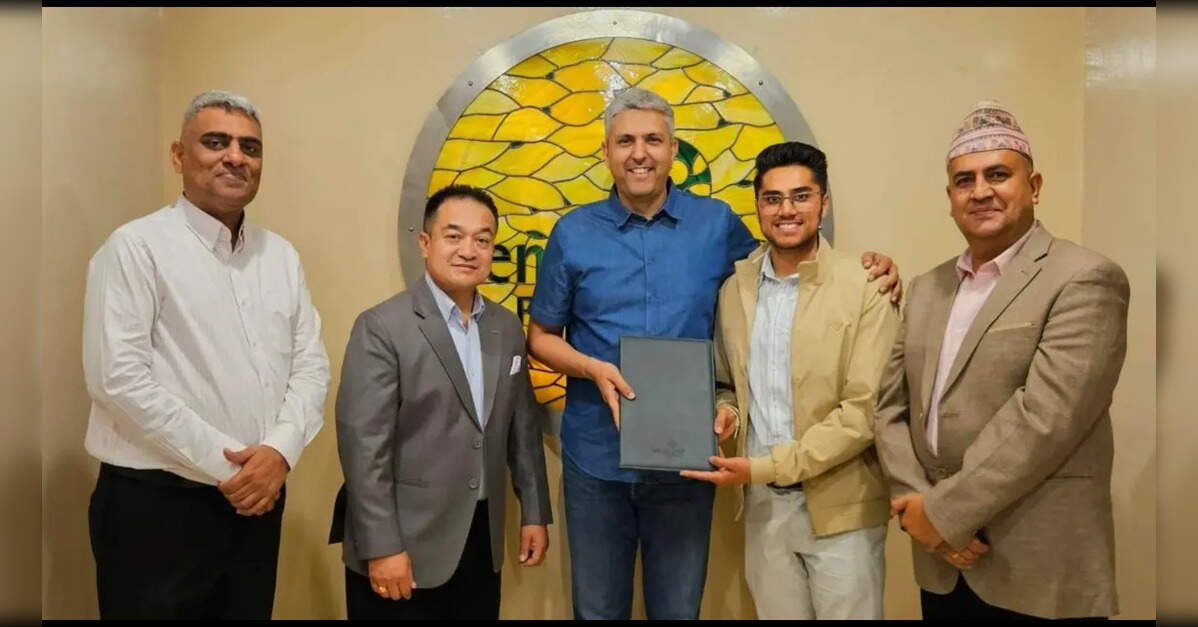

















Travel Capitalist Ventures Expands Check Size to $10 Million to Deepen Emerging Market Conviction
Boutique Travel VC raises investment cap from $1.5M to $10M to lead rounds and support portfolio companies through growth Travel...
Read moreDetails

The burgeoning world of AI continues to push boundaries, and OpenAI’s latest creation, Sora, has the travel industry buzzing with potential. This advanced text-to-video AI model promises to revolutionize content creation, offering unprecedented opportunities for marketing, visualization, and customer engagement. As travel brands increasingly rely on compelling visual narratives to attract and inspire travelers, Sora could become an indispensable tool.
Imagine showcasing a pristine beach resort not through static photos or hours of filming, but through a hyper-realistic, AI-generated video created from a simple text prompt. Sora can generate detailed scenes, specific actions, and even emotional nuances, offering a level of creative control and speed previously unimaginable. This opens up exciting avenues for travel marketers to produce highly personalized and immersive content for social media, website landing pages, and digital advertising campaigns. Instead of relying on expensive stock footage or lengthy production cycles, travel companies can now potentially generate bespoke video assets on demand, tailored to specific target demographics and marketing objectives.
Beyond marketing, Sora’s capabilities extend to enhancing the pre-travel experience. Prospective travelers could use the AI to visualize their dream vacation with astonishing accuracy. Want to see what a hike through the Swiss Alps looks like at sunrise, or experience the bustling night markets of Tokyo from your living room? Sora could make these experiences accessible, allowing users to explore destinations virtually and make more informed booking decisions. This level of immersion can significantly boost booking conversions by reducing uncertainty and increasing anticipation.
Furthermore, for destinations and tour operators, Sora offers a powerful tool for storytelling and destination branding. Instead of simply describing the allure of a place, they can now show it in dynamic, engaging ways. This could range from animating historical narratives to showcasing adventurous activities, all through the power of AI. The ability to create diverse and visually rich content quickly and cost-effectively is a significant advantage in a competitive digital landscape.
However, alongside these exciting prospects come important considerations. The ethical implications of AI-generated content, the potential for misuse, and the need for human oversight in ensuring accuracy and authenticity will be crucial as these technologies become more widespread. For the travel industry, the key will be to leverage Sora’s power responsibly, augmenting human creativity rather than replacing it entirely, and ensuring that the generated content remains true to the actual travel experience. The integration of Sora signals a new era of visual communication, and proactive adoption will be essential for travel brands seeking to lead in innovation and customer experience.
Key Points
Read the Complete Article.
Boutique Travel VC raises investment cap from $1.5M to $10M to lead rounds and support portfolio companies through growth Travel...
Read moreDetails



Comprehensive Summarization: The article discusses the recent licensing fees announced by the Liberia Tourism Authority, which has sparked debate among...
Read moreDetails
