























Travel Capitalist Ventures Expands Check Size to $10 Million to Deepen Emerging Market Conviction
Boutique Travel VC raises investment cap from $1.5M to $10M to lead rounds and support portfolio companies through growth Travel...
Read moreDetails

The Q2 2025 earnings call from Trip.com Group (TRIP) paints a compelling, yet nuanced, picture of the global travel industry’s recovery and the strategic role of artificial intelligence. While headlines trumpet impressive revenue growth, a deeper dive reveals a fascinating divergence between robust international travel and a more subdued domestic market, particularly within China. This complexity offers critical insights for travel professionals assessing market trends and future growth opportunities.
Trip.com reported a stellar 101.9% year-over-year revenue increase, reaching 15.39 billion yuan (approximately $2.1 billion USD), alongside a net profit of 4.71 billion yuan. This strong financial performance was largely fueled by a powerful resurgence in international travel. Segments like accommodation, transportation ticketing, and packaged tours all saw triple-digit growth, highlighting pent-up demand and Trip.com’s effective capture of the global rebound. As a leading online travel agency (OTA), Trip.com is clearly benefiting from the return of global mobility, expanding its international market share and leveraging its established brand.
However, the narrative isn’t uniformly rosy. The article points to a noticeable slowdown in China’s domestic travel recovery, influenced by broader economic headwinds such as a struggling property market and youth unemployment. This impacts consumer confidence and discretionary spending, presenting a challenge for Trip.com’s domestic operations and illustrating the uneven nature of post-pandemic recovery. While international bookings soar, understanding the domestic market’s unique pressures is crucial for strategic planning.
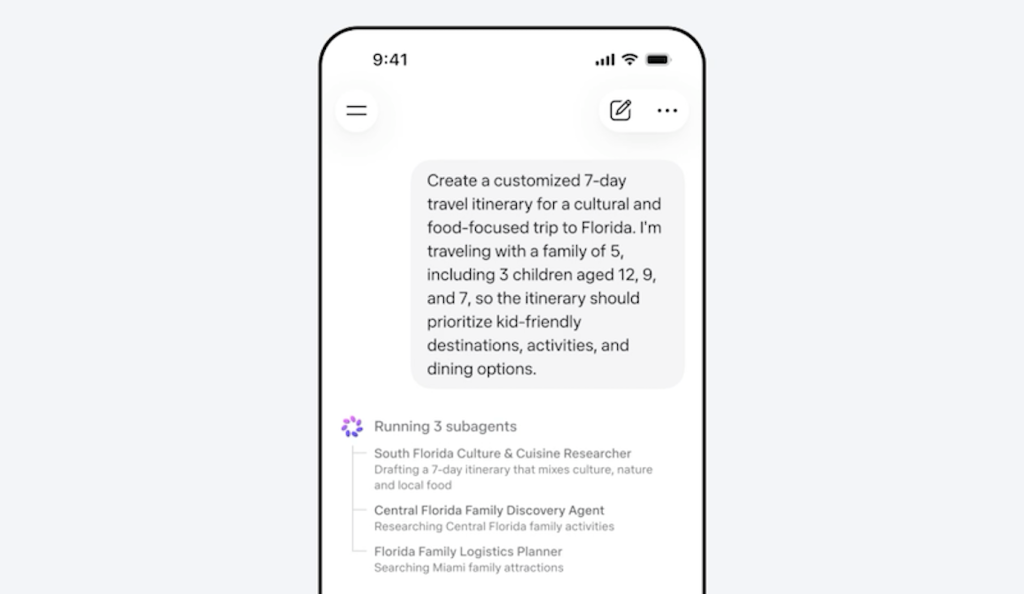
A key differentiator for Trip.com is its aggressive pursuit of AI innovation, epitomized by its AI assistant, TripGenie. This tool is designed to revolutionize the user experience through personalized recommendations, intelligent itinerary planning, and enhanced customer service. By leveraging AI, Trip.com aims to not only boost conversion rates and operational efficiency but also to solidify its premium market position against competitors like Meituan, which focuses more on local services, and Alibaba Fliggy, integrated within a broader ecosystem. The investment in AI signals a commitment to future-proofing the business and enhancing customer loyalty in an increasingly competitive landscape.
For travel industry professionals, Trip.com’s Q2 2025 results underscore several vital lessons: the continued strength of international travel, the significant impact of regional economic conditions on domestic markets, and the indispensable role of AI in shaping the future of travel personalization and operational excellence. Navigating these dynamics will be key to unlocking sustainable growth in the years ahead.
Key Points:
Read the Complete Article.
Boutique Travel VC raises investment cap from $1.5M to $10M to lead rounds and support portfolio companies through growth Travel...
Read moreDetails



Comprehensive Summarization: The Singapore Tourism Board (STB) is set to host the inaugural Epic World Championship, a four-day amateur pickleball...
Read moreDetails
