




















Travel Capitalist Ventures Expands Check Size to $10 Million to Deepen Emerging Market Conviction
Boutique Travel VC raises investment cap from $1.5M to $10M to lead rounds and support portfolio companies through growth Travel...
Read moreDetails

Article Summary:
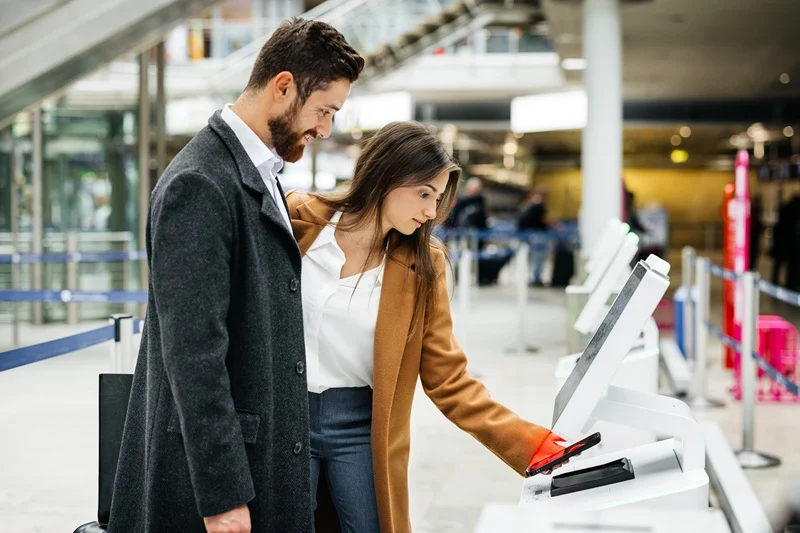
The article discusses how modern technology, including AI assistants, biometrics, and cloud services, is making it possible for digital nomads and remote workers to live and work in various locations around the world, such as Bali and Vietnam, in 2025. It highlights the importance of internet access for these professionals, despite the challenges it poses, and suggests that despite this nuance, the dream of working remotely in exotic locations is becoming a reality.
Key Points:
Actionable Takeaways:
Contextual Insights:
The article reflects the ongoing trend of remote work becoming more prevalent and accessible, driven by advancements in technology. The ability to work remotely in exotic locations is not just a luxury but a practical reality for many professionals, thanks to innovations in AI, biometrics, and cloud services. This shift is reshaping the travel industry, as more people seek to combine work and leisure in unique and desirable locations. The challenges of maintaining internet connectivity in various settings underscore the importance of developing robust solutions to support the digital nomad lifestyle. As the industry continues to evolve, thought leaders predict that remote work will become increasingly mainstream, leading to further innovations in travel tech and a broader acceptance of remote work as a viable career option.
Read the Complete Article.
Boutique Travel VC raises investment cap from $1.5M to $10M to lead rounds and support portfolio companies through growth Travel...
Read moreDetails



— In short: Major airlines raise fares and fees due to Iran conflict-driven fuel cost surge. Airline Fee Increases The...
Read moreDetails