







No products in the cart.
- Latest
- Trending


Travel Solutions Managed: How MCP Protocol Reshapes 2026
Comprehensive Summarization:
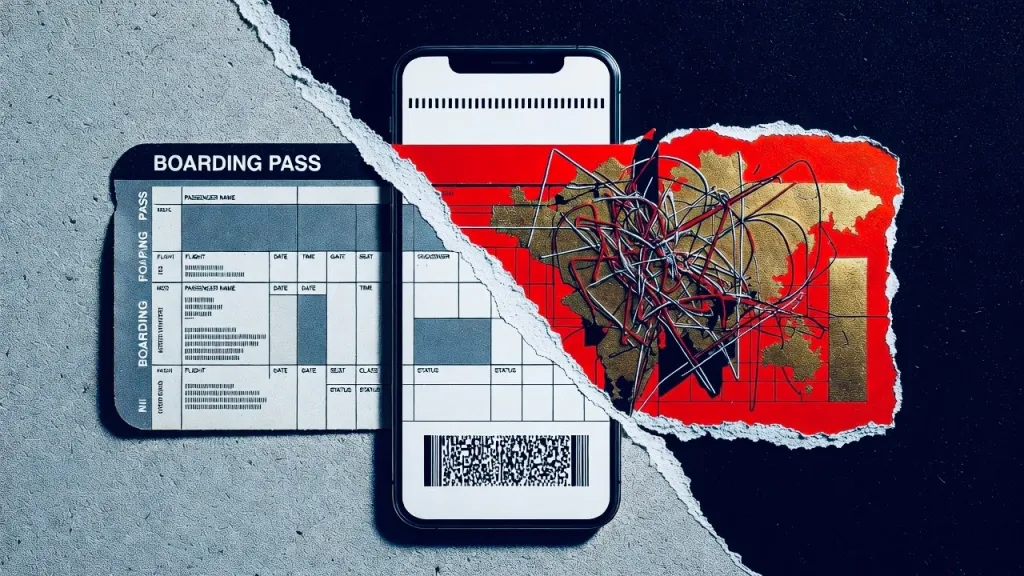
The article discusses the Managed Context Protocol (MCP), a significant update in the travel industry’s booking landscape, which was rolled out across major carriers in March 2026. MCP introduces AI-driven automation that reduces booking friction by 40% while maintaining security. Major players such as Delta Air Lines, United Airlines, and Marriott Hotels have integrated the system to streamline operations. This technology-driven shift impacts millions of travelers monthly, from economy passengers to corporate travel programs managing enterprise mobility. The protocol establishes standardized communication between distributed systems, enhancing efficiency and user experience in the travel sector.
Key Points:
Actionable Takeaways:
Enhanced Efficiency in Travel Booking: The 40% reduction in booking friction due to MCP’s AI-driven automation can significantly improve the travel booking experience for both consumers and corporate travelers. This efficiency gain can lead to higher customer satisfaction and potentially increased bookings for airlines and hotels adopting the protocol.
Security and Trust in Travel Transactions: By maintaining security during the booking process, MCP helps build trust among travelers. This is particularly important in an era where data security is a major concern. Travel companies that integrate MCP can leverage this trust to attract more customers, especially those who are cautious about sharing personal information online.
Standardization of Travel Data Communication: The establishment of standardized communication between distributed systems through MCP can lead to more seamless and integrated travel services. This standardization can facilitate better coordination between airlines, hotels, and other travel platforms, ultimately leading to a more cohesive travel experience for consumers.
Contextual Insights:
The introduction of MCP in 2026 reflects the ongoing trend of digital transformation in the travel industry. As travel becomes increasingly digitized, the need for efficient, secure, and standardized systems is more critical than ever. The integration of AI-driven automation in booking processes aligns with broader industry trends towards leveraging technology to enhance customer experience and operational efficiency. Furthermore, the adoption of such technologies by industry leaders like Delta Air Lines, United Airlines, and Marriott Hotels underscores the growing importance of innovation in travel tech. For startups and fintech companies in the travel sector, MCP serves as a benchmark for integrating advanced technologies to stay competitive. The focus on security and standardized communication also highlights the industry’s shift towards building trust and reliability in digital travel transactions, a trend that is likely to continue shaping the future of travel services.
Read the Complete Article.
Get curated travel AI insights — choose the newsletters that matter to you.
This spot is reserved for brands with a compelling story for the travel trade. They use this space to cut...
Read moreDetailsALTOUR Expands into Thailand, Strengthening Corporate Travel Network Across Southeast Asia BANGKOK, THAILAND (25 March, 2026) – ALTOUR, a leading...
Read moreDetails


MCP Protocol Revolutionizes Travel Booking in 2026 with AI Automation
Read moreDetails