









No products in the cart.
- Latest
- Trending


New SAP Concur research reveals five tra
New research from SAP Concur highlights a growing chasm between business stakeholders regarding key travel topics, signaling potential turbulence for the industry. The report identifies five areas where opinions diverge significantly, impacting how businesses approach travel policies, expenses, and the overall employee experience. Understanding these divides is crucial for travel managers and business leaders aiming to create effective and employee-centric travel programs.
One of the most prominent areas of disagreement centers on booking channels. While travel managers often prioritize cost-effectiveness and policy adherence, many employees crave the flexibility and convenience of booking through consumer sites they use for personal travel. This disconnect can lead to out-of-policy bookings, increased administrative burden, and frustration for both parties. Bridging this gap requires a solution that offers user-friendly booking experiences while maintaining control and visibility for the business.
Another significant point of contention lies in meal allowances and per diems. Employees often feel current allowances don’t adequately cover actual meal costs, especially in higher-cost destinations. Conversely, finance departments are focused on managing expenditure and preventing overspending. Striking a balance that allows employees to eat reasonably while remaining fiscally responsible is a persistent challenge. Clearer guidelines, updated rates, and potentially tiered allowances based on location could help.
The reimbursement process for expenses also presents a divide. While employees desire swift and hassle-free reimbursements, the reality often involves complex forms, lengthy approval times, and potential errors. This friction can negatively impact employee morale and create administrative bottlenecks. Streamlining expense reporting through mobile-first solutions and automated processing is key to addressing this.
Furthermore, the choice of accommodation proves to be a divisive topic. Employees might prefer unique or boutique hotels for comfort and experience, while businesses often lean towards preferred, corporate-approved lodging for better rates and safety compliance. This tension between employee preference and corporate mandate requires careful consideration of policy flexibility and a robust hotel program that offers a range of vetted options.
Finally, the article points to a divide in understanding the return on investment (ROI) of business travel. While sales teams and executives often see travel as essential for relationship building and revenue generation, other departments may view it purely as a cost center. Demonstrating the tangible benefits of travel, such as increased sales, stronger client relationships, and market insights, is vital to fostering a shared understanding and appreciation for its value.
Addressing these five key areas of division is paramount for businesses seeking to optimize their travel programs, enhance employee satisfaction, and ensure compliance. By acknowledging these differing perspectives and implementing solutions that cater to both business needs and employee expectations, the travel industry can navigate the current turbulence and build more efficient, effective, and employee-friendly travel experiences.
Read the Complete Article.
Get curated travel AI insights — choose the newsletters that matter to you.
This spot is reserved for brands with a compelling story for the travel trade. They use this space to cut...
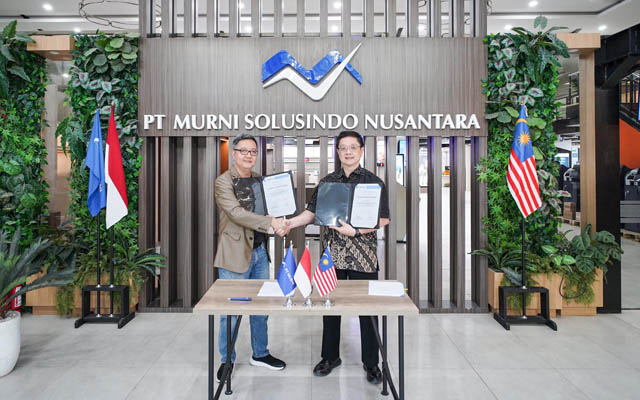
Read moreDetailsALTOUR Expands into Thailand, Strengthening Corporate Travel Network Across Southeast Asia BANGKOK, THAILAND (25 March, 2026) – ALTOUR, a leading...
Read moreDetails


Comprehensive Summarization: The article discusses the significant disruption caused by escalating events in the Middle East to the global fuel...
Read moreDetails