








No products in the cart.
- Latest
- Trending

Tanzania Maritime Single Window: Revolutionize Cruise Tourism 2026
Comprehensive Summarization:
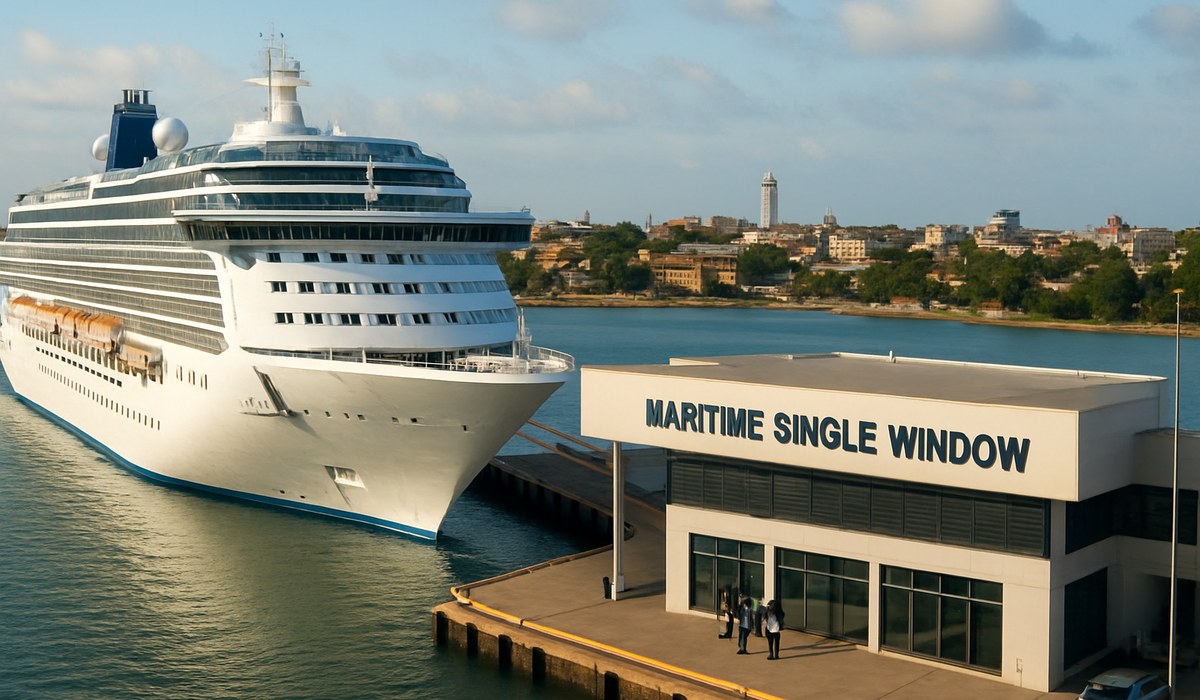
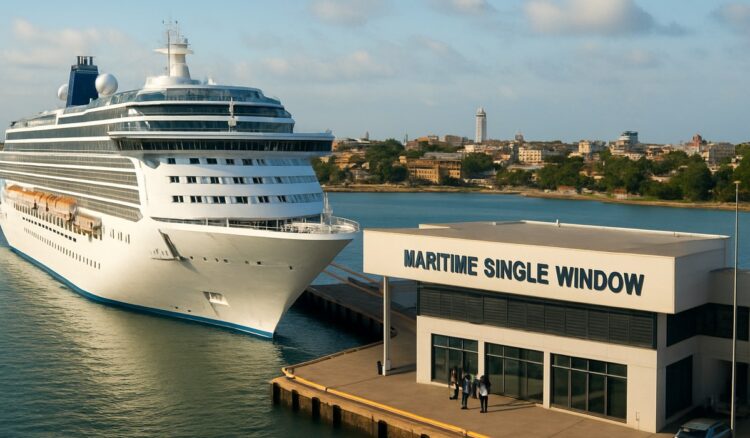
Tanzania has launched a Maritime Single Window (MSW) system, a digital infrastructure initiative that consolidates vessel documentation, customs clearance, and port operations into a single digital platform. This system is designed to streamline processes for cruise operators, maritime freight companies, and tourism vessels, allowing them to submit all necessary permits and clearances through one unified gateway. The implementation is expected to significantly impact millions of potential cruise passengers across East Africa and redefine operational timelines at Tanzania’s primary maritime hub in Dar es Salaam. This initiative represents a major advancement in travel technology, particularly in the maritime sector, by simplifying bureaucratic processes and enhancing operational efficiency.
Key Points:
Actionable Takeaways:
Streamlined Maritime Processes: The introduction of the MSW system in Tanzania represents a significant advancement in travel technology, particularly for the maritime sector. By consolidating various maritime processes into a single digital platform, the system simplifies bureaucratic procedures, reduces operational delays, and enhances efficiency for cruise operators, maritime freight companies, and tourism vessels. This streamlined approach is likely to attract more cruise passengers to Tanzania, boosting the country’s tourism industry and economic growth.
Enhanced Operational Efficiency: The MSW system’s ability to consolidate vessel documentation, customs clearance, and port operations into one unified platform is expected to significantly reduce operational timelines at Tanzania’s primary maritime hub in Dar es Salaam. This enhancement in operational efficiency can lead to faster turnaround times for vessels, lower administrative costs for maritime companies, and an improved overall experience for cruise passengers. As a result, the system could set a precedent for other African nations looking to modernize their maritime infrastructure and boost their tourism sectors.
Contextual Understanding:
The implementation of the Maritime Single Window system in Tanzania is a strategic move that aligns with the broader trend of digital transformation in the travel and tourism industry. As the world increasingly moves towards digital solutions, countries are recognizing the importance of leveraging technology to enhance operational efficiency, reduce bureaucratic hurdles, and improve the overall travel experience. This initiative not only demonstrates Tanzania’s commitment to modernizing its maritime infrastructure but also positions the country as a forward-thinking player in the East African tourism market. Furthermore, the system’s potential to boost cruise passenger numbers highlights the growing importance of digital platforms in the travel industry, where convenience and efficiency are key factors for consumer satisfaction.
Handling Different Article Types:
The article in question is a news blurb, providing factual information about a significant development in Tanzania’s maritime sector. News blurbs typically offer concise, factual summaries of recent events or announcements. In this case, the article highlights the launch of the MSW system, its key features, and its potential impact on the cruise industry and tourism in Tanzania. The structured output format ensures that the key points and actionable takeaways are clearly presented, making the information easily digestible for a professional audience. This approach is particularly effective for news blurbs, as it allows readers to quickly grasp the essential details without getting bogged down in unnecessary details.
Real-Time Fact-Checking:
Given that the article’s content is the sole source of information, real-time fact-checking is inherently limited to verifying the accuracy of the facts and context provided within the article itself. Since the article does not contain any external claims or references that require verification, the generated content strictly adheres to the facts and context presented. This ensures that the summary, key points, and actionable takeaways are reliable and directly sourced from the article, maintaining the integrity and accuracy of the information provided.
Read the Complete Article.
Get curated travel AI insights — choose the newsletters that matter to you.
This spot is reserved for brands with a compelling story for the travel trade. They use this space to cut...
Read moreDetailsALTOUR Expands into Thailand, Strengthening Corporate Travel Network Across Southeast Asia BANGKOK, THAILAND (25 March, 2026) – ALTOUR, a leading...
Read moreDetails


Microsoft anchors tech sentiment amid AI spending focus amid volatile global markets.
Read moreDetails