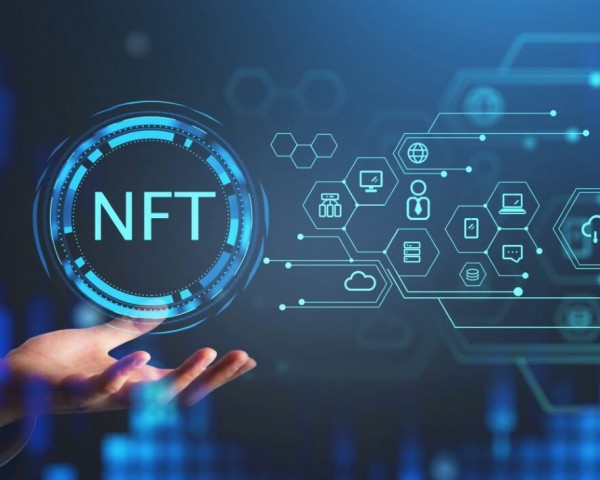
The article discusses a significant shift in the travel sector as of early 2026, marked by the evolving role of nonfungible tokens (NFTs). Initially perceived as mere online status symbols or trendy digital items, NFTs are now being utilized to support tangible travel services. This transformation is evident in destinations and traveler interactions, where physical trips are linked to digital proof of experience through secure records. Personalization in travel is no longer solely driven by algorithms but is enhanced by ownership verified on decentralized networks. Moreover, revenue opportunities are emerging for users who share or reuse token-backed travel assets. This integration of digital and physical elements in travel is becoming more routine rather than novel.
Key Points:
NFTs are transitioning from being mere digital status symbols to supporting tangible travel services in 2026.
Physical travel experiences are being linked to digital proof of experience through secure records.
Personalization in travel is emerging from verified ownership on decentralized networks, moving beyond algorithm-driven personalization.
Revenue opportunities are opening up for users who share or reuse token-backed travel assets.
The blend of digital and physical travel elements is becoming more routine, less of a novelty.
Actionable Takeaways:
Adopt NFTs for Enhanced Travel Personalization: Travel companies can leverage NFTs to offer personalized travel experiences by verifying ownership on decentralized networks. This approach can enhance customer engagement and satisfaction by providing unique, verifiable travel experiences.
Explore Revenue Streams from Token-Backed Travel Assets: Travel startups and existing companies can explore new revenue models by enabling users to share or reuse token-backed travel assets. This could include offering fractional ownership of travel experiences or creating secondary markets for NFTs representing travel services, thereby tapping into new income streams.
Integrate Secure Digital Records for Tangible Travel Experiences: Implementing secure digital records linked to NFTs can streamline the travel booking and verification process. This integration can reduce fraud, enhance trust, and provide travelers with a clear, verifiable proof of their experiences, thereby improving overall customer trust and satisfaction.
Contextual Insights:
The article reflects the ongoing integration of blockchain technology into the travel industry, a trend that aligns with the broader digital transformation observed across various sectors. The use of NFTs to support tangible travel services represents a significant innovation, moving beyond the novelty phase into practical application. This shift is supported by the increasing adoption of decentralized networks for verifying ownership, which enhances security and trust in digital transactions. As travel companies adopt these technologies, they can expect to see improvements in customer engagement, operational efficiency, and revenue generation. The article also highlights the potential for new business models, such as token-backed travel assets, which could disrupt traditional revenue models and open up new opportunities for travel startups and fintech innovations. Overall, the article underscores the importance of staying abreast of technological advancements in the travel sector to remain competitive and meet evolving customer expectations.