



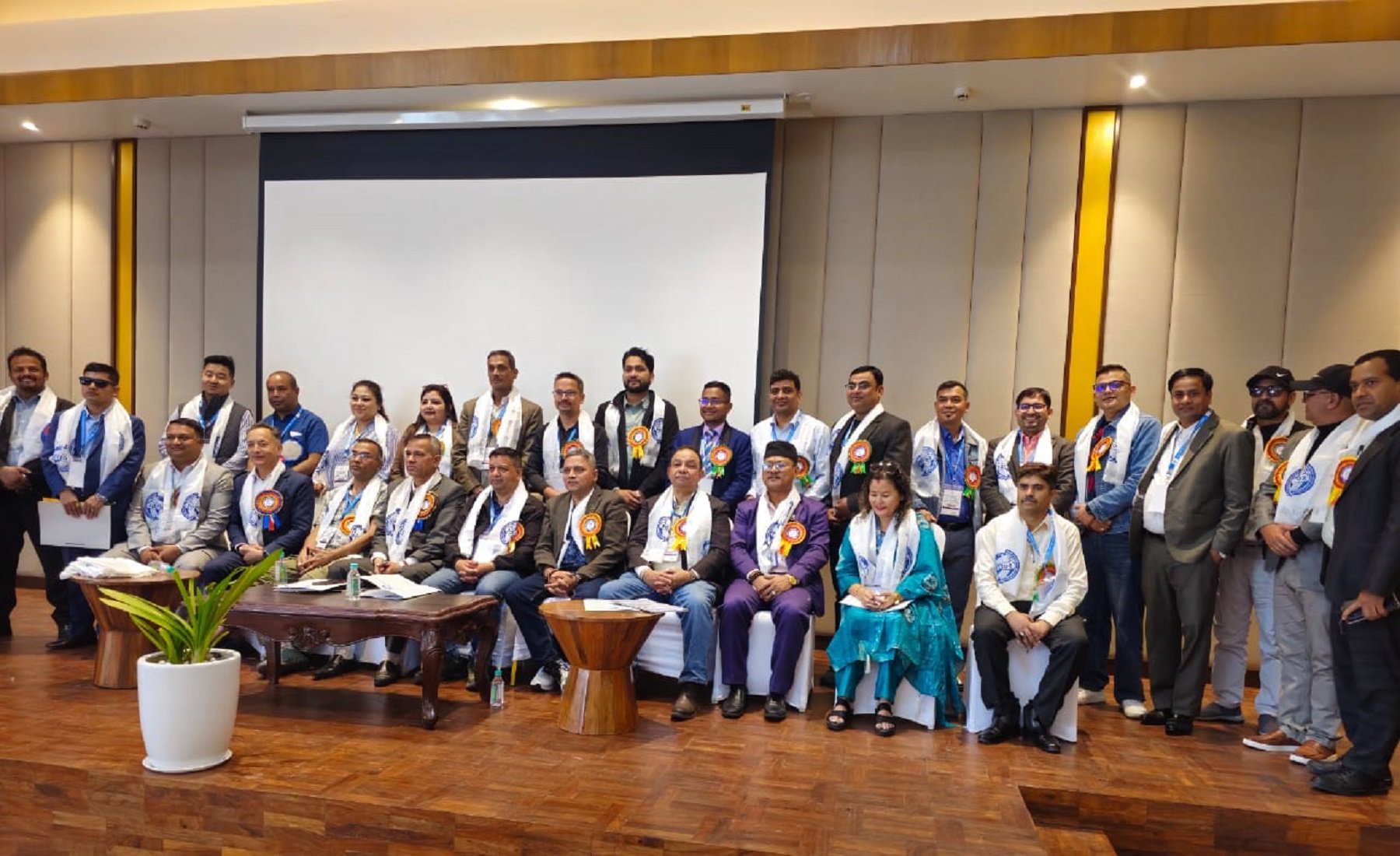




















Travel Capitalist Ventures Expands Check Size to $10 Million to Deepen Emerging Market Conviction
Boutique Travel VC raises investment cap from $1.5M to $10M to lead rounds and support portfolio companies through growth Travel...
Read moreDetails


UK to Revolutionize Train Travel with Tap-In, Tap-Out Contactless Technology, Simplifying Access to ...
Article Summary:
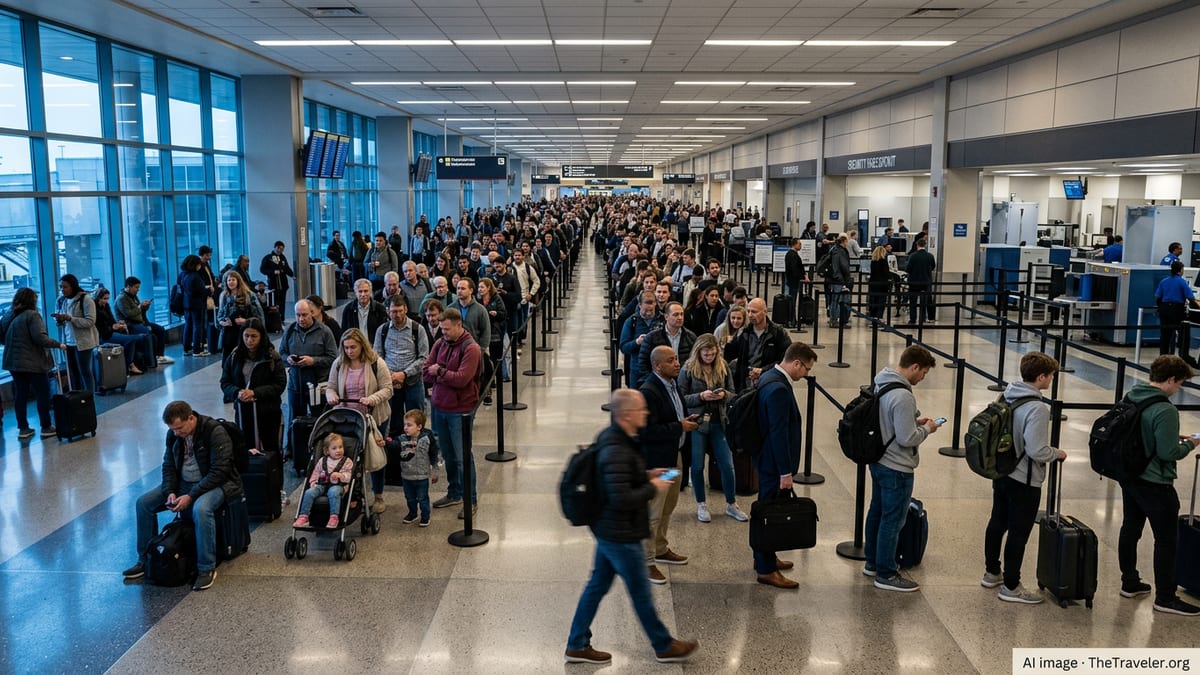
The UK government is set to revolutionize train travel by expanding contactless tap-in, tap-out technology across 50 stations in south-east England, starting from December 14, 2025. This £18.7 million investment aims to make journeys more accessible, flexible, and convenient, particularly for travelers heading to London airports. The initiative is part of a broader effort to modernize and simplify rail travel, leveraging advanced technology to enhance the passenger experience.
Key Points:
Actionable Takeaways:
Contextual Insights:
The expansion of contactless tap-in, tap-out technology in the UK reflects a broader trend in the travel industry towards digital transformation and enhanced passenger experience. As highlighted by industry thought leaders, the integration of such technologies can lead to significant operational efficiencies and customer satisfaction improvements. This move aligns with the increasing demand for seamless, contactless services, especially in the wake of the COVID-19 pandemic, which accelerated the adoption of digital solutions across various sectors. Furthermore, the investment in this technology underscores the UK government’s commitment to modernizing its public transportation infrastructure, positioning the country as a leader in travel innovation. As other regions and countries look to emulate the UK’s approach, we can expect to see a wave of similar technological advancements in the travel sector, driven by both regulatory pressures and consumer expectations for convenience and efficiency.
Read the Complete Article.
Boutique Travel VC raises investment cap from $1.5M to $10M to lead rounds and support portfolio companies through growth Travel...
Read moreDetails




