



No products in the cart.
- Latest
- Trending

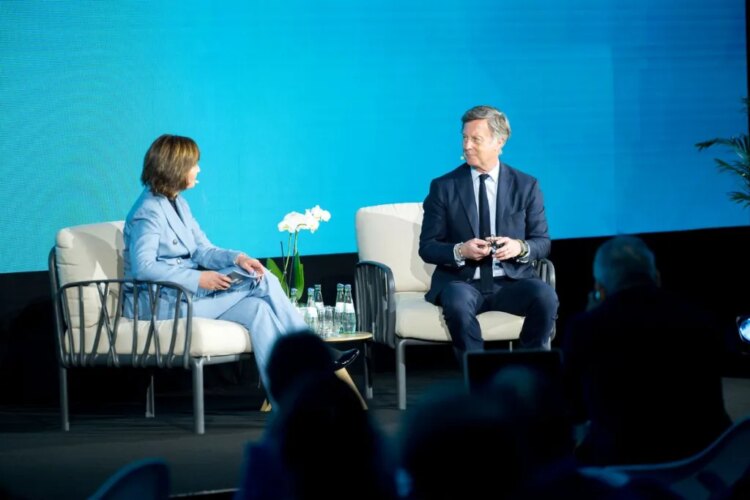
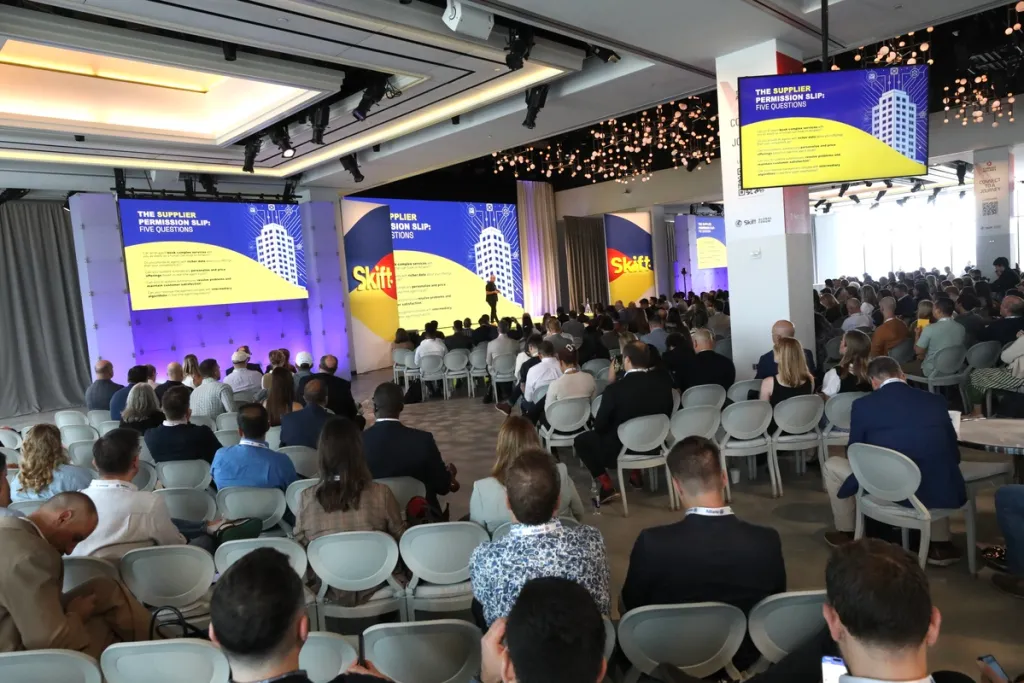
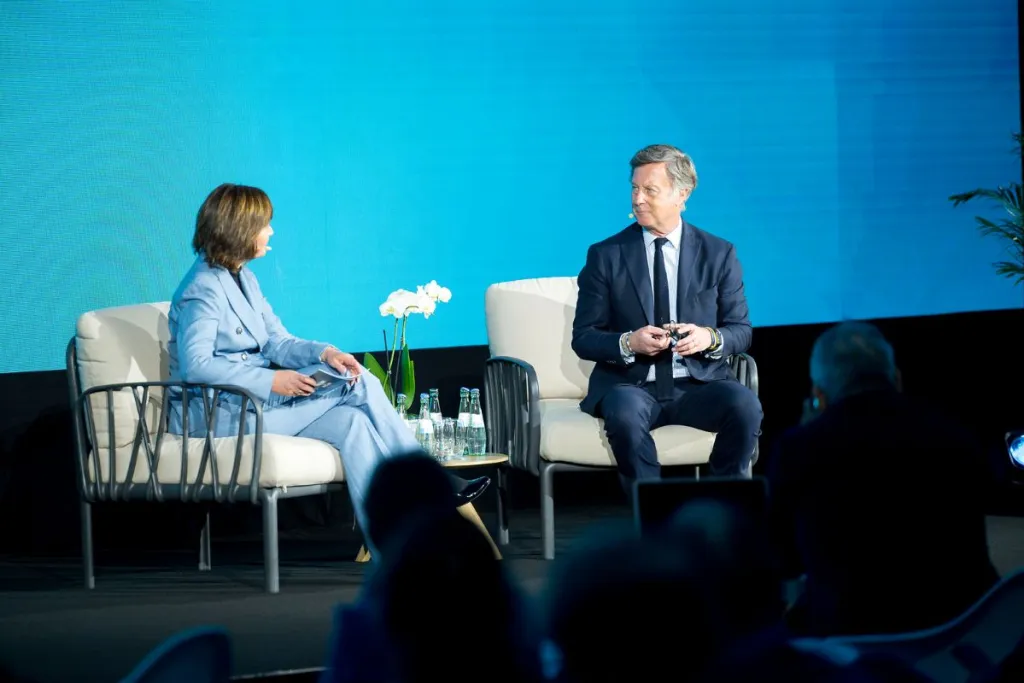
Photo Credit: Accor group Chairman & CEO Sébastien Bazin speaking on stage at IHIF EMEA in Berlin. IHIF EMEA 2026 / Simon Callaghan Photography.
Comprehensive Summarization:
Accor Group Chairman and CEO Sébastien Bazin addressed hotel operators at IHIF in Berlin, urging them to remain steadfast despite geopolitical instability reshaping travel demand. Bazin noted that while many travelers are still booking trips, they are doing so closer to departure dates with less certainty. This shift is prompting hotel groups to adapt their strategies without altering their long-term plans. He highlighted that 60% of Accor’s customer base decides on travel within 12 days of the departure date. Despite the Iran war closing airspace over the Middle East and reducing travel demand, Bazin suggested that travelers are not canceling trips but rather adjusting their plans.
Key Points:
Actionable Takeaways:
Adaptation Strategies for Hotel Groups: Hotel operators should focus on adapting their operational strategies to accommodate the shift in traveler booking patterns, such as offering flexible booking options and enhancing customer communication to manage expectations. This approach is crucial as it directly addresses the current trend of travelers booking closer to departure dates, ensuring operational efficiency and customer satisfaction.
Focus on Long-term Strategy: Despite short-term fluctuations in travel demand due to geopolitical events, hotel groups should maintain their long-term strategies. This takeaway emphasizes the importance of strategic planning and resilience in the face of external challenges, ensuring that hotel groups can weather short-term disruptions without compromising their long-term growth objectives.
Contextual Insights:
The article reflects the current state of the travel industry, where geopolitical events significantly impact travel demand and booking patterns. The shift towards last-minute bookings, driven by uncertainty and changing circumstances, underscores the need for hotel groups to be agile and responsive. This context is further enriched by the broader trend of travelers prioritizing flexibility and certainty in their travel plans, a trend that is likely to continue as geopolitical tensions persist. Additionally, the article highlights the importance of maintaining a long-term strategic vision, even when faced with short-term challenges, a principle that resonates with industry thought leaders who advocate for resilience and adaptability in the face of uncertainty.
Handling Different Article Types:
The article is a news brief, providing factual information on a specific development within the travel industry. The structured output format ensures that the key points and actionable takeaways are clearly presented, making it easy for a professional audience to digest and apply the information. The contextual insights further enrich the content by linking the article’s findings to broader industry trends and expert opinions, providing a comprehensive understanding of the current landscape.
Read the Complete Article.
Get curated travel AI insights — choose the newsletters that matter to you.
This spot is reserved for brands with a compelling story for the travel trade. They use this space to cut...
Read moreDetailsALTOUR Expands into Thailand, Strengthening Corporate Travel Network Across Southeast Asia BANGKOK, THAILAND (25 March, 2026) – ALTOUR, a leading...
Read moreDetails


Comprehensive Summarization: Accor Group Chairman and CEO Sébastien Bazin addressed hotel operators at IHIF in Berlin, urging them to remain...
Read moreDetails