
























Travel Capitalist Ventures Expands Check Size to $10 Million to Deepen Emerging Market Conviction
Boutique Travel VC raises investment cap from $1.5M to $10M to lead rounds and support portfolio companies through growth Travel...
Read moreDetails
Comprehensive Summarization:
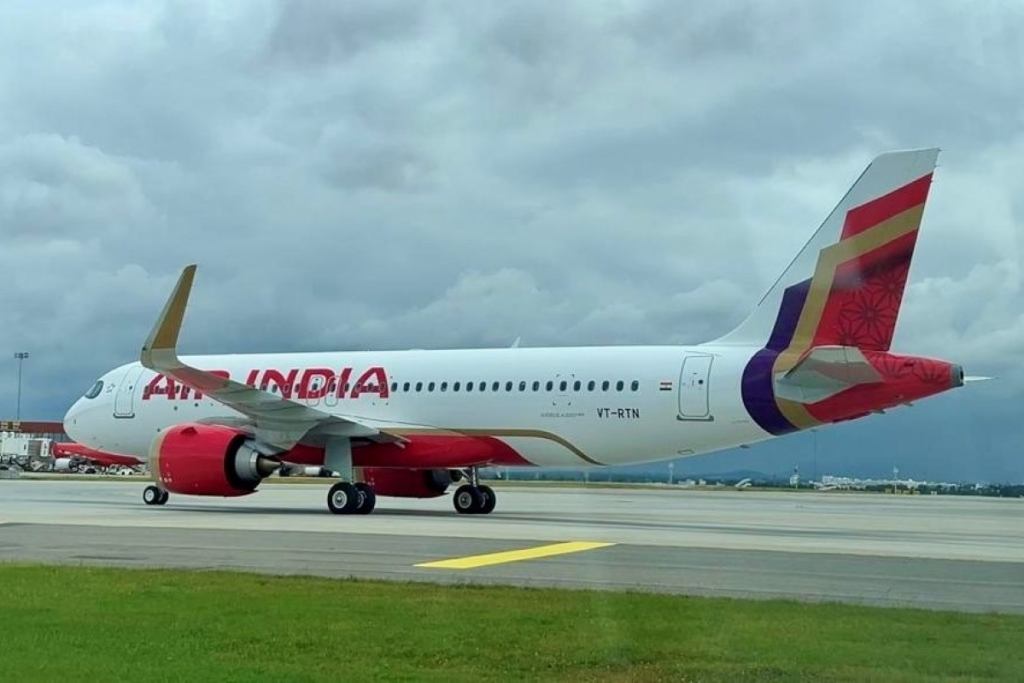
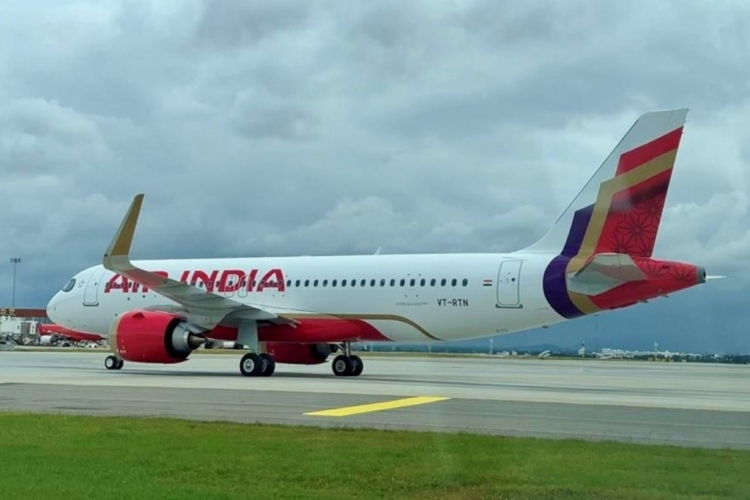
Air India Group has announced a phased expansion of a fuel surcharge across its domestic and international network, responding to a significant rise in jet fuel prices due to the ongoing Iran war. This decision, made public on Tuesday, is aimed at managing the escalating operational costs associated with aviation turbine fuel (ATF), which constitutes nearly 40% of an airline’s operating expenses. The surcharge will also be applied to Air India Express, a low-cost subsidiary of Air India Group. The company is grappling with high excise duty and value-added tax on ATF in major metropolitan areas, further complicating its cost structure. This move reflects the broader challenges faced by the aviation industry in navigating volatile fuel prices and regulatory pressures.
Key Points:
Actionable Takeaways:
Cost Management Strategy: Air India Group’s decision to introduce a fuel surcharge is a strategic move to manage rising operational costs. Airlines should regularly review and adjust their pricing strategies to mitigate the impact of volatile fuel prices, ensuring financial stability and competitiveness in the market.
Regulatory Compliance and Cost Control: The additional burden of high excise duty and value-added tax on ATF highlights the need for airlines to closely monitor regulatory changes and their financial implications. Companies should explore cost control measures, such as optimizing fuel efficiency and negotiating better terms with fuel suppliers, to offset increased tax burdens.
Market Adaptation and Innovation: The aviation industry’s response to fuel price volatility underscores the importance of innovation and adaptability. Companies should invest in technologies that enhance fuel efficiency and explore alternative energy sources to reduce dependency on volatile fuel markets. This proactive approach can lead to long-term cost savings and enhance sustainability efforts.
Contextual Insights:
The article’s context is deeply rooted in the current challenges faced by the aviation industry, particularly the impact of geopolitical events on fuel prices. The Iran war has led to supply interruptions, causing a significant escalation in jet fuel costs, which in turn affects airlines’ profitability. This situation is emblematic of the broader trend of external shocks disrupting traditional business models, a theme that resonates across various sectors, including travel tech and fintech.
In the context of travel tech, the surge in fuel costs necessitates the development of more efficient routing algorithms and real-time pricing models to help airlines optimize their operations and pass on cost savings to consumers. For fintech innovations, the increased regulatory scrutiny on fuel-related taxes presents an opportunity for startups to develop solutions that streamline tax compliance processes for airlines. These insights highlight the interconnected nature of industry challenges and the potential for technological and financial innovations to address these issues.
Overall, the article underscores the need for the travel industry to remain agile and forward-thinking in the face of external pressures, leveraging technology and strategic adjustments to navigate the complexities of modern aviation economics.
Read the Complete Article.
Boutique Travel VC raises investment cap from $1.5M to $10M to lead rounds and support portfolio companies through growth Travel...
Read moreDetails




