



















Travel Capitalist Ventures Expands Check Size to $10 Million to Deepen Emerging Market Conviction
Boutique Travel VC raises investment cap from $1.5M to $10M to lead rounds and support portfolio companies through growth Travel...
Read moreDetails
Comprehensive Summarization:
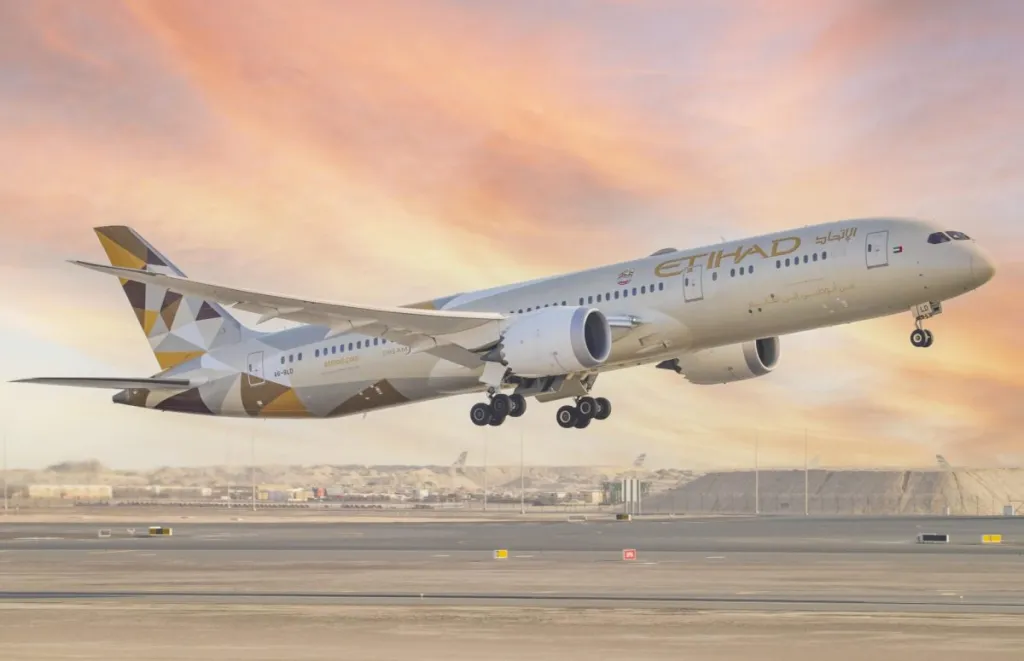
The article discusses the significant impact of the Iran conflict on the Middle East aviation sector, particularly affecting the United Arab Emirates (UAE), one of the world’s busiest aviation corridors. Airlines are imposing exorbitant fees, up to 20 times the normal fare, to facilitate the evacuation of stranded passengers. This has led to widespread disruption, with over 49,000 out of 92,000 scheduled flights canceled between February 28 and March 12. Passengers express feelings of exploitation due to these increased charges and the lack of control over their travel plans amidst the geopolitical tensions.
Key Points:
Actionable Takeaways:
Fee Transparency and Regulation: Airlines should implement transparent fee structures for evacuation services to avoid exploiting stranded passengers. Regulatory bodies could consider setting caps on evacuation fees to protect consumer interests.
Enhanced Communication with Passengers: Airlines must improve communication with passengers regarding flight cancellations and re-routing. Clear, timely updates can help manage passenger expectations and reduce feelings of exploitation.
Investment in Alternative Routes and Technologies: The aviation industry should invest in developing alternative routes and leveraging technology to minimize disruptions caused by geopolitical conflicts. This could include investing in advanced navigation systems and exploring partnerships with other airlines to reroute flights more efficiently.
Contextual Insights:
The current situation underscores the vulnerability of the aviation sector to geopolitical tensions, highlighting the need for robust contingency planning. The surge in evacuation fees reflects a challenging period for passengers, emphasizing the importance of ethical business practices in crisis management. Looking forward, the industry must focus on enhancing passenger communication and exploring innovative solutions to mitigate the impact of such disruptions. The integration of advanced technologies and strategic partnerships could play a crucial role in ensuring resilience against future geopolitical challenges.
Read the Complete Article.
Boutique Travel VC raises investment cap from $1.5M to $10M to lead rounds and support portfolio companies through growth Travel...
Read moreDetails




