










No products in the cart.
- Latest
- Trending


Australia Joins China, Germany, France, India, New Zealand, Armenia, And More Nations In Revamping V...
Comprehensive Summarization:
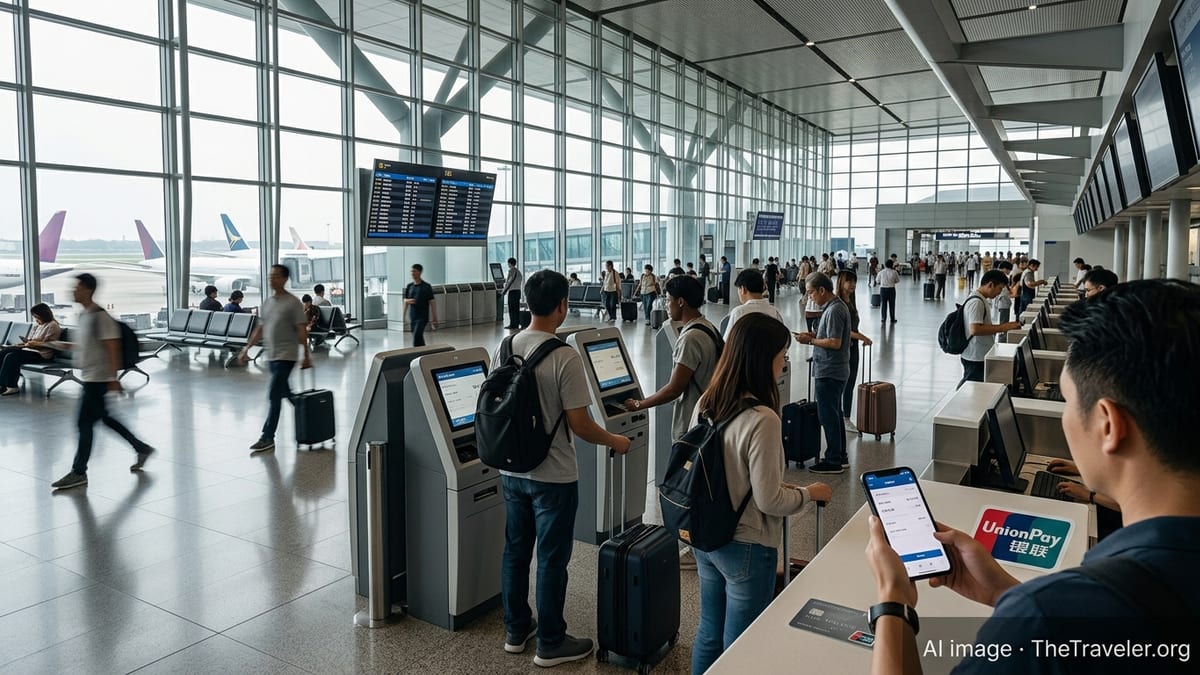
In 2026, Australia joins a growing list of nations including China, Germany, France, India, New Zealand, and Armenia in revamping their visa policies to accelerate processing times and simplify travel for global citizens. This move is part of a broader trend aimed at enhancing international connections, driving economic growth, and attracting top talent from around the world. The article highlights the advancements in digital systems, streamlined visa pathways, and reduced processing times as key factors in this transformation. The reforms reflect a concerted effort by these nations to make travel and migration easier, thereby boosting global mobility and fostering better international relations.
Key Points:
Actionable Takeaways:
Enhanced Visa Processing Efficiency: Nations are adopting digital systems and streamlined visa pathways to reduce processing times. This trend is likely to continue, making international travel more accessible and efficient for global citizens. Travel agencies and immigration consultants should focus on leveraging these digital tools to streamline their services and offer competitive processing times.
Economic Growth Through Travel: By simplifying visa processes, these nations aim to attract more tourists, students, and skilled workers. This could lead to increased economic activity, job creation, and cultural exchange. Businesses in the travel sector, including airlines, hotels, and tour operators, should capitalize on this trend by enhancing their offerings and marketing strategies to attract more international visitors.
Attracting Top Talent: The reforms are expected to make these countries more attractive to skilled workers and international students. Companies in the tech, finance, and other sectors looking to hire globally should consider these visa reforms when planning their recruitment strategies. Additionally, educational institutions can leverage these policies to attract international students, thereby enhancing their global reputation and enrollment numbers.
Contextual Insights:
The article reflects a significant shift in global travel policies, driven by the need to enhance international connectivity and economic growth. The move towards digital systems and streamlined visa processes is part of a larger trend observed in the travel industry, where innovation and efficiency are key drivers of success. Thought leaders in the travel sector have noted that such reforms not only benefit travelers but also open up new opportunities for businesses operating in the travel and tourism sector. As more nations adopt similar policies, the global travel market is poised for further expansion, with potential impacts on travel startups, fintech solutions, and other related industries. The focus on simplifying travel processes aligns with broader industry trends towards digital transformation and customer-centric services, highlighting the importance of staying ahead of these trends for professionals in the travel industry.
Read the Complete Article.
Get curated travel AI insights — choose the newsletters that matter to you.
ALTOUR Expands into Thailand, Strengthening Corporate Travel Network Across Southeast Asia BANGKOK, THAILAND (25 March, 2026) – ALTOUR, a leading...
Read moreDetails


Comprehensive Summarization: In 2026, Australia joins a growing list of nations including China, Germany, France, India, New Zealand, and Armenia...
Read moreDetails