











No products in the cart.
- Latest
- Trending


Bolivia eases travel for US and Israeli citizens
Article Summary:
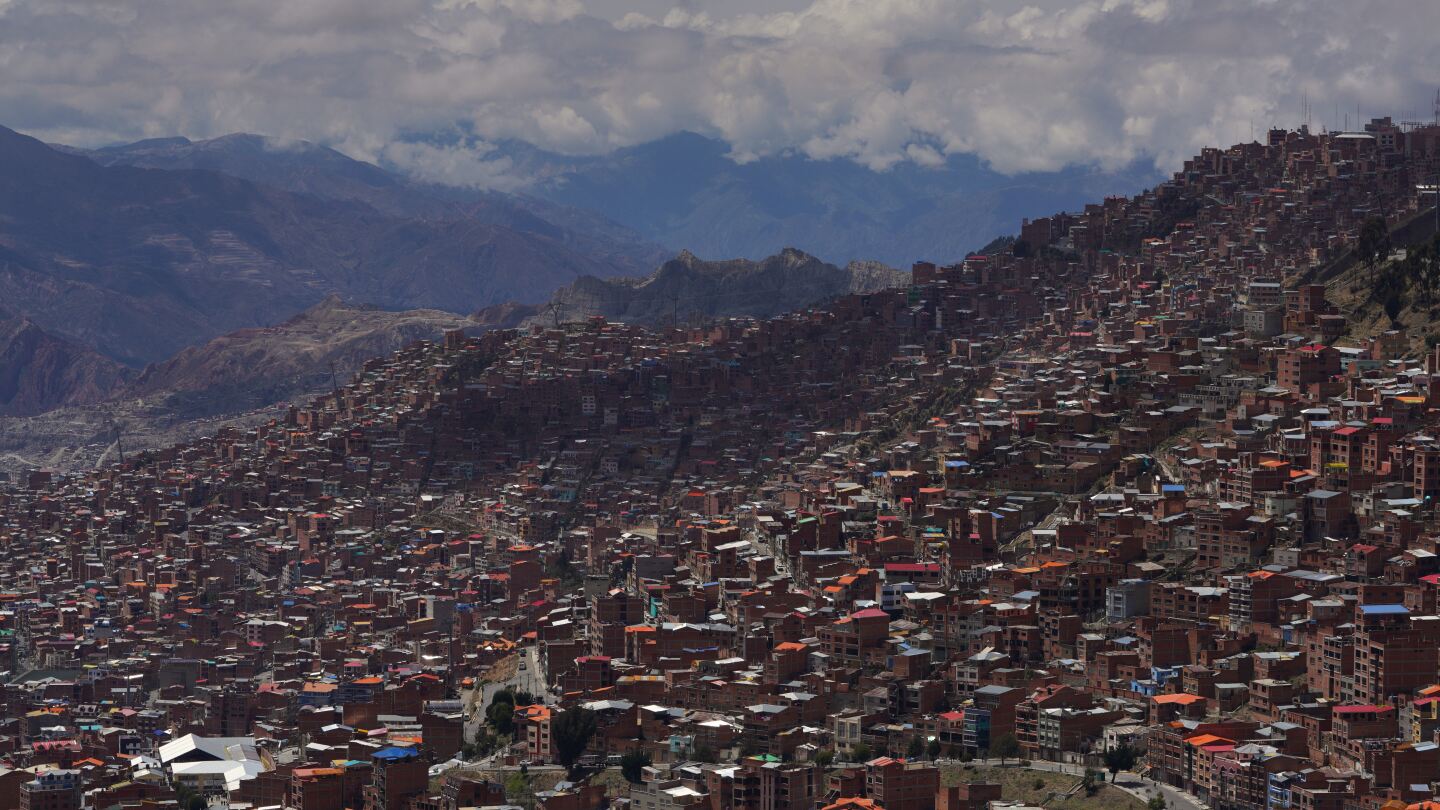
Bolivia has introduced visa-free entry for citizens of several countries, including the United States, Israel, South Korea, and South Africa, as part of a broader geopolitical and economic overhaul by President Rodrigo Paz. This change aims to make visiting Bolivia easier for travelers and highlights the country’s diverse tourist offerings, from its snow-capped peaks to the Amazon basin and the world’s largest salt flats. The move is part of a strategic initiative to attract more international visitors, particularly those who might have previously overlooked Bolivia in favor of neighboring Brazil and Peru.
Key Points:
Actionable Takeaways:
Contextual Insights:
The visa policy change in Bolivia is part of a larger trend in South American countries to enhance their appeal to international tourists. Countries like Brazil and Peru have long been popular destinations, but Bolivia’s strategic move positions it as a compelling alternative for travelers seeking diverse experiences. This aligns with the growing trend of “off-the-beaten-path” tourism, where travelers seek unique and less crowded destinations. The article also underscores the importance of leveraging geopolitical and economic reforms to drive tourism growth, a strategy increasingly adopted by countries looking to diversify their economies beyond traditional sectors like mining and agriculture. As the travel industry continues to evolve, such initiatives highlight the critical role of government policies in shaping the tourism landscape and fostering innovation in related sectors.
Read the Complete Article.
Get curated travel AI insights — choose the newsletters that matter to you.
This spot is reserved for brands with a compelling story for the travel trade. They use this space to cut...
Read moreDetailsALTOUR Expands into Thailand, Strengthening Corporate Travel Network Across Southeast Asia BANGKOK, THAILAND (25 March, 2026) – ALTOUR, a leading...
Read moreDetails


Comprehensive Summarization: The Cape Town International Jazz Festival is anticipated to significantly boost the Western Cape economy, with estimates suggesting...
Read moreDetails