









No products in the cart.
- Latest
- Trending

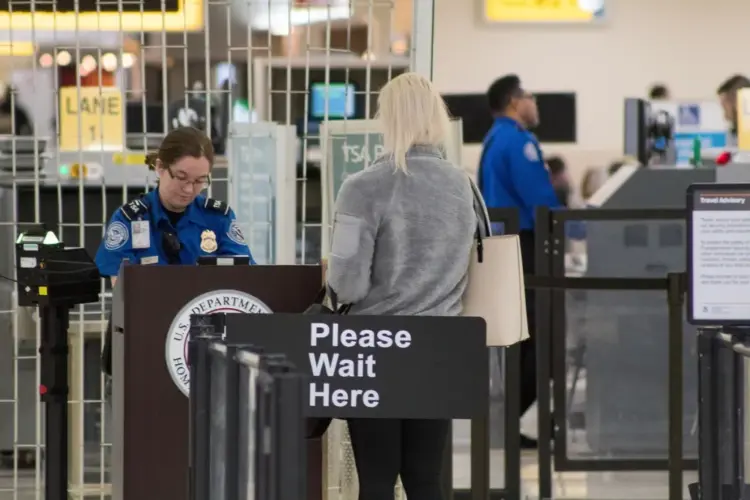
3-Hour Airport Lines and a System Under Pressure
Comprehensive Summarization:
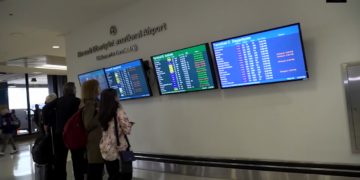
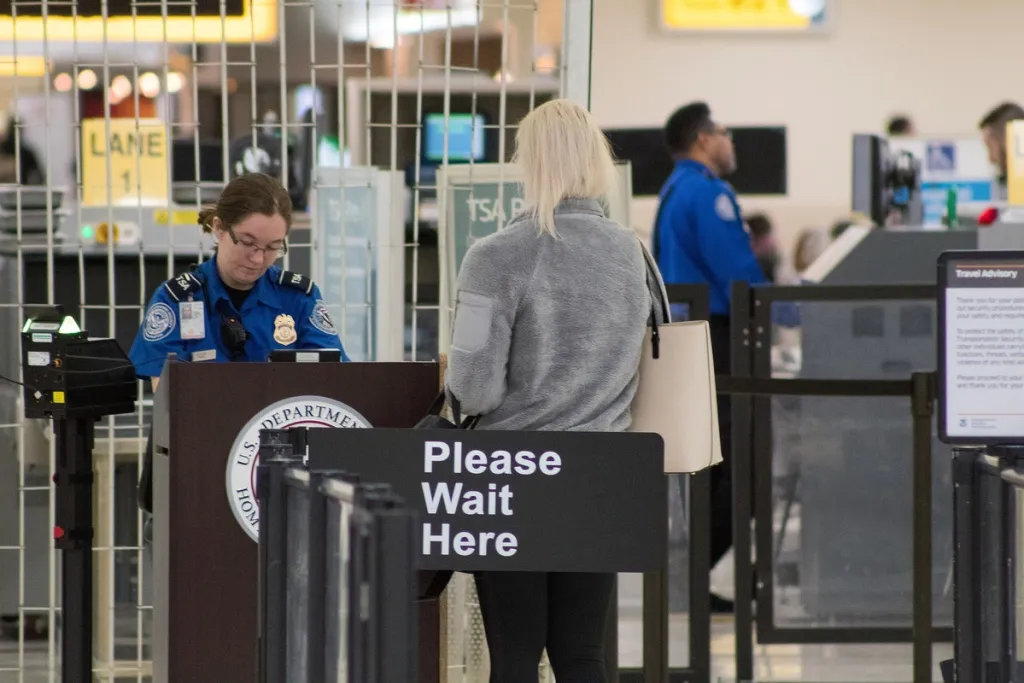
The Skift Travel Podcast episode discusses the impact of a partial government shutdown on the U.S. travel system, particularly focusing on the Transportation Security Administration (TSA). Sarah Kopit and guest host Lex Haris analyze how the shutdown is affecting TSA staffing, leading to significant wait times at some airports while others operate normally. The conversation delves into the unpredictable nature of the travel experience for passengers, exacerbated by multiple pressures such as record spring break demand, staffing shortages, and operational incidents. The discussion extends to the broader implications of these pressures on the travel industry, highlighting the need for resilience and adaptability in the face of simultaneous challenges.
Key Points:
Actionable Takeaways:
Contextual Insights:
The article reflects the current challenges faced by the U.S. travel system, particularly in light of recent government shutdowns and the heightened demand during spring break. The situation underscores the vulnerability of the travel infrastructure to simultaneous pressures, such as staffing shortages and record travel volumes. This context is crucial for understanding the broader implications for the travel industry, including the need for innovative solutions to maintain service quality and passenger satisfaction. The insights provided align with current industry trends, emphasizing the importance of adaptability and technological advancement in navigating future challenges.
Read the Complete Article.
Get curated travel AI insights — choose the newsletters that matter to you.
This spot is reserved for brands with a compelling story for the travel trade. They use this space to cut...
Read moreDetailsALTOUR Expands into Thailand, Strengthening Corporate Travel Network Across Southeast Asia BANGKOK, THAILAND (25 March, 2026) – ALTOUR, a leading...
Read moreDetails


Comprehensive Summarization: The Skift Travel Podcast episode discusses the impact of a partial government shutdown on the U.S. travel system,...
Read moreDetails