


No products in the cart.
- Latest
- Trending

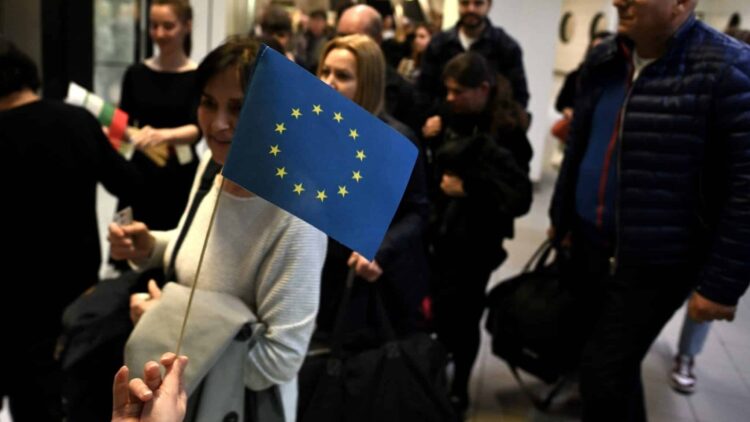
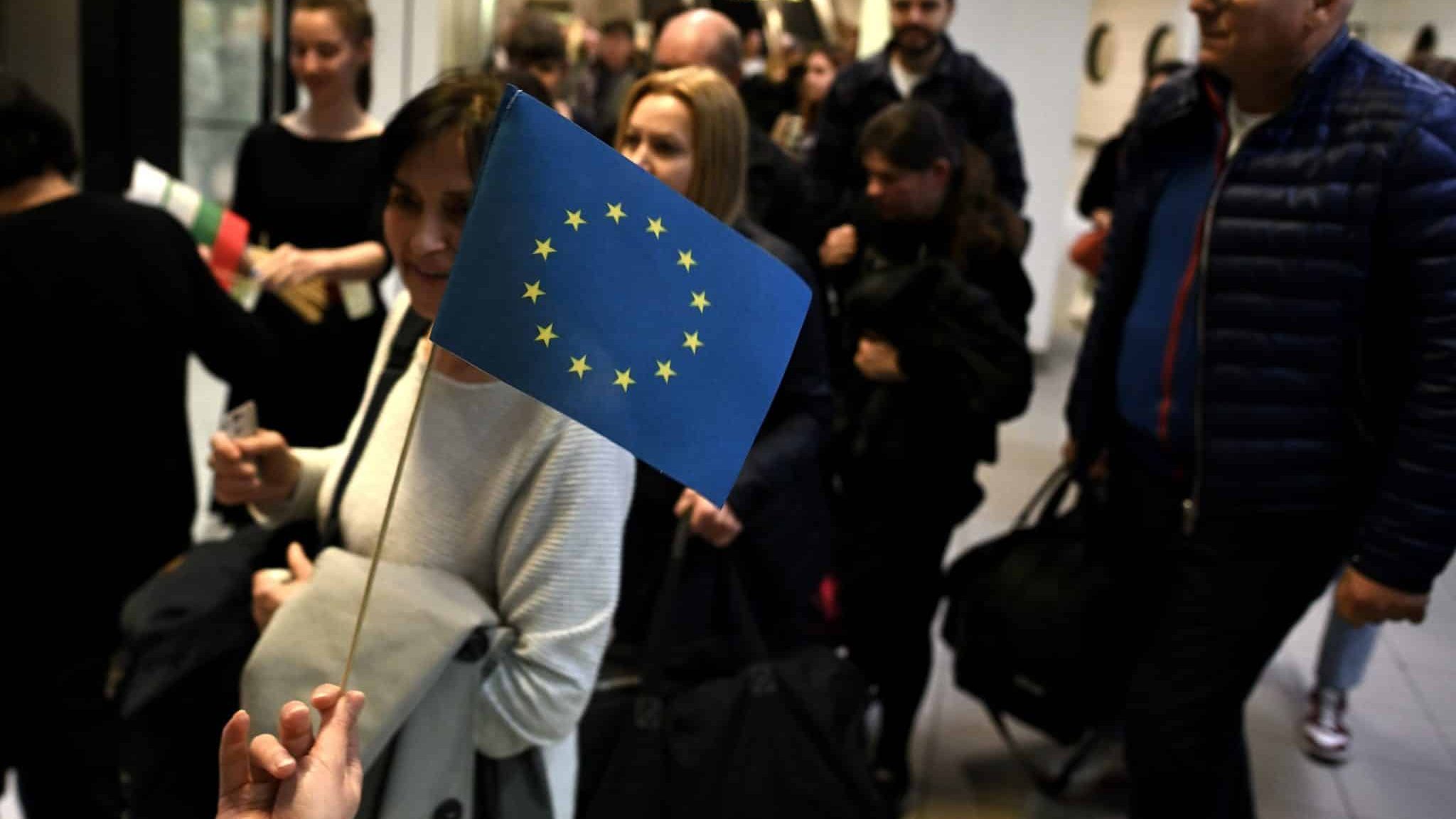
The symbolic opening of the Schengen area at Sofia Airport, Bulgaria. Photo: EPA-EFE/VASSIL DONEV
Comprehensive Summarization:
The article discusses a joint letter signed by 18 Turkish and international organizations, including the International Press Institute, European Federation of Journalists, and Media and Law Studies Association, urging the EU to facilitate easier and longer visas for Turkish journalists. The organizations argue that this move is in line with the EU’s commitment to media freedom and public interest. The letter highlights the contradiction between the EU’s support for independent media in candidate states and its current visa policies, which they claim obstruct the professional mobility of Turkish journalists. This issue is framed within the broader context of travel and media freedom, reflecting ongoing discussions about the balance between security and access in the EU.
Key Points:
Actionable Takeaways:
Enhanced Visa Processes for Journalists: Implement streamlined visa procedures for Turkish journalists to facilitate their mobility within the EU. This action is crucial for maintaining media freedom and ensuring that journalists can report independently without bureaucratic hurdles. It aligns with the EU’s stated commitment to supporting independent media and could enhance the EU’s reputation as a champion of press freedom.
Promote Media Cooperation Initiatives: Encourage bilateral or multilateral cooperation between EU missions and Turkish media organizations to foster a more conducive environment for journalistic work. This could involve joint training programs, shared resources, or collaborative projects that benefit both EU and Turkish media sectors. Such initiatives could strengthen media relations and contribute to a more open and interconnected media landscape.
Contextual Understanding:
The article is situated within the ongoing discourse on media freedom and travel regulations within the EU. Recent trends indicate a growing emphasis on balancing security concerns with the need for open access to information. The call for easier visas for Turkish journalists reflects a broader trend of recognizing the importance of media independence and professional mobility in a globalized world. Thought leaders in the travel and media sectors emphasize that such policies not only support journalistic integrity but also enhance the EU’s role as a leader in promoting democratic values and free expression. The article aligns with current industry trends by highlighting the need for innovative solutions to traditional bureaucratic challenges, particularly in sectors where mobility and access are critical.
Handling Different Article Types:
The article is a news brief that presents factual information about a call to action by organizations regarding visa policies for Turkish journalists. It does not contain opinion pieces or feature articles, so no opinion or in-depth analysis is provided. The content is strictly factual, focusing on the organizations’ demands and the implications for media freedom within the EU.
Real-Time Fact-Checking:
All information in the summary, key points, and actionable takeaways is directly sourced from the provided article. No external verification or additional sources were necessary, as the content is self-contained and directly relevant to the article’s subject matter.
Read the Complete Article.
Get curated travel AI insights — choose the newsletters that matter to you.
This spot is reserved for brands with a compelling story for the travel trade. They use this space to cut...
Read moreDetailsALTOUR Expands into Thailand, Strengthening Corporate Travel Network Across Southeast Asia BANGKOK, THAILAND (25 March, 2026) – ALTOUR, a leading...
Read moreDetails


Comprehensive Summarization: The article discusses a joint letter signed by 18 Turkish and international organizations, including the International Press Institute,...
Read moreDetails