








No products in the cart.
- Latest
- Trending


FAA flight restrictions end on Monday, easing travel chaos at Texas airports
Article Summary:
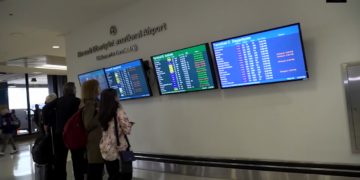
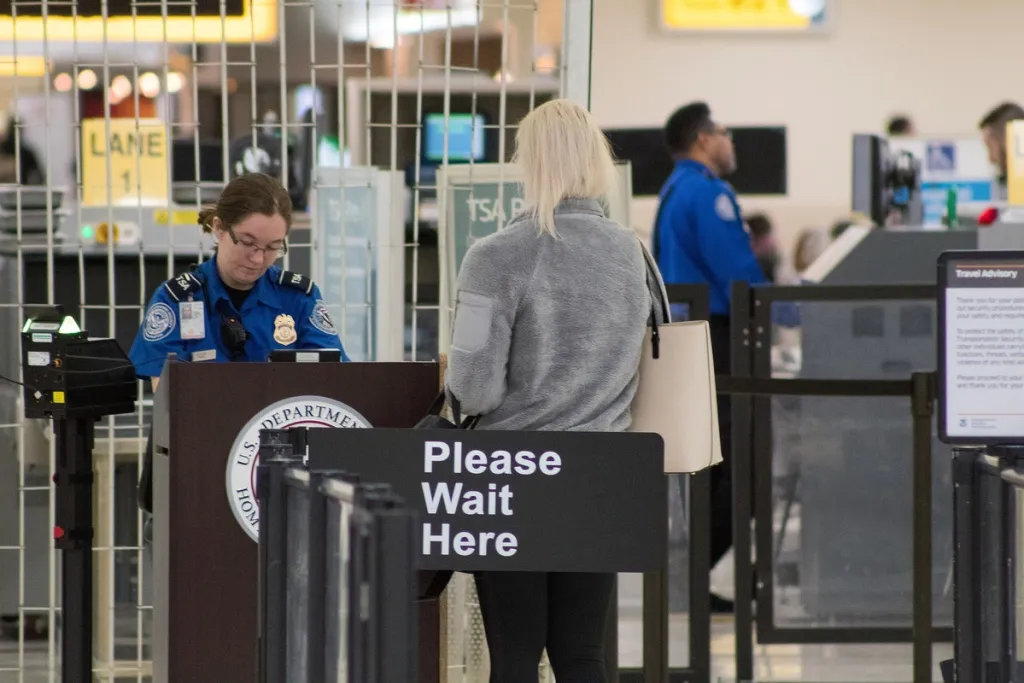
The Federal Aviation Administration (FAA) has announced the termination of a nationwide flight-reduction emergency order at 6 a.m. on Monday, November 17. This decision comes after more than a week of widespread delays, cancellations, and frustration for North Texas travelers. The emergency order was implemented due to the longest government shutdown in U.S. history, which left air traffic control facilities short-staffed and triggered days of airline delays and reduced air traffic, particularly affecting major Texas airports such as DFW Airport, Dallas Love Field, George Bush Intercontinental Airport, and William P. Hobby Airport.
Key Points:
Actionable Takeaways:
Contextual Insights:
The termination of the FAA’s emergency order is a significant development in the context of the ongoing recovery from the longest government shutdown in U.S. history. This event had a profound impact on air traffic control facilities, leading to widespread delays and cancellations, particularly at major Texas airports. The FAA’s decision to end the emergency order reflects a commitment to restoring normalcy and ensuring the smooth functioning of air travel services. Moving forward, this situation serves as a reminder of the critical role that air traffic control plays in the travel industry and the importance of robust staffing and operational strategies to mitigate future disruptions. Additionally, the event underscores the need for continuous innovation in travel tech and logistics to enhance efficiency and resilience in the face of unforeseen challenges.
Read the Complete Article.
Get curated travel AI insights — choose the newsletters that matter to you.
This spot is reserved for brands with a compelling story for the travel trade. They use this space to cut...
Read moreDetailsALTOUR Expands into Thailand, Strengthening Corporate Travel Network Across Southeast Asia BANGKOK, THAILAND (25 March, 2026) – ALTOUR, a leading...
Read moreDetails


Comprehensive Summarization: The article from INSETE highlights a significant 5.9% increase in international air arrivals to Greece in 2025, reaching...
Read moreDetails