


















Travel Capitalist Ventures Expands Check Size to $10 Million to Deepen Emerging Market Conviction
Boutique Travel VC raises investment cap from $1.5M to $10M to lead rounds and support portfolio companies through growth Travel...
Read moreDetails
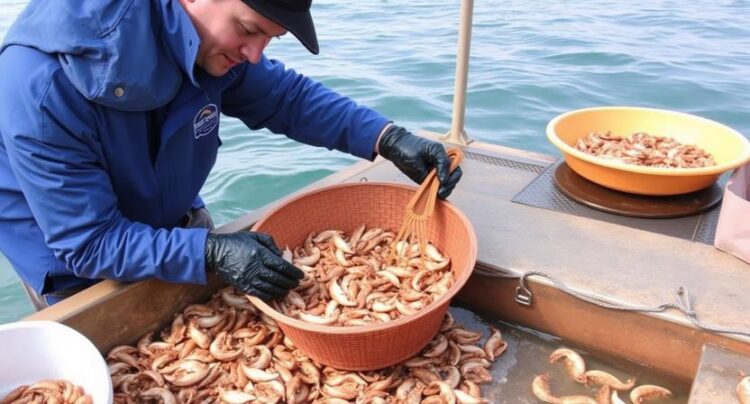
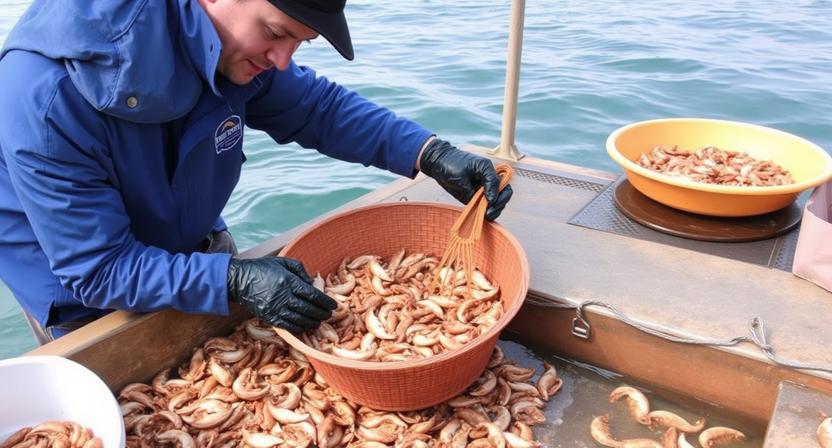
Hong Kong Launches New Social Media Trend of Harvesting Wild Seafood Raises their Eco-Tourism Concer...
Comprehensive Summarization:
The article discusses a new social media trend in Hong Kong where Chinese mainland tourists are foraging and cooking wild seafood on outlying islands, particularly in Sai Kung. This trend, popularized on the Xiaohongshu app, has raised significant concerns regarding its impact on eco-tourism, environmental damage, and potential health risks from shellfish toxins. The trend highlights a growing intersection between tourism, social media influence, and environmental sustainability, prompting discussions among environmentalists and tourism authorities about the implications for Hong Kong’s eco-tourism sector.
Key Points:
Actionable Takeaways:
Eco-Tourism Monitoring and Regulation: Authorities should implement stricter monitoring and regulation of eco-tourism activities to mitigate environmental damage. This could include setting limits on the number of tourists allowed on sensitive islands, enforcing guidelines on sustainable foraging practices, and increasing public awareness campaigns about the environmental impact of such activities.
Health and Safety Guidelines for Tourists: Given the potential health risks associated with consuming wild seafood, particularly concerning shellfish toxins, it is crucial to develop and disseminate health and safety guidelines for tourists. This could involve collaborating with health authorities to provide clear warnings about the risks, promoting the consumption of seafood from certified sources, and encouraging tourists to seek professional advice before engaging in such activities.
Leveraging Social Media for Positive Impact: The trend underscores the power of social media in shaping tourism trends. Travel companies and tourism boards could leverage platforms like Xiaohongshu to promote sustainable tourism practices, share information about eco-friendly destinations, and encourage responsible behavior among tourists. By using social media as a tool for education and advocacy, the travel industry can turn a potentially negative trend into a positive force for environmental conservation and responsible tourism.
Contextual Understanding:
The article reflects current concerns within the travel industry regarding the balance between tourism growth and environmental sustainability. The rise of social media as a catalyst for new tourism trends highlights the need for tourism authorities and stakeholders to adapt quickly to emerging behaviors and their potential impacts. The intersection of social media, tourism, and environmental concerns is a growing trend, with experts predicting that future trends will increasingly be shaped by digital platforms. Thought leaders in the travel industry emphasize the importance of integrating sustainability into tourism practices, ensuring that growth does not come at the expense of environmental health. This article serves as a timely reminder of the need for proactive measures to address the ecological and health implications of emerging tourism trends.
Read the Complete Article.
Boutique Travel VC raises investment cap from $1.5M to $10M to lead rounds and support portfolio companies through growth Travel...
Read moreDetails




