
























Travel Capitalist Ventures Expands Check Size to $10 Million to Deepen Emerging Market Conviction
Boutique Travel VC raises investment cap from $1.5M to $10M to lead rounds and support portfolio companies through growth Travel...
Read moreDetails

Comprehensive Summarization:
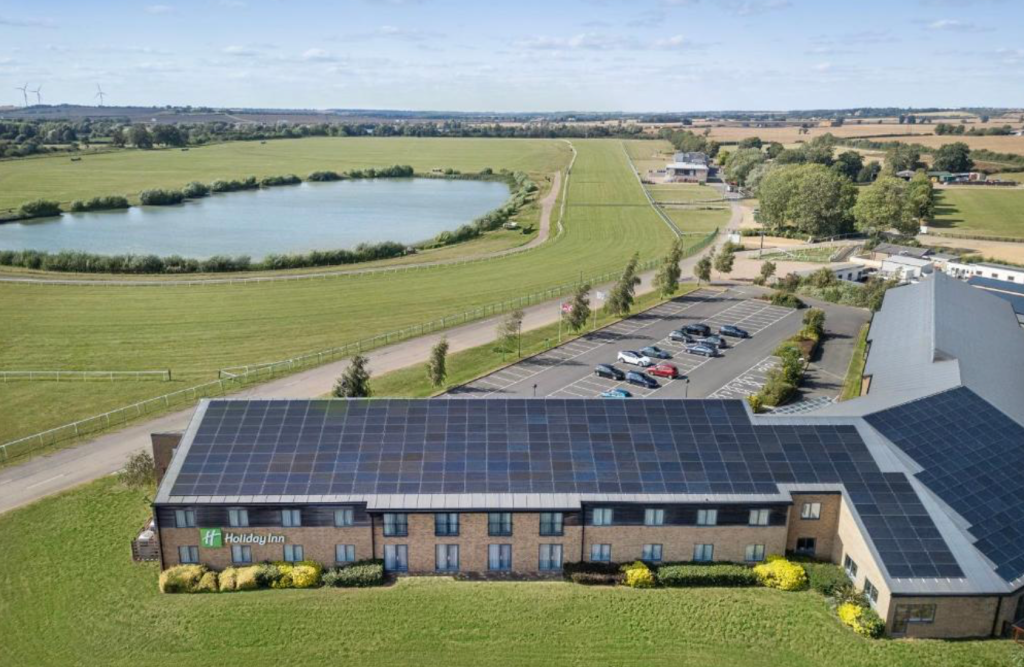
InterContinental Hotels Group (IHG) is reviewing its climate target after reporting a rise in company-wide emissions in 2025, pushing it off track to meet its own objectives. In 2021, IHG set a science-backed goal to cut Scope 1, 2, and 3 emissions by 46% by 2030 from a 2019 baseline. However, emissions have since increased from 6,245,072 tonnes of CO2 in 2019 to 6,723,559 tonnes in 2025, a rise of nearly 480,000 tonnes or 7.7%. The company attributes this increase to the absence of clean energy infrastructure in many of its markets and rapid network expansion. As a result, a target review will be completed during 2026. IHG attributes this rise to the lack of clean energy infrastructure in many markets and rapid network expansion.
Key Points:
Actionable Takeaways:
Contextual Insights:
The rise in emissions at IHG underscores the broader challenges faced by the travel industry in achieving sustainability goals. The absence of clean energy infrastructure and rapid network expansion are significant barriers that many companies face. This situation highlights the urgent need for the industry to adopt sustainable practices and invest in green technologies. As the travel industry continues to recover and expand, companies must prioritize sustainability to meet regulatory requirements, meet consumer expectations, and contribute to global climate goals. The insights from IHG’s experience can guide other travel companies in developing effective strategies to reduce their environmental impact and foster a more sustainable future.
Read the Complete Article.
Boutique Travel VC raises investment cap from $1.5M to $10M to lead rounds and support portfolio companies through growth Travel...
Read moreDetails




