





No products in the cart.
- Latest
- Trending

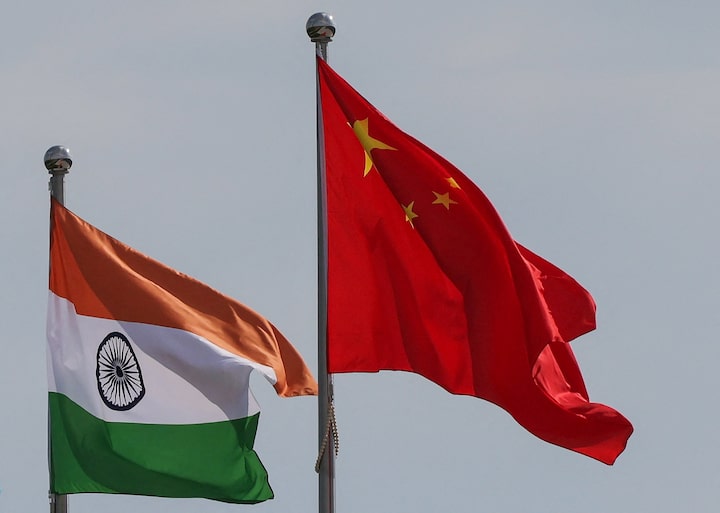
India speeds up visas for Chinese professionals
Article Summary:
India has recently eased visa restrictions for Chinese business professionals, a move aimed at improving bilateral ties and addressing production delays due to a shortage of skilled technicians. This policy shift, which has reduced visa approval times to under four weeks, comes after years of strict scrutiny following the 2020 Himalayan border clashes. The easing of visa restrictions is expected to significantly benefit Indian electronics manufacturers, who have lost an estimated $15 billion in output over four years due to visa-related delays. This development is particularly relevant as Prime Minister Narendra Modi recalibrates relations with Beijing amid new U.S. tariffs on Indian goods.
Key Points:
Actionable Takeaways:
Contextual Insights:
The visa policy shift reflects India’s strategic efforts to enhance its economic ties with China, a critical market for Indian industries. This move aligns with broader trends of globalization and the need for smoother cross-border business operations. In the context of current travel industry trends, such as the increasing importance of streamlined processes and regulatory clarity, this development underscores the value of policy adjustments in fostering international cooperation. For travel startups and fintech innovations, the improved visa situation presents an opportunity to explore new markets and enhance cross-border financial services, potentially leading to innovative solutions in visa processing and international business facilitation.
Read the Complete Article.
Get curated travel AI insights — choose the newsletters that matter to you.
This spot is reserved for brands with a compelling story for the travel trade. They use this space to cut...
Read moreDetailsALTOUR Expands into Thailand, Strengthening Corporate Travel Network Across Southeast Asia BANGKOK, THAILAND (25 March, 2026) – ALTOUR, a leading...
Read moreDetails


Comprehensive Summarization: The UN peacekeeping mission in the Democratic Republic of Congo (MONUSCO) has issued a warning that hostilities between...
Read moreDetails