







No products in the cart.
- Latest
- Trending

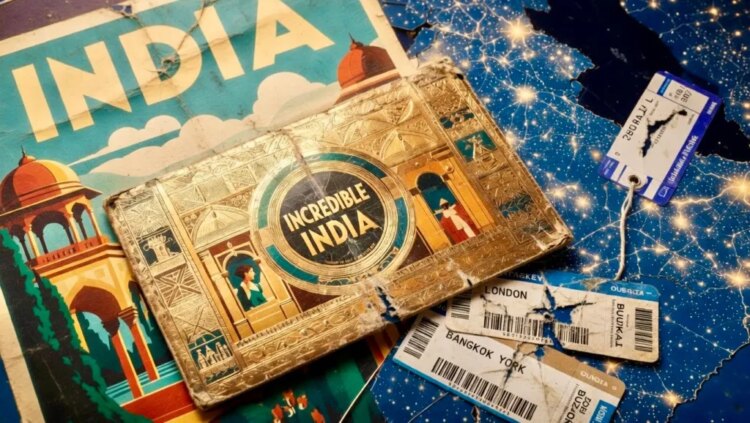
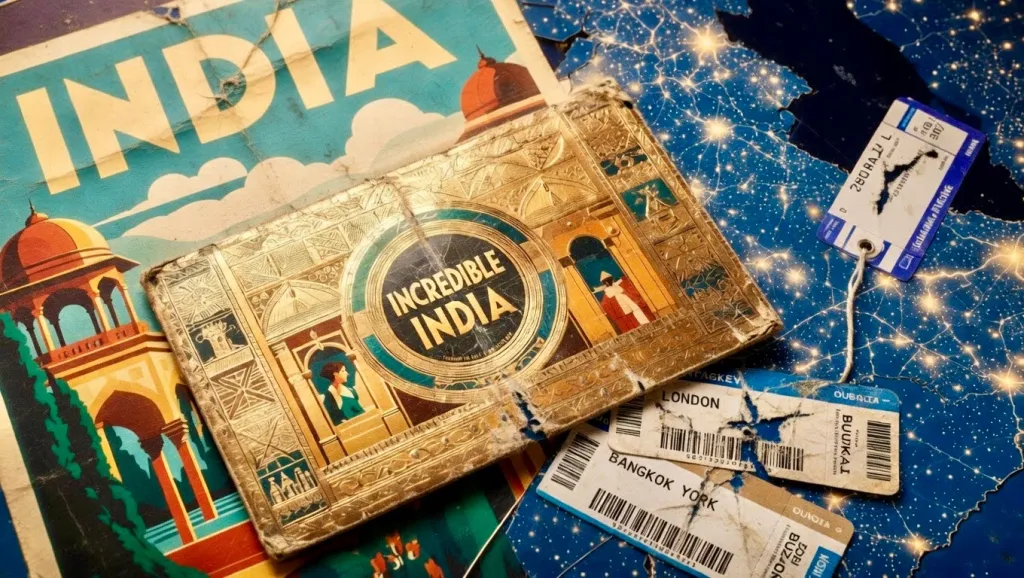
Photo Credit: The Incredible India marketing campaign was created in 2002. Skift
Delhi, India — 2023
In short: Amitabh Kant, former India’s Ministry of Tourism bureaucrat, spearheaded the “Incredible India” campaign in 2002 that positioned India as a diverse travel destination.
According to Skift, the campaign, created by Kant and Ogilvy & Mather, transformed India’s tourism narrative from one of spiritual curiosity and poverty to one encompassing temples, tigers, backwaters, palaces, and the Taj. It provided travelers with a cohesive identity for a country previously lacking a clear tourism brand. Kant later rose to lead the Ministry of Tourism.
The campaign established a benchmark for national tourism branding, filling a gap in India’s international perception. It positioned India as a destination with varied attractions, differentiating it from competitors that offered more homogeneous experiences. This approach addressed the “chaos” of a vast country by framing it as “incredible,” a gentle apology for its diversity.
TMCs managing Indian accounts should leverage the “Incredible India” narrative to market the country’s diverse offerings, emphasizing the campaign’s success in creating a recognizable brand. Airport lounge operators in major Indian cities can highlight the campaign’s legacy in their branding to attract travelers seeking a culturally rich experience. The campaign’s enduring appeal suggests that India’s varied attractions remain a key selling point for international tourists.
What is the “Incredible India” campaign?
A branding initiative launched in 2002 by Amitabh Kant and Ogilvy & Mather to position India as a diverse travel destination, featuring landmarks like temples, tigers, backwaters, palaces, and the Taj.
Which travel trade segments does this affect?
TMCs managing Indian accounts, airport lounge operators in major Indian cities, and travel agencies promoting cultural tourism.
When does this legacy continue to impact?
The campaign’s influence persists, as it continues to shape India’s international tourism perception and attract diverse traveler segments.
Reference:Source.
Get curated travel AI insights — choose the newsletters that matter to you.
ALTOUR Expands into Thailand, Strengthening Corporate Travel Network Across Southeast Asia BANGKOK, THAILAND (25 March, 2026) – ALTOUR, a leading...
Read moreDetails


Delhi, India — 2023 In short: Amitabh Kant, former India’s Ministry of Tourism bureaucrat, spearheaded the “Incredible India” campaign in...
Read moreDetails