








No products in the cart.
- Latest
- Trending

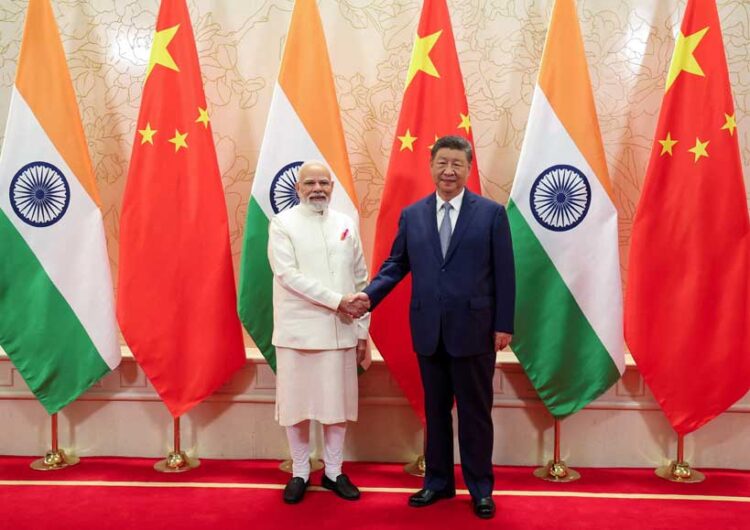
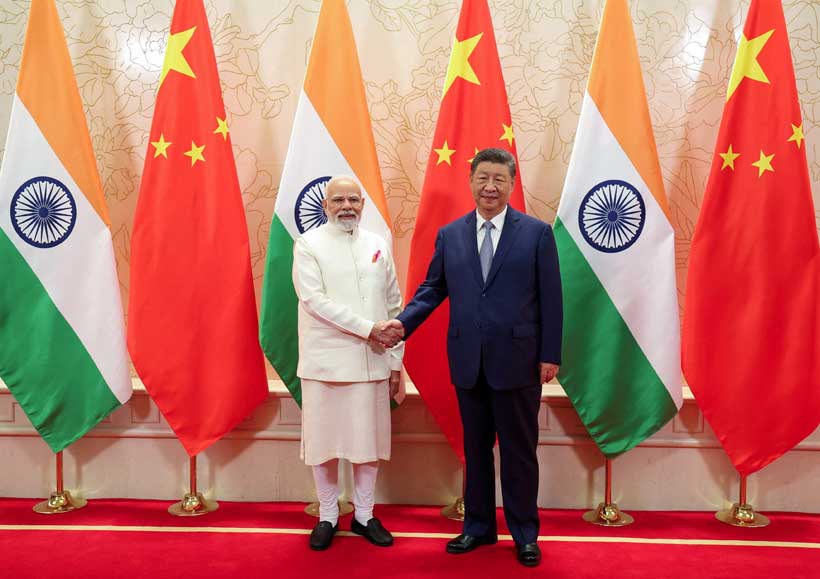
India's Prime Minister Narendra Modi shakes hands with Chinese President Xi Jinping during a meeting on the sidelines of Shanghai Cooperation Organisation (SCO) Summit in Tianjin, China, August 31, 2025. India's Press Information Bureau/Handout via REUTERS
Article Summary:
India has recently eased visa restrictions for Chinese professionals, significantly reducing administrative vetting and approval times to under four weeks. This move comes after years of strict scrutiny following the 2020 border clashes between the two nations. The easing of visa restrictions is a strategic and economic shift for India, aiming to unclog supply chains, support its fast-growing electronics and manufacturing sectors, and reassure investors. The change occurs at a time when India faces economic and diplomatic pressure, including U.S. tariffs on Indian goods and penalties for Russian oil purchases. Additionally, production losses from a shortage of Chinese technicians, estimated at $15 billion over four years, have impacted India’s electronics and solar industries. Beijing has welcomed this “positive action,” signaling a tentative thaw in relations, with both sides restarting direct flights and exploring investment cooperation.
Key Points:
Actionable Takeaways:
Enhanced Business Relations: The visa relaxation is expected to enhance business relations between India and China, potentially leading to increased investment and collaboration in sectors like electronics and solar energy. This could be a strategic move for companies looking to expand their operations in these sectors.
Economic Growth Opportunities: With the reduction in visa processing times, Indian businesses can now more easily collaborate with Chinese professionals, potentially leading to increased economic growth in sectors such as manufacturing and technology. This could also open up new opportunities for startups and fintech innovations in the travel and logistics sectors.
Strategic Diplomacy: The easing of visa restrictions signals a positive shift in diplomatic relations between India and China. This could lead to further bilateral agreements and cooperation, benefiting various sectors, including travel and tourism, by facilitating smoother interactions and partnerships.
Contextual Insights:
The visa relaxation for Chinese professionals in India is a significant development in the context of strained bilateral relations between the two nations. Following the 2020 border clashes, India had imposed severe restrictions on Chinese nationals, which had a ripple effect on various sectors, including electronics and solar industries, due to the shortage of Chinese technicians. The reduction in visa processing times is a strategic move by India to boost its economy and diplomatic relations, signaling a shift towards more open and cooperative policies. This move aligns with the broader trend of countries seeking to strengthen ties with neighboring nations, especially in the wake of geopolitical tensions. For the travel industry, this could mean improved connectivity and collaboration opportunities between Indian and Chinese stakeholders, potentially leading to innovative travel solutions and services. Additionally, the easing of visa restrictions could stimulate investment in travel tech startups, as businesses look to capitalize on the growing opportunities in both countries.
Read the Complete Article.
Get curated travel AI insights — choose the newsletters that matter to you.
This spot is reserved for brands with a compelling story for the travel trade. They use this space to cut...
Read moreDetailsALTOUR Expands into Thailand, Strengthening Corporate Travel Network Across Southeast Asia BANGKOK, THAILAND (25 March, 2026) – ALTOUR, a leading...
Read moreDetails


Comprehensive Summarization: Thailand has announced a new air arrival fee for international tourists as part of a major overhaul aimed...
Read moreDetails