






















Travel Capitalist Ventures Expands Check Size to $10 Million to Deepen Emerging Market Conviction
Boutique Travel VC raises investment cap from $1.5M to $10M to lead rounds and support portfolio companies through growth Travel...
Read moreDetails

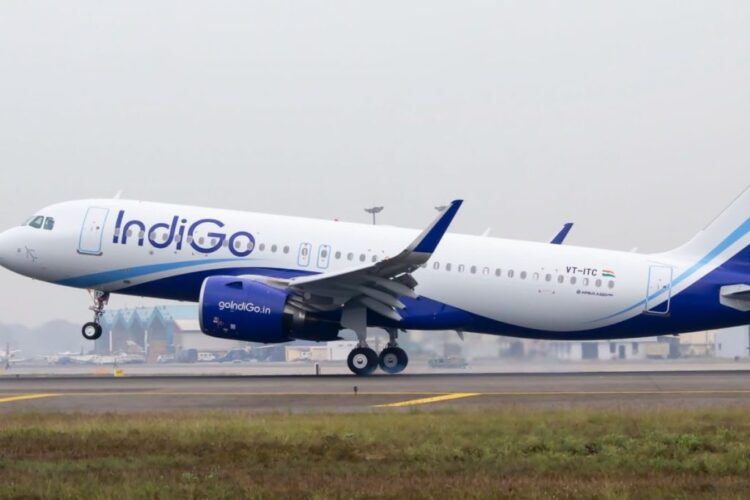
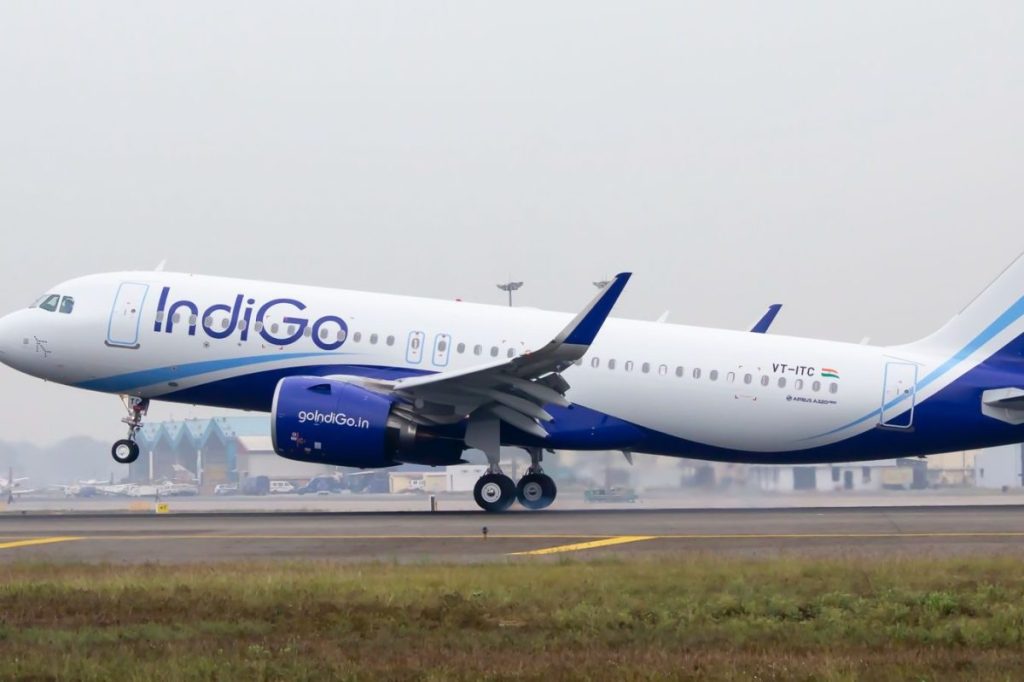
Photo Credit: An IndiGo A320 Neo aircraft. IndiGo
Comprehensive Summarization:
The article reports that Indian airlines incurred a loss of nearly INR 53 billion ($576 million) in the 2024-25 financial year, marking a significant increase from the INR 9.2 billion ($100.8 million) losses reported in the previous year. Despite a 7.7% growth in domestic air passenger traffic during the same period, the losses were attributed to factors such as seat occupancy, fuel costs, aircraft capacity, and seasonal fluctuations. Indian Minister of State for Civil Aviation, Murlidhar Mohol, highlighted these factors as key contributors to the financial strain. The article also references ongoing discussions and statements from the minister, providing a snapshot of the current financial challenges faced by the Indian airline industry amidst growing passenger numbers.
Key Points:
Actionable Takeaways:
Contextual Insights:
The financial challenges faced by Indian airlines highlight the broader economic pressures within the travel industry, particularly in a market experiencing both growth and volatility. The 7.7% increase in domestic air passenger traffic underscores a positive trend in travel demand, yet the significant rise in losses points to underlying operational and financial inefficiencies. This scenario is reflective of a larger industry trend where growth in passenger numbers does not always translate to profitability, especially when faced with rising operational costs such as fuel and maintenance. For travel startups and fintech innovations, this context emphasizes the need for innovative solutions in cost management, revenue optimization, and financial forecasting. The insights from industry thought leaders suggest that embracing technology-driven solutions for operational efficiency and financial planning will be pivotal for sustained growth and profitability in the travel sector.
Read the Complete Article.
Boutique Travel VC raises investment cap from $1.5M to $10M to lead rounds and support portfolio companies through growth Travel...
Read moreDetails




