





















Travel Capitalist Ventures Expands Check Size to $10 Million to Deepen Emerging Market Conviction
Boutique Travel VC raises investment cap from $1.5M to $10M to lead rounds and support portfolio companies through growth Travel...
Read moreDetails

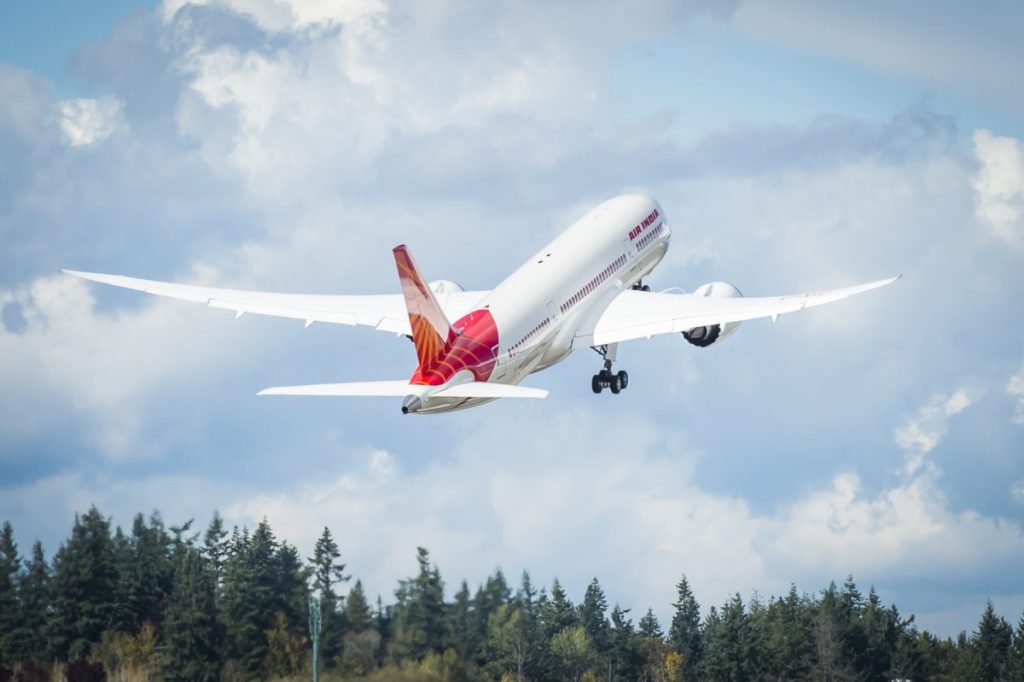
Photo Credit: A file image of an Air India Boeing 787-8. Air India
Comprehensive Summarization:
The Indian government has introduced several reforms aimed at enhancing the passenger experience and reducing costs in the aviation sector. The Ministry of Civil Aviation has mandated that 60% of seats on flights must be available for free seat selection, up from the current 20%. These reforms, issued by the Directorate General of Civil Aviation (DGCA), are designed to ensure fair access to seat selection for passengers. The reforms are part of a broader effort to make air travel more affordable and convenient, aligning with the government’s passenger-first approach.
Key Points:
Actionable Takeaways:
Increased Seat Availability for Free Selection: Airlines should prioritize implementing the new regulation to ensure at least 60% of seats are available for free seat selection. This move is expected to enhance passenger convenience and satisfaction, potentially leading to increased bookings and loyalty. By complying with this regulation, airlines can position themselves as more passenger-friendly, which may attract a broader customer base and improve market competitiveness.
Enhanced Passenger Experience: The reforms signal a shift towards a more passenger-centric approach in the aviation industry. Airlines should leverage this opportunity to invest in user-friendly booking platforms and customer service enhancements. By focusing on improving the booking experience, airlines can differentiate themselves in a crowded market, potentially leading to increased customer retention and positive word-of-mouth referrals.
Contextual Insights:
The introduction of these reforms reflects a broader trend in the travel industry towards passenger-centric policies, driven by increasing competition and a growing emphasis on customer satisfaction. As airlines strive to differentiate themselves, initiatives that enhance the passenger experience, such as flexible seat selection, are becoming increasingly important. This shift aligns with the growing demand for transparency and convenience in travel bookings, particularly in a post-pandemic world where travelers are more discerning and value-driven. Furthermore, the reforms underscore the importance of regulatory frameworks in shaping industry standards and ensuring that airlines prioritize passenger welfare. As the travel sector continues to evolve, such regulatory measures will likely play a crucial role in fostering innovation and maintaining high service standards.
Read the Complete Article.
Boutique Travel VC raises investment cap from $1.5M to $10M to lead rounds and support portfolio companies through growth Travel...
Read moreDetails



Comprehensive Summarization: The article reports on the recent US-Iran ceasefire, which is contributing to a rebound in global tourism. This...
Read moreDetails
