



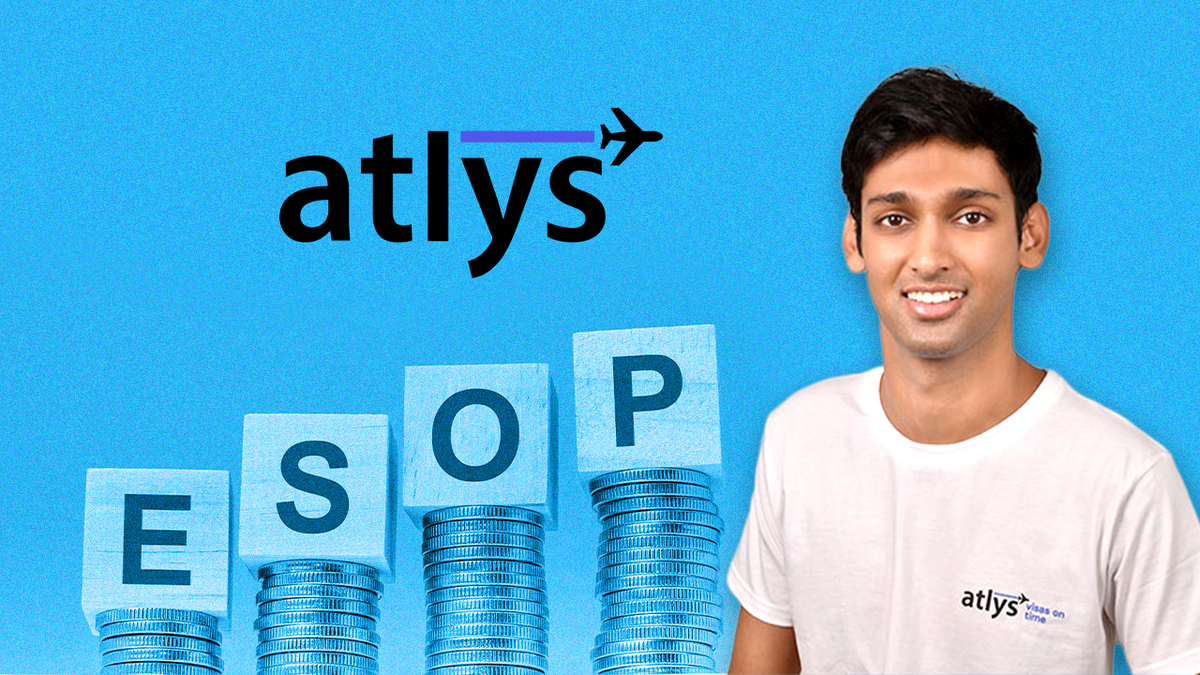















Travel Capitalist Ventures Expands Check Size to $10 Million to Deepen Emerging Market Conviction
Boutique Travel VC raises investment cap from $1.5M to $10M to lead rounds and support portfolio companies through growth Travel...
Read moreDetails
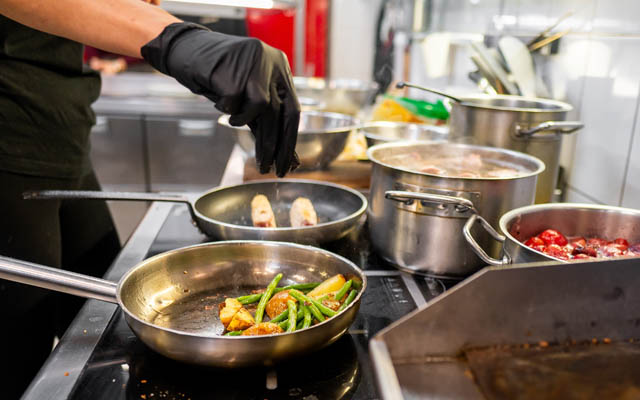
Hotels in India are turning to electric appliances such as induction cooktops as disruptions in commercial LPG supply affect kitchen operations
Comprehensive Summarization:
The article discusses the impact of the US-Iran conflict on global energy supply chains, specifically focusing on the disruption of commercial LPG supplies in India. This disruption is causing operational uncertainty for the hospitality industry, as hotels heavily rely on commercial LPG for cooking and other operations. Arindam C Bahel, the general manager of The Fern Brentwood Resort Mussoorie, highlights that even short disruptions in LPG supply can significantly affect hotel operations. In response to these challenges, some hotels are turning to electric appliances such as induction cooktops to mitigate the impact of LPG shortages.
Key Points:
Actionable Takeaways:
Adopt Alternative Cooking Solutions: Hotels facing LPG shortages should consider investing in electric cooking appliances such as induction cooktops. This transition can help maintain operational efficiency and reduce dependency on volatile LPG supplies. The relevance of this takeaway lies in its direct response to the immediate operational challenges posed by the LPG crisis, ensuring that hotels can continue to serve guests without significant disruptions.
Monitor Supply Chain Vulnerabilities: The article underscores the vulnerability of supply chains to geopolitical events. Hotels and other hospitality businesses should implement robust supply chain risk management strategies to anticipate and mitigate the impact of future disruptions. This proactive approach can safeguard against operational uncertainties and ensure business continuity, particularly in regions prone to geopolitical tensions.
Invest in Energy-Efficient Technologies: The shift towards electric appliances like induction cooktops represents a broader trend towards energy efficiency in the hospitality sector. Hotels should explore and invest in similar technologies to reduce operational costs and environmental impact. This takeaway is relevant as it aligns with current industry trends towards sustainability and cost management, offering hotels a forward-looking strategy to adapt to changing supply conditions.
Contextual Understanding:
The article is situated within the context of heightened geopolitical tensions between the US and Iran, which have led to supply chain disruptions across various sectors, including energy and hospitality. The reliance of the Indian hospitality industry on commercial LPG highlights the sector’s vulnerability to such disruptions. The adoption of electric appliances by some hotels reflects a broader industry trend towards diversifying energy sources to ensure operational resilience. This context is crucial for understanding the urgency and relevance of the recommendations provided, as it situates the challenges and solutions within the current global landscape.
Handling Different Article Types:
The article is a news brief that provides factual information about a current issue affecting the travel industry. The summarization, key points, and actionable takeaways are structured to reflect the factual nature of the content, ensuring that the information is clear, concise, and directly sourced from the article. The contextual insights draw on broader industry trends and expert opinions to provide a forward-looking perspective, enhancing the article’s relevance for a professional audience.
Real-Time Fact-Checking:
All information presented in the summary, key points, and actionable takeaways is directly sourced from the article, ensuring that the content is accurate and reliable. No external verification was necessary, as the article provides comprehensive and up-to-date information on the topic.
Read the Complete Article.
Boutique Travel VC raises investment cap from $1.5M to $10M to lead rounds and support portfolio companies through growth Travel...
Read moreDetails



Comprehensive Summarization: Keturah Resort, currently under development in Dubai, is poised to enhance the UAE’s reputation as a wellness destination....
Read moreDetails
