























Travel Capitalist Ventures Expands Check Size to $10 Million to Deepen Emerging Market Conviction
Boutique Travel VC raises investment cap from $1.5M to $10M to lead rounds and support portfolio companies through growth Travel...
Read moreDetails
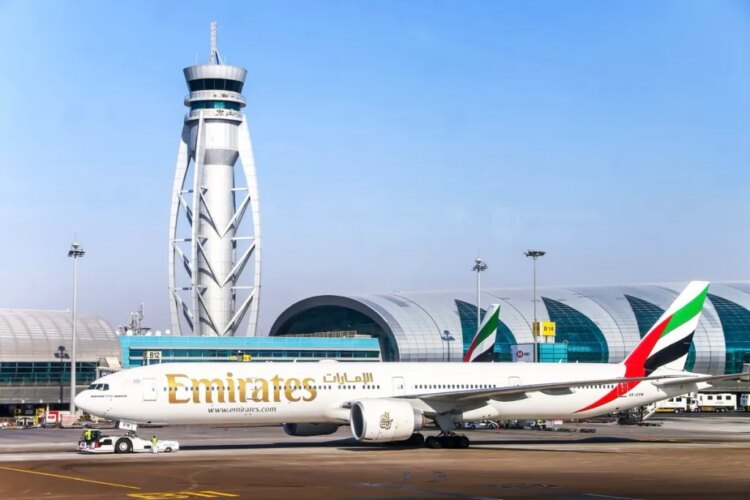
Photo Credit: An Emirates Boeing 777 taxiing in the Dubai International Airport. Adobe Stock / art_zzz
Comprehensive Summarization:
This article from Skift’s special weekend edition of The Daily newsletter discusses the six-year anniversary of the Covid pandemic’s impact on global travel. The anniversary is marked by another crisis in the Middle East, highlighting the industry’s ongoing challenges in absorbing lessons learned from previous disruptions. Skift spent the week reporting on various aspects of this story, including airfares, airline policies, the Online Travel Agency (OTA) rebooking mess, the role of AI, and the broader question of whether post-pandemic investments have been effective. The article emphasizes the need for the travel industry to learn from past crises and adapt to new challenges.
Key Points:
Actionable Takeaways:
Invest in Resilience and Adaptability: The travel industry must prioritize building resilience and adaptability to better handle future disruptions. This includes investing in flexible booking systems, robust AI technologies, and contingency plans for crises like geopolitical conflicts. Relevance: Ensures the industry can withstand and recover from future crises, maintaining customer trust and operational continuity.
Leverage AI and Technology: The article highlights the role of AI in managing rebooking processes and other aspects of travel. Travel companies should continue to invest in AI and other technological advancements to streamline operations, improve customer experience, and mitigate risks associated with unforeseen events. Relevance: AI and technology are crucial for enhancing operational efficiency and customer satisfaction in a rapidly changing industry.
Focus on Post-Pandemic Investments: The article raises questions about the effectiveness of post-pandemic investments in the travel industry. Stakeholders should evaluate the impact of these investments and ensure they are aligned with current market conditions and emerging trends. Relevance: Ensures that investments are strategically directed towards areas that will drive growth and resilience in the post-pandemic era.
Contextual Insights:
The article’s context is deeply rooted in the ongoing challenges faced by the travel industry post-Covid. The recent crisis in the Middle East serves as a reminder of the industry’s vulnerability to geopolitical tensions and the need for continuous learning and adaptation. The integration of AI and other technological solutions is crucial for navigating these challenges. Furthermore, the article prompts a critical examination of post-pandemic investments to ensure they are strategically aligned with current market dynamics and future-proof the industry against unforeseen disruptions. By focusing on resilience, technological innovation, and strategic investments, the travel industry can better position itself to thrive in an increasingly unpredictable global landscape.
Read the Complete Article.
Boutique Travel VC raises investment cap from $1.5M to $10M to lead rounds and support portfolio companies through growth Travel...
Read moreDetails




