






















Travel Capitalist Ventures Expands Check Size to $10 Million to Deepen Emerging Market Conviction
Boutique Travel VC raises investment cap from $1.5M to $10M to lead rounds and support portfolio companies through growth Travel...
Read moreDetails

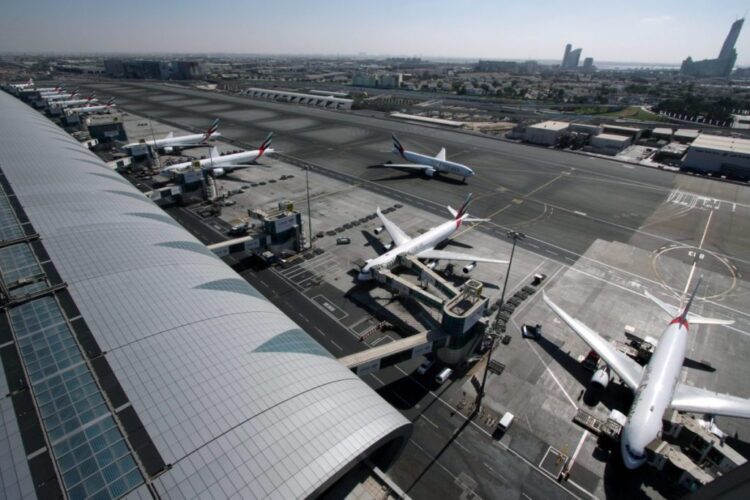
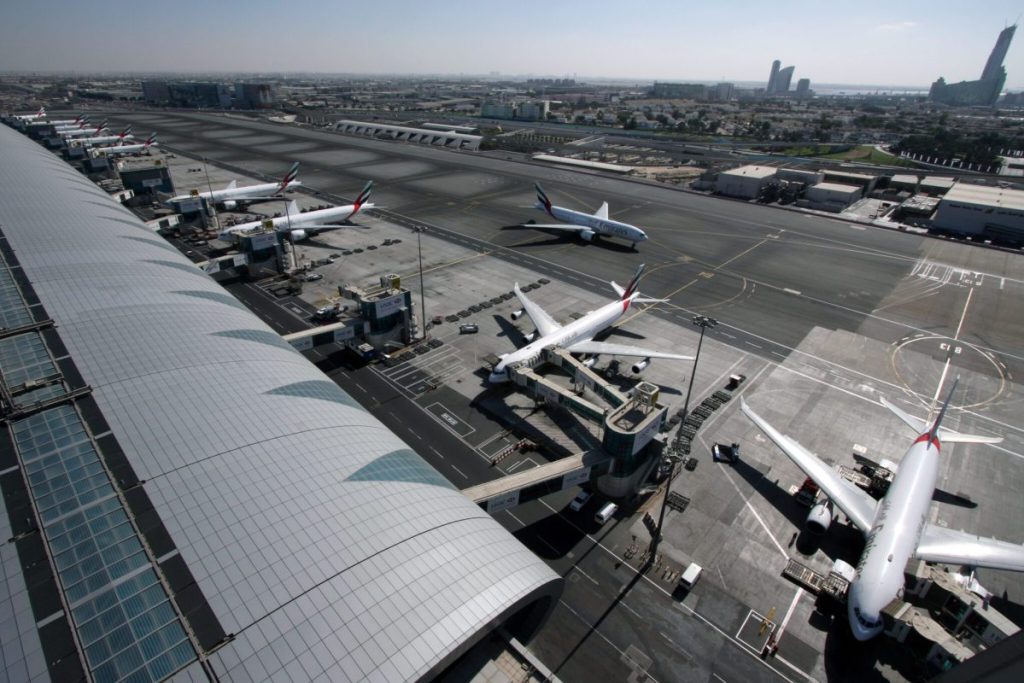
Photo Credit: Dubai DXB Airport Dubai Airports / Dubai Airports
Comprehensive Summarization:
The article discusses the impact of the Iran war on the Middle East’s aviation insurance market. While some insurers are reassessing risk exposures and policy wordings, the major aviation hubs in the UAE, Saudi Arabia, and Qatar remain relatively insulated from conflict compared to historical global hotspots. Aviation operators typically purchase two types of coverage: hull war risk insurance for damage to ships or aircraft from war, terrorism, political violence, strikes, and civil unrest, and other types of coverage. The article also touches on the latest travel trends and insights from thought leaders, highlighting the importance of understanding market conditions, technological advancements, and industry-specific nuances in the travel industry.
Key Points:
Actionable Takeaways:
Risk Assessment and Policy Review: Insurers should reassess their risk exposures and policy wordings in light of the Iran war. This proactive approach can help mitigate potential losses and ensure coverage aligns with current risk landscapes.
Diversification of Coverage: Given the potential for conflict in various regions, aviation operators should consider diversifying their coverage to include additional types of insurance beyond hull war risk. This can provide a more comprehensive safety net against unforeseen events.
Stay Informed on Market Conditions: The travel industry must remain vigilant and informed about geopolitical developments and their potential impact on insurance markets. Continuous monitoring and adaptation of strategies can help mitigate risks and ensure business continuity.
Contextual Insights:
The article’s focus on the aviation insurance market in the Middle East, particularly in relation to the Iran war, underscores the importance of understanding regional geopolitics in the travel industry. The relative insulation of major hubs like the UAE, Saudi Arabia, and Qatar from conflict, compared to historical global hotspots, highlights a current trend of regional stability that can be leveraged by insurers and operators alike. This stability, however, should not lull stakeholders into complacency. The ongoing need for diversification of coverage and continuous monitoring of market conditions is crucial, especially as geopolitical tensions can evolve rapidly. Furthermore, the integration of technological advancements in risk assessment and policy management can enhance the resilience of the aviation insurance market. As the industry continues to evolve, thought leaders emphasize the importance of staying ahead of emerging trends and adapting strategies to maintain a competitive edge.
Read the Complete Article.
Boutique Travel VC raises investment cap from $1.5M to $10M to lead rounds and support portfolio companies through growth Travel...
Read moreDetails




