



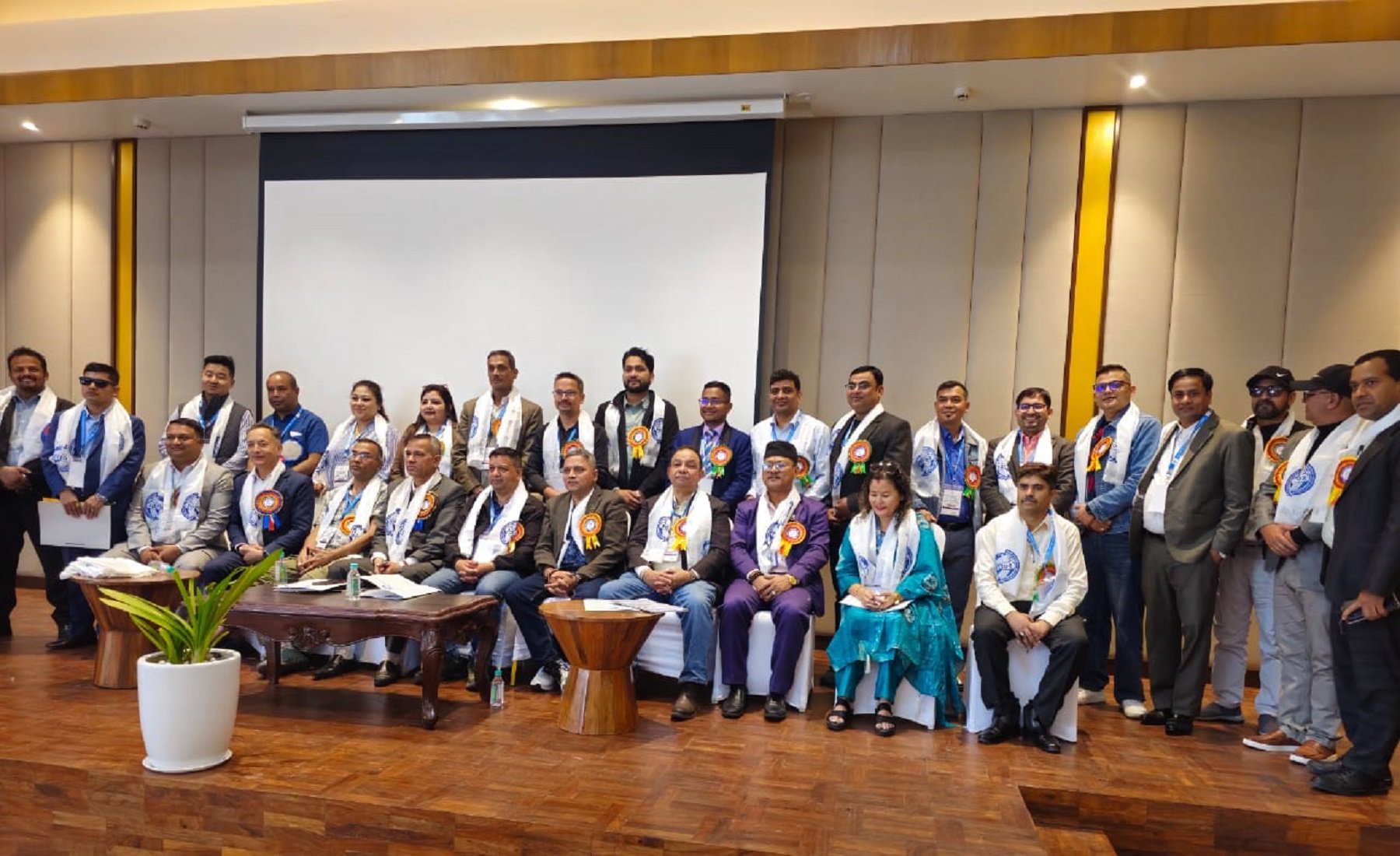



















Travel Capitalist Ventures Expands Check Size to $10 Million to Deepen Emerging Market Conviction
Boutique Travel VC raises investment cap from $1.5M to $10M to lead rounds and support portfolio companies through growth Travel...
Read moreDetails


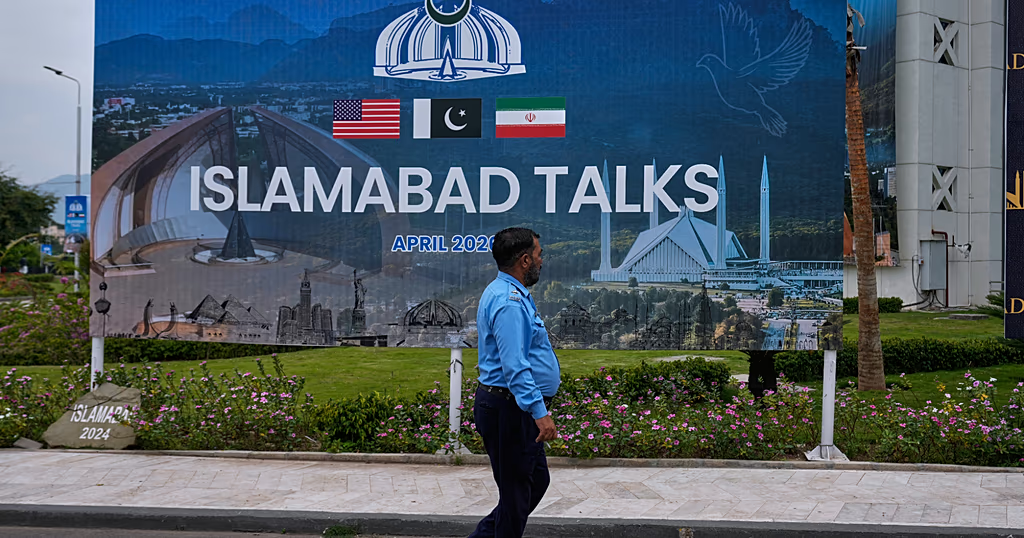
War in Middle East triggers volatile security perception and early signs of demand diversion - WiT
Comprehensive Summarization:
The article discusses the impact of the escalating conflict in the Middle East on travel security perception and demand diversion. Mabrian, a part of Almawave – Almaviva Group, has analyzed the changes in travel security perception across Gulf destinations, revealing sharp drops in perception that have prompted early signs of demand diversion among European and US travelers. These travelers are increasingly opting for closer-to-home and long-haul alternatives. The analysis highlights that US travelers are particularly sensitive to security concerns, while neighboring destinations such as Egypt, Türkiye, and Jordan are experiencing spillover effects on traveler confidence. The article underscores the sensitivity of the travel industry to geopolitical events and the subsequent shifts in consumer behavior.
Key Points:
Actionable Takeaways:
Shift in Traveler Preferences: The article suggests a notable shift in traveler preferences towards closer-to-home and long-haul alternatives due to heightened security concerns in the Middle East. This trend indicates a potential opportunity for travel providers to innovate and cater to these changing preferences, possibly by enhancing security measures or offering competitive pricing on alternative routes.
Impact on Neighboring Destinations: The spillover effects on traveler confidence in neighboring destinations like Egypt, Türkiye, and Jordan suggest that the conflict’s impact extends beyond the immediate region. Travel providers in these areas may need to implement targeted marketing strategies to reassure potential travelers and maintain demand.
Contextual Insights:
The article’s context is deeply rooted in the current geopolitical climate, where conflicts can rapidly alter travel dynamics. The sensitivity of US travelers to security concerns underscores the importance of security perception in shaping travel decisions. This aligns with broader industry trends where technology plays a crucial role in enhancing security measures and providing real-time updates to travelers. Furthermore, the article highlights the interconnectedness of global travel markets, where events in one region can have ripple effects on others. This interconnectedness emphasizes the need for travel companies to adopt a holistic approach to risk management and market diversification.
Handling Different Article Types:
The article falls under the category of a news brief, providing concise factual information about the impact of geopolitical events on the travel industry. The structured output format ensures that the key points and actionable takeaways are clearly delineated, making it easy for readers to digest and act upon the information. The contextual insights further enrich the content by linking the article to broader industry trends and expert opinions, offering a forward-looking perspective on the evolving travel landscape.
Read the Complete Article.
Boutique Travel VC raises investment cap from $1.5M to $10M to lead rounds and support portfolio companies through growth Travel...
Read moreDetails




