























Travel Capitalist Ventures Expands Check Size to $10 Million to Deepen Emerging Market Conviction
Boutique Travel VC raises investment cap from $1.5M to $10M to lead rounds and support portfolio companies through growth Travel...
Read moreDetails

Comprehensive Summarization:
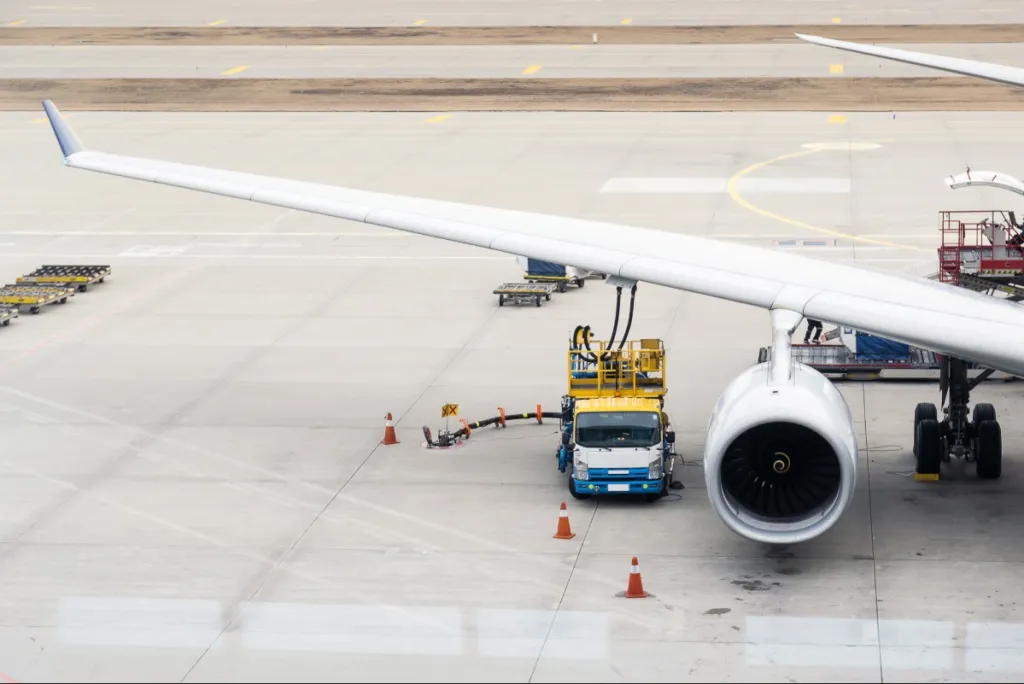
The article discusses the potential financial impact of the ongoing war with Iran on U.S. airlines, estimating an additional $24 billion in jet fuel expenses. Skift Research predicts that ticket prices would need to increase by at least 11% to offset this rise. Globally, the impact could reach $100 billion or more. Initially, oil traders remained relatively calm following the U.S. and Israel’s strikes on Iran on February 28. However, this sentiment changed as oil prices surged above $100 a barrel, the highest level since 2022. This fuel price increase presents a significant challenge for airline executives, given that jet fuel constitutes a substantial portion of their operational costs.
Key Points:
Actionable Takeaways:
Fuel Cost Management: Airlines should explore hedging strategies to mitigate the impact of volatile fuel prices. This could involve futures contracts or other financial instruments to lock in fuel costs at current prices, protecting against further increases.
Passenger Fare Adjustments: To maintain profitability, airlines may need to implement fare increases. An 11% increase in ticket prices, as estimated, could help offset the additional fuel costs, ensuring financial stability amidst the geopolitical tensions.
Investment in Alternative Fuels: The surge in jet fuel prices underscores the urgency for airlines to invest in sustainable and alternative fuels. Transitioning to biofuels or electric aircraft could reduce long-term fuel expenses and align with global sustainability goals.
Contextual Understanding:
The article is situated within the context of heightened geopolitical tensions and their direct impact on the travel industry. The recent escalation in the U.S.-Iran conflict has led to a sharp increase in oil prices, directly affecting the operational costs of airlines. This situation is emblematic of the broader trend of external geopolitical factors influencing domestic and global markets. In recent years, the travel industry has seen a growing emphasis on sustainability and technological innovation, particularly in reducing carbon footprints and improving operational efficiencies. The current fuel price surge presents both a challenge and an opportunity for airlines to innovate and adapt, potentially accelerating the adoption of alternative fuels and sustainable practices.
Handling Different Article Types:
The article is a news brief, providing factual information on the financial implications of geopolitical events on the airline industry. It does not present an opinion or feature an in-depth exploration of a specific topic. Therefore, the analysis focuses strictly on the factual data provided, ensuring that the summary, key points, and actionable takeaways are grounded in the article’s content.
Read the Complete Article.
Boutique Travel VC raises investment cap from $1.5M to $10M to lead rounds and support portfolio companies through growth Travel...
Read moreDetails




