























Travel Capitalist Ventures Expands Check Size to $10 Million to Deepen Emerging Market Conviction
Boutique Travel VC raises investment cap from $1.5M to $10M to lead rounds and support portfolio companies through growth Travel...
Read moreDetails

The Lessons Travel Buried After Covid Are Resurfacing in the Middle East
Comprehensive Summarization:
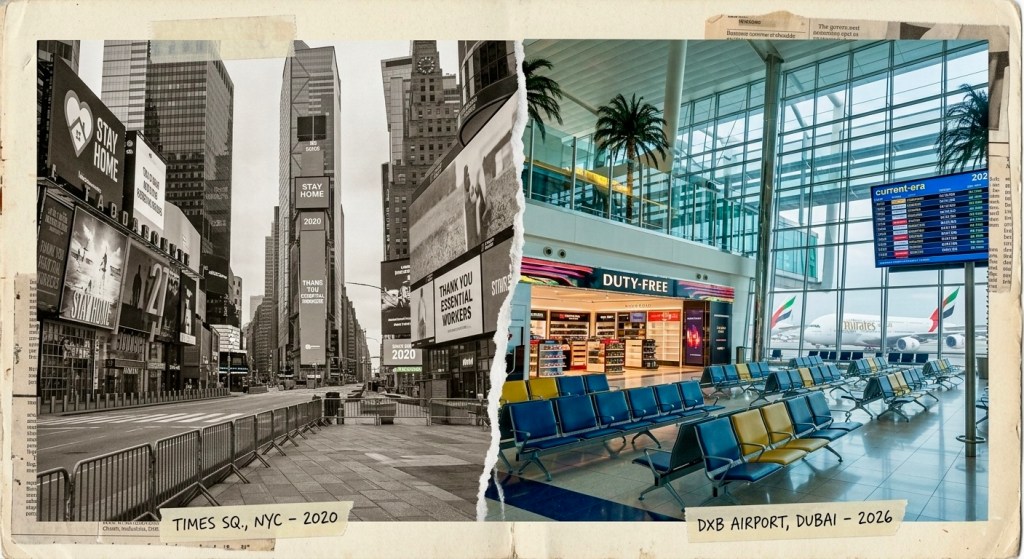
The article discusses a significant disruption in the Middle East airspace, which connects two-thirds of the world’s population. Due to unforeseen circumstances, over 49,000 out of 92,000 scheduled flights were canceled, leading to Dubai International Airport operating at a fraction of its capacity. This situation resulted in hundreds of thousands of people being stranded in various locations, including Bali, Kuala Lumpur, and Atlanta. The article also highlights the common response from airlines and online travel agencies (OTAs) to such disruptions, which is to inform customers that they should only contact them if they are traveling within the next 48 hours. This scenario echoes the disruptions seen in March 2020, indicating a recurrence of similar challenges in the travel industry.
Key Points:
Actionable Takeaways:
Implement Real-Time Communication Systems: Airlines and OTAs should enhance their communication systems to promptly inform customers about cancellations and rescheduling. This proactive approach can mitigate customer dissatisfaction and improve trust in the brand.
Develop Contingency Plans for Large-Scale Disruptions: Travel companies should prepare comprehensive contingency plans for large-scale disruptions. This includes having backup flight schedules, alternative transportation options, and clear communication protocols to manage stranded passengers effectively.
Invest in Technology for Rescheduling and Refunds: The article highlights the need for efficient systems to handle rescheduling and refunds. Investing in technology that streamlines these processes can enhance operational efficiency and customer satisfaction during unforeseen disruptions.
Contextual Insights:
The article reflects the ongoing challenges faced by the travel industry, particularly in managing large-scale disruptions that can affect millions of travelers. The recurrence of such disruptions, reminiscent of the COVID-19 pandemic, highlights the need for the industry to adapt and innovate. The focus on real-time communication and contingency planning is crucial in today’s fast-paced travel environment. Furthermore, the article underscores the importance of leveraging technology to enhance operational resilience and customer service. As the travel industry continues to evolve, staying ahead of emerging trends and technological advancements will be key to navigating future disruptions successfully.
Read the Complete Article.
Boutique Travel VC raises investment cap from $1.5M to $10M to lead rounds and support portfolio companies through growth Travel...
Read moreDetails



Comprehensive Summarization: Keturah Resort, currently under development in Dubai, is poised to enhance the UAE’s reputation as a wellness destination....
Read moreDetails
