




No products in the cart.
- Latest
- Trending


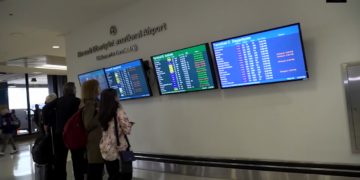
Photo Credit: Changi Airport is the main international airport of Singapore Medina Loh
Comprehensive Summarization:
Singapore has postponed its plans to introduce the world’s first air passenger levy aimed at funding decarbonization and compelling airlines to adopt cleaner fuel. Initially scheduled to apply to flights booked in April and departing in August, the levy will now only affect tickets sold from October 1, 2025, for flights departing from January 1, 2027. Additionally, Singapore has delayed its requirement for airlines to use at least 1% sustainable aviation fuel (SAF), shifting the mandate from 2026 to an unspecified future date. These changes were announced in a statement by the Civil Aviation Authority of Singapore (CAAS), reflecting a shift in the timeline for implementing these environmental and sustainability measures in the aviation sector.
Key Points:
Actionable Takeaways:
Delayed Implementation of Environmental Policies: The postponement of the air passenger levy and SAF mandate indicates a potential shift in Singapore’s approach to environmental sustainability in the aviation sector. Airlines may need to reassess their strategies for achieving carbon-neutral goals, possibly focusing on other innovative solutions or partnerships to meet decarbonization targets.
Need for Flexible Regulatory Frameworks: The delay suggests a need for more flexible regulatory frameworks in the aviation industry. Stakeholders, including airlines, airports, and policymakers, should consider adopting adaptable policies that can respond to technological advancements and market conditions, ensuring the industry remains competitive while meeting sustainability goals.
Contextual Insights:
The delay in implementing Singapore’s air passenger levy and SAF mandate reflects broader trends in the global aviation industry towards sustainability. As environmental concerns become increasingly central to corporate strategies, airlines are exploring various avenues to reduce their carbon footprint, including investing in sustainable aviation fuel (SAF), improving fuel efficiency, and adopting electric or hybrid aircraft. This shift is also driven by regulatory pressures and consumer demand for more sustainable travel options. For travel startups and fintech innovators, this context presents opportunities to develop solutions that support airlines in meeting these evolving sustainability standards, such as financing green technologies or creating platforms that facilitate the adoption of SAF. The industry’s move towards more sustainable practices underscores the importance of adaptability and innovation in maintaining competitiveness and meeting future regulatory requirements.
Read the Complete Article.
Get curated travel AI insights — choose the newsletters that matter to you.
This spot is reserved for brands with a compelling story for the travel trade. They use this space to cut...
Read moreDetailsALTOUR Expands into Thailand, Strengthening Corporate Travel Network Across Southeast Asia BANGKOK, THAILAND (25 March, 2026) – ALTOUR, a leading...
Read moreDetails


Comprehensive Summarization: Singapore has postponed its plans to introduce the world’s first air passenger levy aimed at funding decarbonization and...
Read moreDetails