








No products in the cart.
- Latest
- Trending


Southeast Asia Tourism Crisis Intensifies: How Changing Travel Trends and Regional Journeys Are Rede...
Comprehensive Summarization:
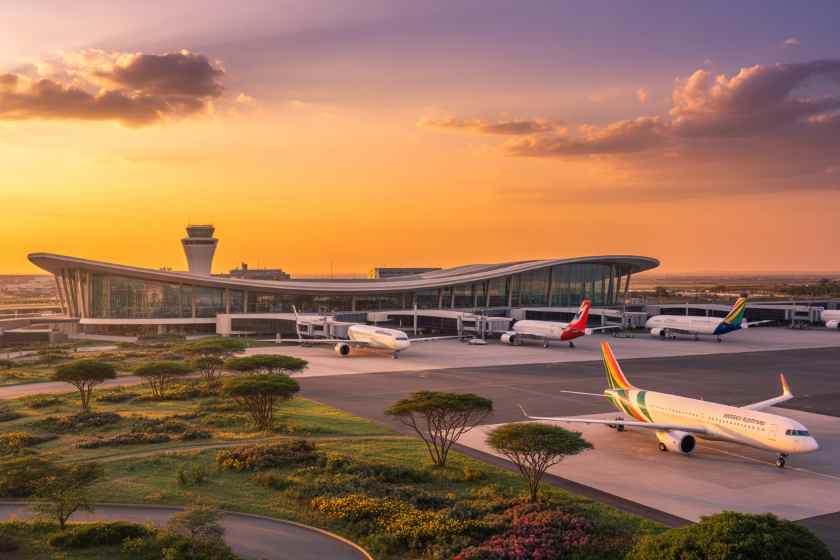
The article titled “Southeast Asia Tourism Crisis Intensifies: How Changing Travel Trends and Regional Journeys Are Redefining the Future of ASEAN Tourism” published on March 27, 2026, discusses the intensifying tourism crisis in Southeast Asia. The crisis is driven by shifting travel patterns, with many long-haul travelers delaying or canceling trips due to global uncertainty. This has led to a reduction in visitor numbers in several popular destinations, putting pressure on countries heavily reliant on tourism. Hotels, airlines, and tour operators are quickly adjusting to these changes. The article suggests that the crisis is not just a short-term issue but is also influencing how people think about travel in the region. The image accompanying the article, generated with AI, depicts Southeast Asia’s tourism surge, highlighting the region’s resilience and potential for recovery.
Key Points:
Actionable Takeaways:
Diversify Travel Offerings: Travel businesses should diversify their offerings to cater to changing traveler preferences and reduce dependency on traditional long-haul markets. This could involve promoting domestic tourism, niche travel experiences, or off-the-beaten-path destinations within Southeast Asia.
Invest in Digital Transformation: Given the rapid shift in travel patterns, investing in digital transformation is crucial. This includes enhancing online booking platforms, improving customer engagement through personalized experiences, and leveraging data analytics for better market insights.
Contextual Understanding:
The article reflects the current state of the travel industry, particularly in Southeast Asia, where travel trends are rapidly evolving due to global uncertainties. The crisis highlights the vulnerability of tourism-dependent economies and the need for adaptive strategies. The shift towards cautious travel behavior underscores the importance of flexibility and innovation in travel planning. Expert opinions and recent developments in travel tech and fintech are likely to play a significant role in shaping the future of ASEAN tourism, emphasizing the need for businesses to stay ahead of these trends.
Handling Different Article Types:
The article is a news blurb, providing factual information on the current state of Southeast Asia’s tourism crisis. The analysis focuses on key developments, actionable insights, and contextual understanding relevant to the professional audience of travel industry stakeholders. The structured output format ensures clarity and ease of integration into professional materials, such as reports or presentations.
Read the Complete Article.
Get curated travel AI insights — choose the newsletters that matter to you.
This spot is reserved for brands with a compelling story for the travel trade. They use this space to cut...
Read moreDetailsALTOUR Expands into Thailand, Strengthening Corporate Travel Network Across Southeast Asia BANGKOK, THAILAND (25 March, 2026) – ALTOUR, a leading...
Read moreDetails


Comprehensive Summarization: The article discusses a joint letter signed by 18 Turkish and international organizations, including the International Press Institute,...
Read moreDetails