





















Travel Capitalist Ventures Expands Check Size to $10 Million to Deepen Emerging Market Conviction
Boutique Travel VC raises investment cap from $1.5M to $10M to lead rounds and support portfolio companies through growth Travel...
Read moreDetails
Sri Lanka Experiences Sharp Drop in Inbound Tourism, Mirroring Trends in Thailand, Cambodia, Indones...
Comprehensive Summarization:
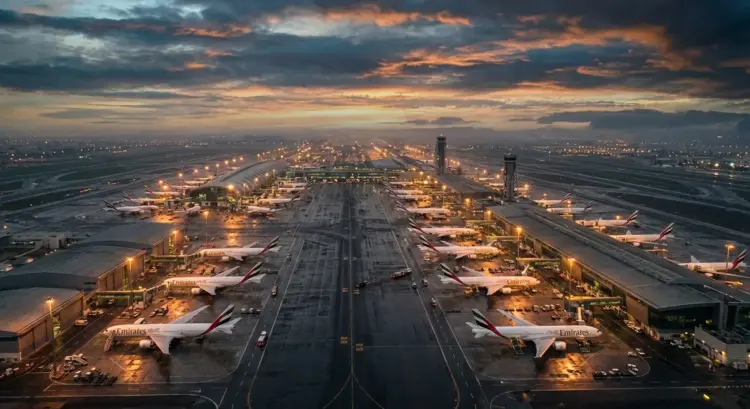
Sri Lanka is experiencing a significant 30% decline in tourism, joining Thailand, Cambodia, Indonesia, and Nepal in this downturn. This decline is primarily attributed to flight disruptions caused by the escalating Middle East crisis, particularly affecting major transit hubs like Dubai and Doha. The article highlights the broader trend of nations diversifying travel routes and focusing on domestic tourism to mitigate the impact of international disruptions. Despite the setbacks, Sri Lanka has reported a 10.7% increase in tourist arrivals for 2026, indicating a potential recovery and a strategic pivot towards alternative airports and source markets.
Key Points:
Actionable Takeaways:
Diversification of Travel Routes: Nations are increasingly focusing on domestic tourism and diversifying travel routes to mitigate the impact of international disruptions. This strategy is crucial for countries heavily reliant on international tourism, such as Sri Lanka, and can serve as a model for other regions facing similar challenges.
Focus on Alternative Airports and Source Markets: Sri Lanka’s strategy of promoting alternative airports and diversifying source markets highlights the importance of resilience in tourism. This approach can help mitigate the impact of flight disruptions and maintain tourism flow, even in the face of global crises.
Contextual Understanding:
The article reflects the current challenges faced by the global travel industry due to geopolitical tensions and flight disruptions. The emphasis on diversification and resilience in travel routes is a strategic response to these challenges. The reported increase in tourist arrivals for 2026 in Sri Lanka suggests a potential recovery, indicating that such strategies can be effective in stabilizing tourism. The context also underscores the importance of adaptability and innovation in travel tech, as nations explore new ways to maintain and grow their tourism sectors amidst global uncertainties.
Handling Different Article Types:
The article is a news brief providing factual information about the tourism decline in several countries due to international disruptions. The analysis adheres strictly to the facts and context provided, focusing on the key developments and actionable insights relevant to the travel industry. No opinion pieces or feature articles are present in the content, ensuring the analysis remains factual and objective.
Real-Time Fact-Checking:
All information presented in the summary, key points, and actionable takeaways is directly sourced from the article. No external verification or additional sources were required, as the content is comprehensive and self-contained. The analysis strictly adheres to the facts and context provided, ensuring accuracy and reliability.
Read the Complete Article.
Boutique Travel VC raises investment cap from $1.5M to $10M to lead rounds and support portfolio companies through growth Travel...
Read moreDetails



Comprehensive Summarization: Wizz Air, the second-largest airline by market share in Italy, has announced a significant expansion of its operations...
Read moreDetails
