





















Travel Capitalist Ventures Expands Check Size to $10 Million to Deepen Emerging Market Conviction
Boutique Travel VC raises investment cap from $1.5M to $10M to lead rounds and support portfolio companies through growth Travel...
Read moreDetails

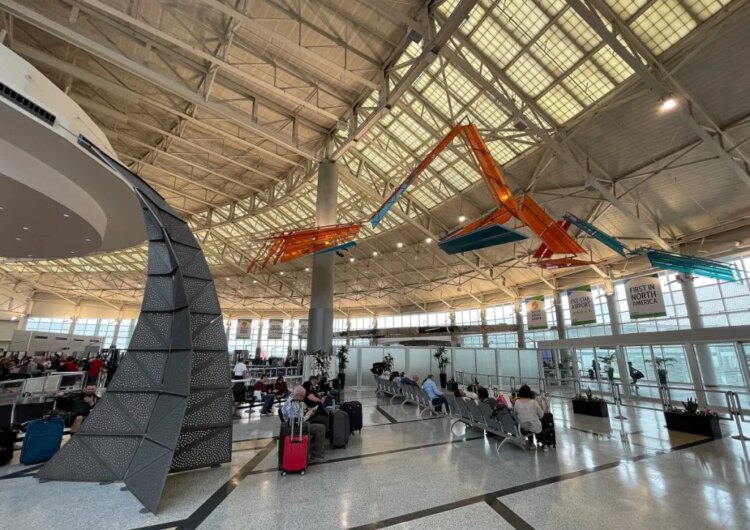
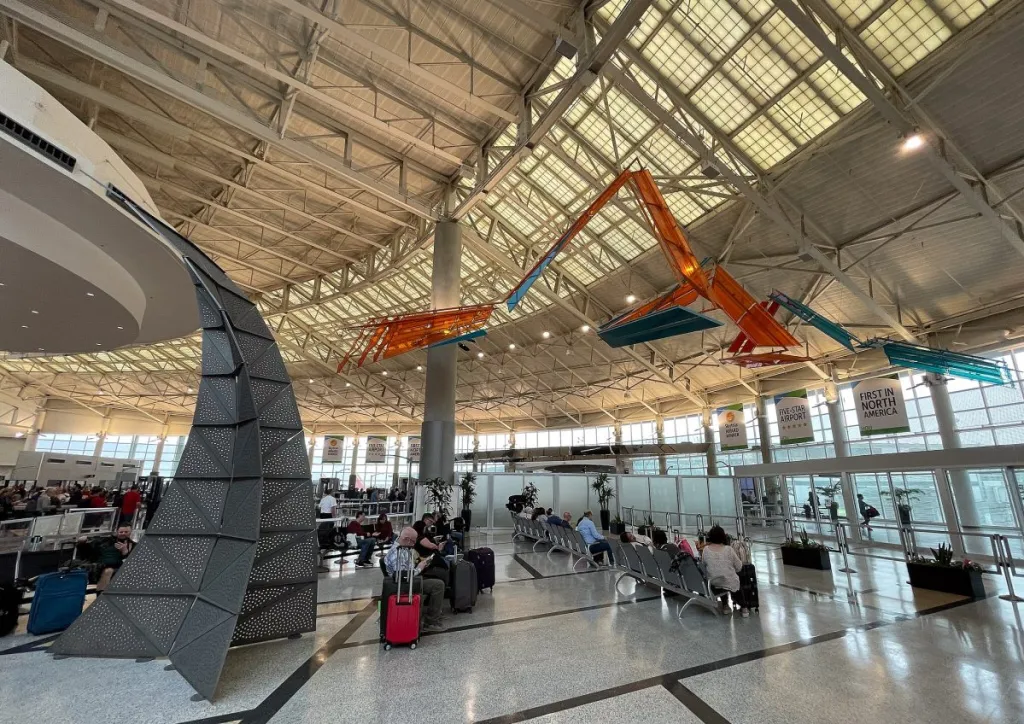
Photo Credit: Houston's William P. Hobby Airport. The airport advised travelers to arrive at least four hours before departure to accommodate long security lines caused by TSA staffing shortages. Kenneth C. Zirkel / Wikimedia Commons
Comprehensive Summarization:
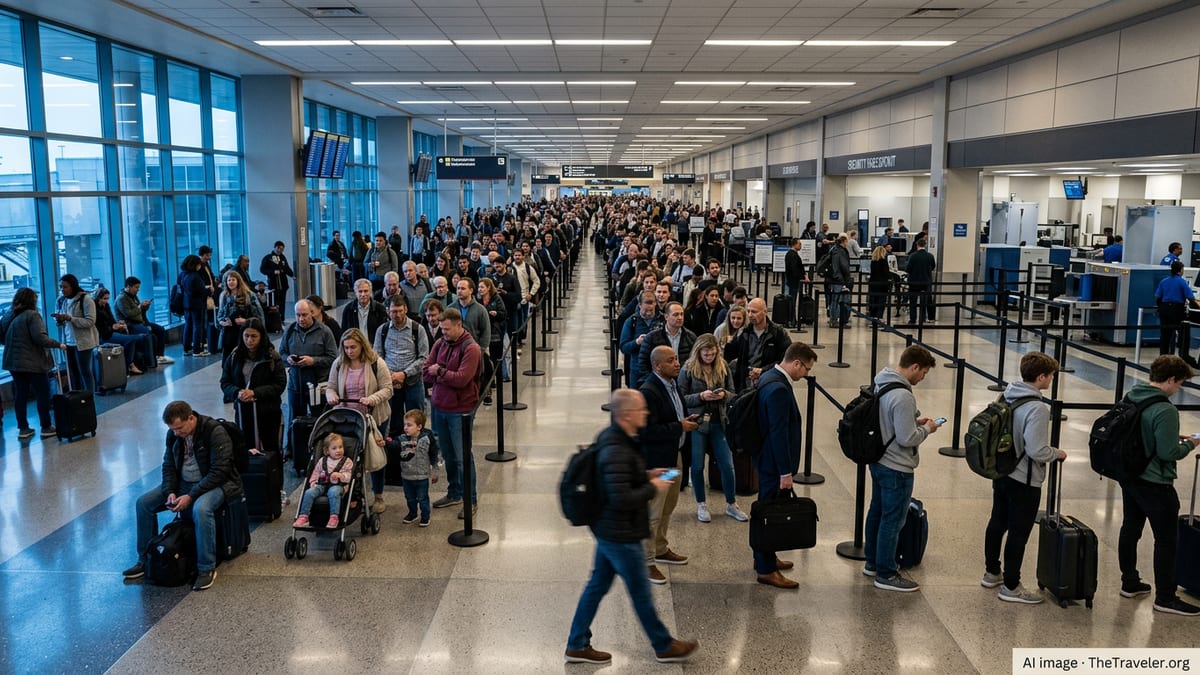
The article discusses the impact of acute staffing shortages among TSA agents on security screening wait times at U.S. airports, particularly exacerbated by a partial government shutdown nearing its one-month mark. Houston’s William P. Hobby Airport has advised travelers to arrive at least four hours before their scheduled departure to navigate the lengthy wait times, which have reached up to three hours. New Orleans’ Louis Armstrong International Airport is also experiencing significant delays, with lines for security screening becoming a notable issue. The article highlights the broader challenges faced by the travel industry in managing staffing shortages and the resulting disruptions in service quality.
Key Points:
Actionable Takeaways:
Traveler Advisory: Travelers should plan for longer security wait times by arriving at airports significantly earlier than usual. This proactive measure can help mitigate the impact of staffing shortages on their travel experience.
Industry Preparedness: The travel industry must prioritize staffing strategies to address shortages, potentially exploring temporary staffing solutions or partnerships with private security firms to maintain service efficiency during crises.
Operational Adjustments: Airports should consider implementing dynamic scheduling or additional staffing during peak periods to manage wait times effectively, ensuring a smoother travel experience for passengers.
Contextual Insights:
The staffing shortages at TSA agents are a critical issue within the broader context of the travel industry’s resilience during economic and operational challenges. The partial government shutdown has further compounded these issues, highlighting the vulnerability of critical infrastructure in the face of governmental disruptions. This situation underscores the need for the industry to develop robust contingency plans that can adapt to unforeseen staffing challenges. Furthermore, the focus on traveler advisories reflects a growing trend in the industry to enhance customer communication and manage expectations proactively during periods of service disruption. As the travel sector continues to evolve, innovations in staffing solutions and operational flexibility will be crucial in maintaining service quality and passenger satisfaction.
Read the Complete Article.
Boutique Travel VC raises investment cap from $1.5M to $10M to lead rounds and support portfolio companies through growth Travel...
Read moreDetails




